
Fill in the form below with your contact details and a short note, and we will prepare a quote for Air Duct Cleaning Port Moody
There may be nothing wrong at all. You might simply have noticed more dust than usual, or a smell the first time the system started this season, and wondered what lives inside the ducts. Typing “air duct cleaning” is a reasonable way to start finding out. This page picks up from there with duct cleaning for homes around Port Moody, including how to tell an ordinary dusty system from one that needs work.

From our side, it is a two-part job: we put the duct system under strong suction, then knock the debris loose so the suction can carry it away. The suction comes from a large collection unit connected near the furnace or air handler. The agitation happens at each opening, using rotating brushes, air whips or compressed-air nozzles worked down the branch toward the trunk. Grilles and registers come off and get cleaned separately. Before starting, we look at the duct material, because flexible duct and lined ducts need gentler tools than bare sheet metal. Finally we seal our access openings and switch the system back on.
Moisture is almost always behind it, so when a homeowner tells us the vents smell musty, we follow the water. The usual suspects sit near the air handler: a clogged condensate line, standing water in the drain pan or a coil that stays wet. After that we check ducts running through unconditioned spaces, where warm humid air meets cold metal and condensation forms. Cleaning can clear damp dust and debris, but it will not keep a smell from returning if water keeps getting in. Sometimes the real fix is a drain line repair or better insulation on a duct rather than more cleaning.
A small camera on a flexible cable lets a technician see sections that are out of reach from the registers. It shows how thick the buildup is, whether debris sits at the bends, and whether anything is wrong with the duct itself, such as a crushed flex run, a joint that has separated or signs of pests. Many companies record a few clips before and after the work. If you are weighing up “air duct cleaning” and are unsure it is needed, ask whether a camera look can come first. The footage often settles the question better than any sales pitch.
We often cut one and always close it again, because a neat access port is the cleanest way to connect the collection hose to the trunk line close to the furnace, where suction is strongest. We size the hole to our fittings, cut it in sheet metal only and close it at the end with a screwed metal cover and foil tape or a gasketed plug, so the duct stays airtight. On flexible duct we avoid cutting and work from the existing connections instead. A poorly sealed port leaks air into a basement or attic, so if you spot one left by someone else, point it out and it can be resealed.
Plan on roughly half a day. Time depends mostly on the number of openings, since each register is its own small job, and on access to the equipment: a basement furnace with room around it is quick to set up, while an attic air handler reached through a closet hatch takes longer. Heavily soiled ducts need repeat passes. We also budget time at the end to reinstall covers, seal access ports, run the system and walk you through what we found. Rushing those final steps is where quality slips, so we leave room for them.

Usually not by much on its own, and a company that promises big savings is overselling. Dust on the inside walls of a duct has little effect on how air moves. What can matter is buildup in the spots that restrict airflow, such as a caked blower wheel, a clogged coil or a branch blocked by debris, and clearing those helps the system run closer to how it was designed. Bigger gains usually come from sealing leaky ducts in attics and crawlspaces, keeping filters fresh and having the equipment serviced. Count any energy benefit from duct cleaning as a bonus.
We ask for a responsible adult on site for the whole visit, for practical reasons. We move through every room, open equipment and run hoses through doorways, and questions come up: a locked room, a register under a bookcase, a damper someone set years ago. Having you nearby means quick answers and no guesswork. The final walkthrough matters most, because that is when we show you the condition before and after and anything we noticed, such as a crushed duct or a loose connection. For rental homes, landlords and tenants should agree in advance on who will be there.
Expect a system that is closed up, running and explained before we leave. Every cover is back on and secure, access ports are sealed, the blower door is latched and the system runs through a full cycle. We hold a hand to a few registers to confirm airflow, then show you photos or a camera view of the ducts before and after. If we came across anything outside the cleaning itself, like a disconnected branch in the attic or a crushed run under the floor, we point it out and explain the options. You should never have to wonder what was done.
The right duct cleaner explains how it will clean your system and prices the job from your own home, not a flat flyer rate. A good one asks about the size of the house, the number of systems and vents and where the equipment sits, then tells you exactly what the price includes. It should clean both supply and return sides, use strong suction, show you before-and-after results and seal any access openings. Read recent reviews for comments about punctuality, tidiness and straight advice. Be cautious with companies that make big promises about your family’s health, push add-ons before inspecting or will not put the scope in writing.

Older homes often hide earlier repairs, odd layouts and materials that need a careful approach. Our technicians take the time to see how earlier work on your air ducts was done before recommending anything. Call (778) 719-4866 to talk about your home.
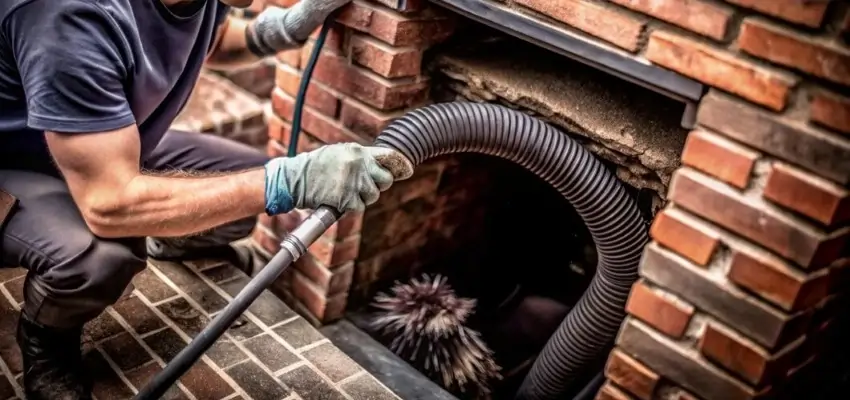
Clearer draft, cleaner flue: Chimney Cleaning for Port Moody homes

Due for Chimney Sweep service? Book ahead in Port Moody
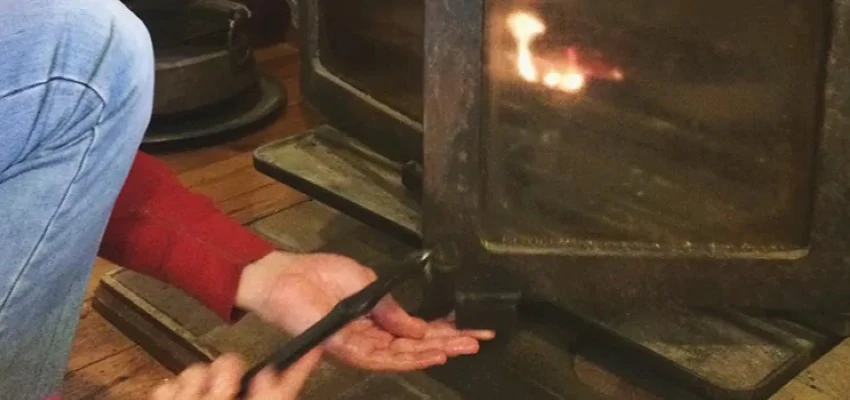
Complete Chimney Sweep Services for Port Moody homeowners
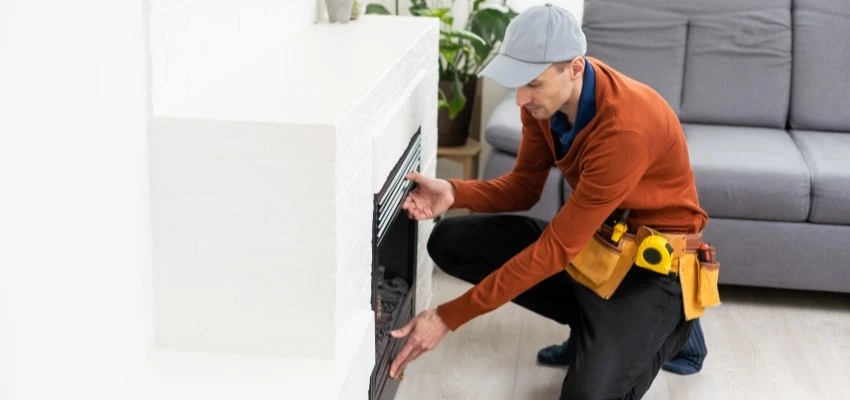
Smoke backing into the room? Call Fireplace Experts in Port Moody
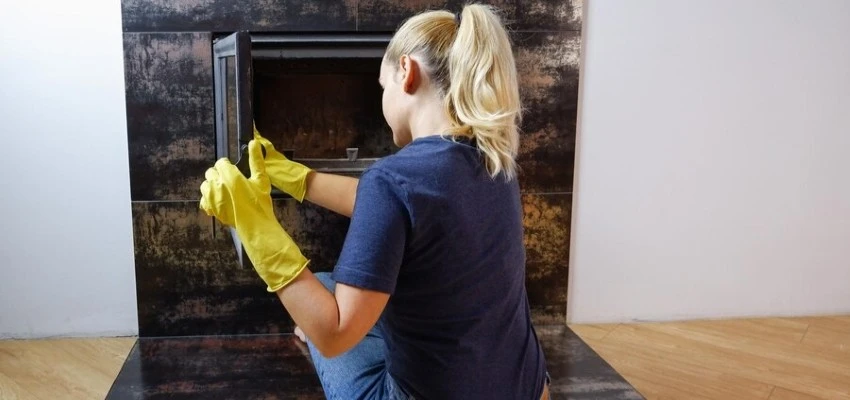
Control area vacuumed during Gas Fireplace Cleaning
A record of every Gas Fireplace Maintenance visit

