
Fill in the form below with your contact details and a short note, and we will prepare a quote for Chimney Air Vent Services Port Moody
Buying a home, getting ready to sell or simply planning the year’s upkeep can all bring the chimney into focus. An inspection report might mention it, or a neighbor might point out something odd on the roof. People in Port Moody who search for “chimney air vent services” at moments like these want straight facts, and that is what this page offers: a calm, practical look at chimney air vent service, what it involves and how to plan for it sensibly.

A chimney air vent is any opening or pipe that moves air to or from the fireplace system, and in practice we see two kinds. Fresh-air inlets for fireplaces and stoves often have a small flap that sticks, a screen clogged with debris or a duct crushed during a renovation. Appliance vent connectors, the pipes running from a furnace or water heater into the chimney, can rust, sag or separate at a joint. We check both for a clear path and a tight fit. Anything involving a gas appliance stays with a qualified gas technician, and a smell of gas means leaving the house and calling the utility from outside.
Smoke rolls into the room when the chimney’s pull is weaker than the forces pushing air back down, and our job is finding out which side of that balance is off. On the chimney side, we look for blockages, a flue sized wrong for the opening, a stack that ends below a nearby roof peak and missing or clogged air supply vents. On the house side, kitchen and bathroom exhaust fans, a running clothes dryer and an airtight modern envelope can all create negative pressure. Sometimes the cure is a fresh-air vent, sometimes a chimney fan, and occasionally just cleaning a clogged cap.
Treat it as real: get everyone, pets included, out of the house and call 911 or the fire department from outside. Do not stay behind to open windows or hunt for the cause. Once the home has been cleared as safe, the venting needs a proper check before any fuel-burning appliance runs again, since a blocked flue, a loose vent connector or a starved fresh-air inlet can all push exhaust back indoors. People who search for “chimney air vent services” after an alarm should mention it when they call, so the technician starts with the vents, flue and connections serving the appliances closest to that alarm.
Not every repair needs the roof, and when one does, we plan safe access before we arrive. Work at the top of the stack means ladders, roof brackets or harnesses tied to a secure anchor, plus soft-soled footwear and pads to protect shingles. Steep or high roofs may call for extra equipment or a second technician. Wet, icy or very windy weather puts roof work on hold, because no repair is worth a fall. Jobs at the bottom of the chimney, such as an ash dump, a throat damper or a stove connection, keep us indoors, where the main concern is protecting floors and furniture from soot and dust.
A fresh-air vent is checked from both ends. Outside, the technician finds the inlet hood, removes leaves, nests or lint from its screen and makes sure nothing such as a shrub or a stack of firewood blocks it. Inside, the control at the fireplace or stove is opened and closed to confirm the flap moves and seals. The duct between the two is inspected for crushing, gaps or disconnections, which often happen during renovations or when insulation is added. Finally, a small test fire or a smoke check shows whether the air actually reaches the firebox. Expect this on most chimney air vent service visits.

The cost of chimney repair depends mostly on the part being fixed, how much damage there is and how hard the chimney is to reach. A tall chimney on a steep roof needs more equipment and time than a short one on a gentle slope. Materials vary too: stainless steel, copper and custom-sized parts cost more than standard ones, and masonry work depends on how many joints or bricks are involved. Hidden damage found once work begins, such as rotted framing under a chase cover, can add to the total. A written quote that spells out the scope makes comparisons easier.
Preparing for chimney repair mostly means clearing access inside and out. Stop using the fireplace or stove at least a day before so the firebox and flue are cool, and move decorations, screens, tools and furniture away from the hearth. Outside, move vehicles, patio furniture, planters and grills away from the side of the house where ladders will go, and unlock any gates. Let the company know about pets, an alarm system or anything fragile near the chimney. If the job involves the attic or basement, such as tracing a leak or emptying an ash pit, clear a path there too.
After a repair, the main job is to watch for changes and keep water and debris away from the chimney. Follow any instructions about when the fireplace can be used again, since new mortar or crown material may need time to cure. In the first few rains, check the ceiling and walls near the chimney for stains and look in the firebox for water or debris. Keep tree branches trimmed back from the chimney top and the gutters near it clear. Book a yearly inspection so small wear is caught early, and file the paperwork from the repair for future reference.
Pick the company that gives you specifics. One that knows chimneys asks what yours is made of and what burns in it before giving a figure, and it talks about the cause of a problem rather than just the symptom. On site, it should take photos from the roof and inside the flue, lay out the options and let you decide without pressure. Tidy work matters, since soot and mortar dust travel. Ask how follow-up questions are handled once the job is done, and whether the same crew will come back if something needs a second look.

When you call, you speak with people who know the work and can answer practical questions about your chimney. Reach Chimney Sweep Port Moody at (778) 719-4866 and we will help you decide on the next step for your home in Port Moody.
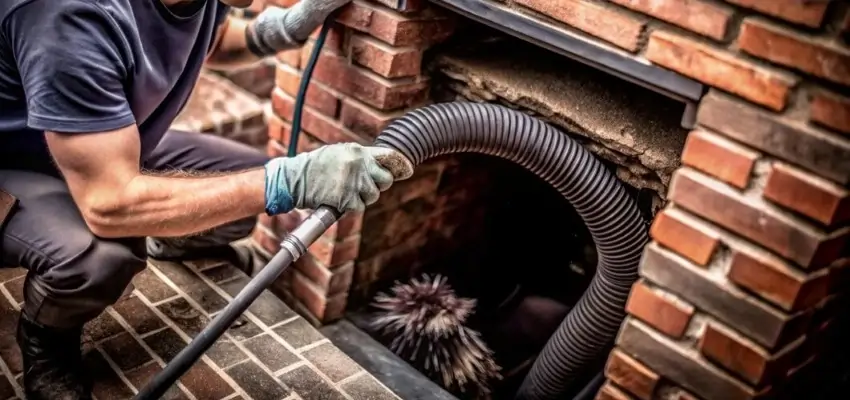
Clearer draft, cleaner flue: Chimney Cleaning for Port Moody homes
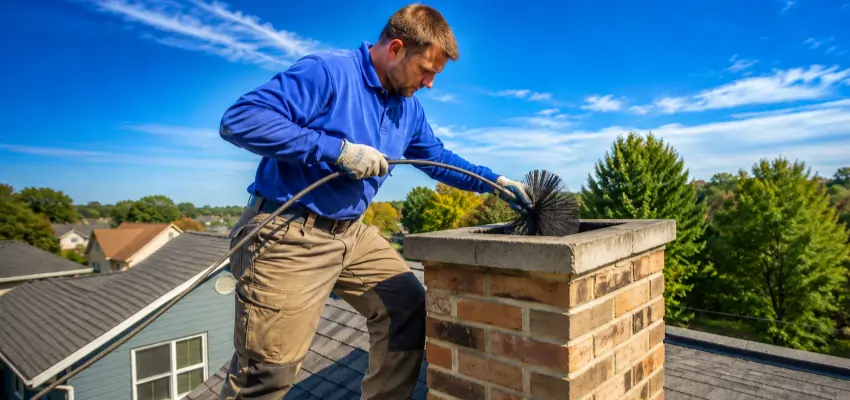
Due for Chimney Sweep service? Book ahead in Port Moody
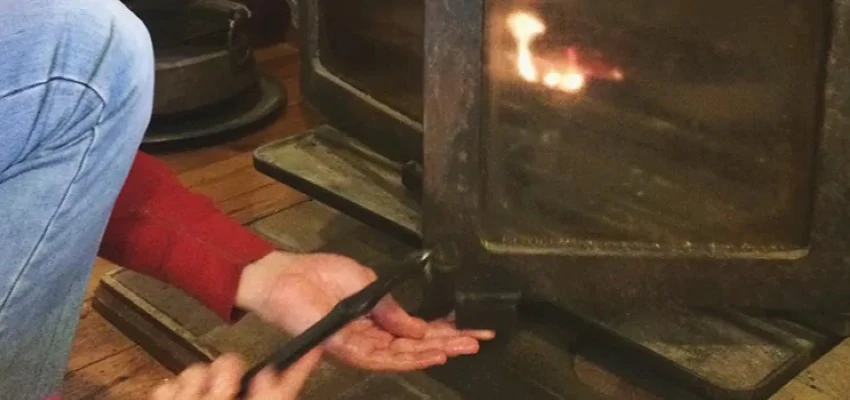
Complete Chimney Sweep Services for Port Moody homeowners
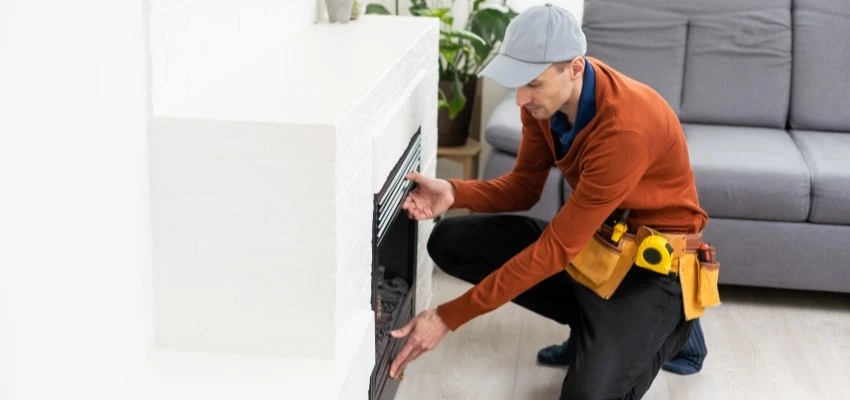
Smoke backing into the room? Call Fireplace Experts in Port Moody
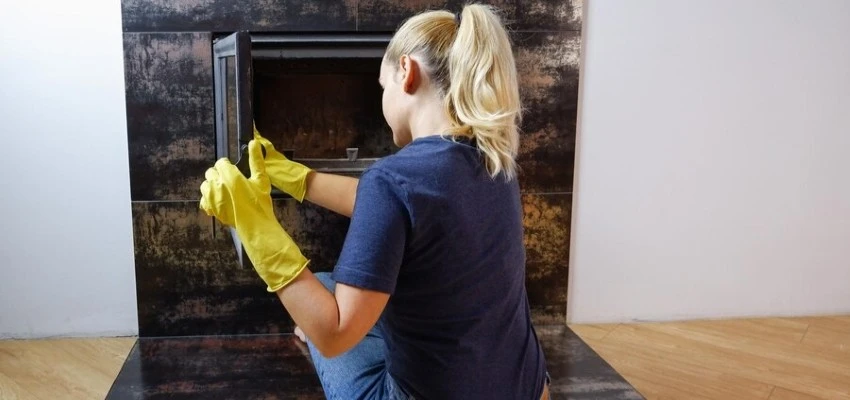
Control area vacuumed during Gas Fireplace Cleaning
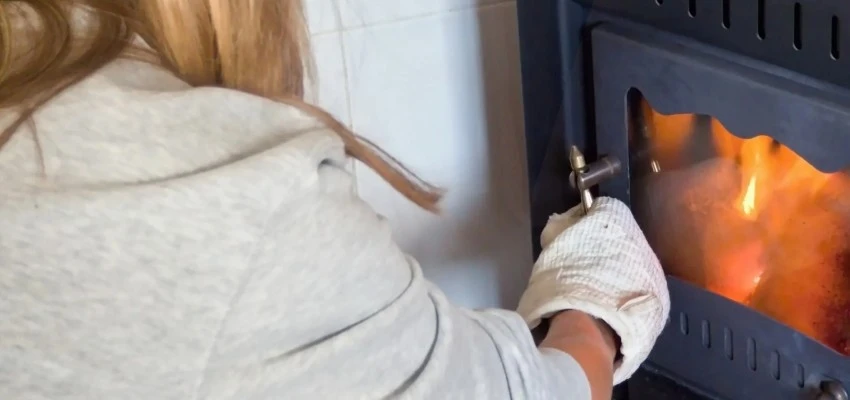
A record of every Gas Fireplace Maintenance visit

