
Fill in the form below with your contact details and a short note, and we will prepare a quote for Chimney Animal Removal Port Moody
Some of the most useful chimney conversations happen after the tools are packed, when the owner finally asks what they have always wondered. This page puts those questions up front. If you searched for “chimney animal removal” in Port Moody, you will find how chimney wildlife removal is usually approached, what differs from one flue to the next and where your own observations can help the technician do a more thorough job.

Birds, squirrels and raccoons account for most chimney visitors, with bats and the occasional opossum showing up now and then. Birds treat an open flue like a hollow tree and build nests on ledges or the smoke shelf. Squirrels often fall in while exploring the roof and cannot climb back up a smooth liner. Raccoons are strong climbers and pick chimneys as dry, quiet dens for raising their young. Each animal needs a different approach, which is why companies that handle “chimney animal removal” usually ask what you hear, when you hear it and where the sound seems to come from.
Creosote is the residue that forms when wood smoke cools on its way up the chimney and its tars, gases and moisture condense on the flue walls, and it is dangerous because it burns easily and very hot. A thick layer can catch from a stray spark or an unusually hot fire, and the resulting chimney fire can crack liners and push heat toward nearby framing. Creosote builds faster with damp wood, smoldering fires and chimneys on cold outside walls. It may look like black flakes, a sticky tar or a hard, shiny glaze. If you see any of these on the damper or around the firebox, book a sweep.
Very little creosote comes from gas, so sweeping is needed far less often than with wood, yet we still find plenty to deal with when we look up a gas chimney. Gas exhaust carries a lot of moisture, and in a cold masonry flue that moisture condenses, mixes with combustion byproducts and slowly eats at mortar joints and clay tiles. Crumbled material piles up at the base, sometimes with an old nest on top. Black soot around the opening of a gas appliance is another warning sign; it usually points to a burner problem for a qualified gas technician to sort out. A yearly check of the flue path, cap and connections is a common recommendation for that reason.
Signs of a chimney fire include a loud roaring or popping sound, dense smoke, a strong hot smell and sparks or flames from the top of the chimney, but many chimney fires burn quietly and are only discovered later. Afterward you might notice puffy, honeycomb-like flakes of creosote on the roof or ground, a warped damper or cap, cracked flue tiles or discolored metal. If you think a fire is happening, get everyone outside and call the fire department. If you suspect one happened in the past, stop using the fireplace or stove until the chimney has been inspected.
The cost of getting an animal out of a chimney depends mostly on what the animal is, how many visits it takes and what has to be repaired or added afterward. A single trapped bird or squirrel can often be handled in one trip, while a raccoon family or nesting birds may need a one-way door, return visits or a wait before the nest can come out. Clearing a large nest, sweeping the flue and deodorizing add time. A new cap or damper repair is usually priced separately. Ask for a written quote that separates removal, cleanup and parts so you can see where the cost comes from.

About an hour covers a typical single flue; when a visit runs longer, the chimney is almost always the reason. Laying drop cloths, setting up the vacuum, sweeping, cleaning the smoke chamber and packing up form the core. A wood stove or insert adds time because pipes and baffles come apart. Steep or slippery roofs slow everything down, since roof safety is not something we rush. Heavy creosote or a camera inspection add more. When we book, a few questions about the appliance and the roof let us give you an arrival time and an honest estimate of how long we will need.
A cold firebox and a bare hearth help us more than anything else. Clear a few feet of floor for the vacuum and drop cloths, and lift screens and ornaments off the hearth itself. Warm ash is the most common reason a job starts late, since we cannot clean safely until it has cooled. Outside, we need a stable spot near the chimney for the ladder, so mention soft ground, flower beds or a deck that might be in the way. Tell us about alarm systems, a dog that dislikes visitors or a roof that is easier to reach from the back. Those small details save time on the day.
You can handle simple upkeep yourself, but the sweeping is usually a job for a professional, and creosote sweeping logs only loosen some deposits rather than replacing a real cleaning. Safe tasks include removing cold ashes, keeping the hearth clear, looking up the flue with a flashlight when the fire is out and checking the cap from the ground with binoculars. Full sweeping means roof work, brushes matched to the liner and a way to contain soot indoors, and it skips the inspection a trained technician does at the same time. Leave anything involving the liner, masonry or gas parts to professionals.
For most chimney animal problems, a chimney company is a sensible first call, because the work involves the flue, damper and cap as much as the animal. Many chimney technicians handle trapped birds and squirrels and clear nests themselves, and they can fit a proper cap afterward. Some situations, such as a raccoon family or bats, may be passed to a wildlife specialist or handled together with one. Ask during your “chimney animal removal” inquiry who will do which part, how the animal will be handled and whether the chimney will be swept and capped before the job is closed.

The hardest part is often deciding to deal with it. Once you call (778) 719-4866, we take care of the scheduling, explain the visit and send a technician to your home in Port Moody. It is a straightforward way to get your chimney looked after.
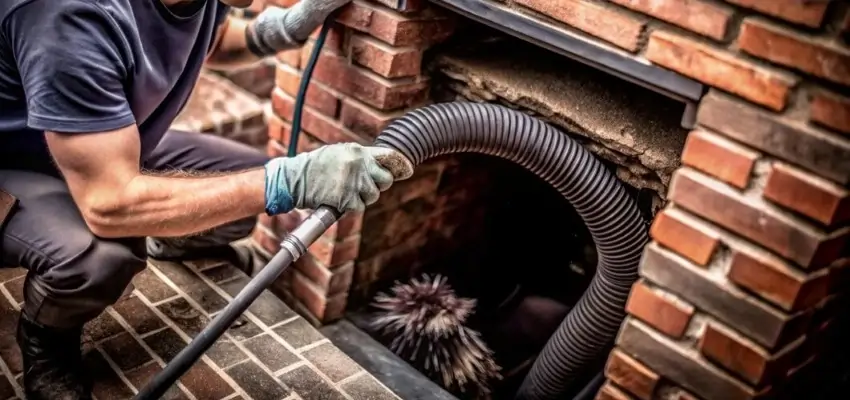
Clearer draft, cleaner flue: Chimney Cleaning for Port Moody homes
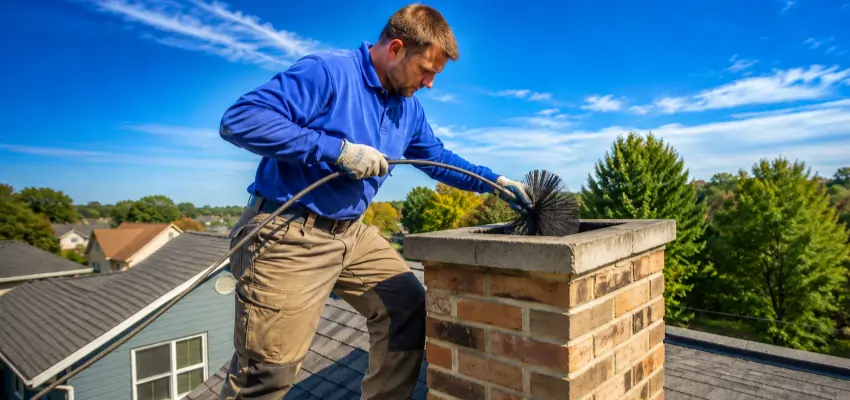
Due for Chimney Sweep service? Book ahead in Port Moody
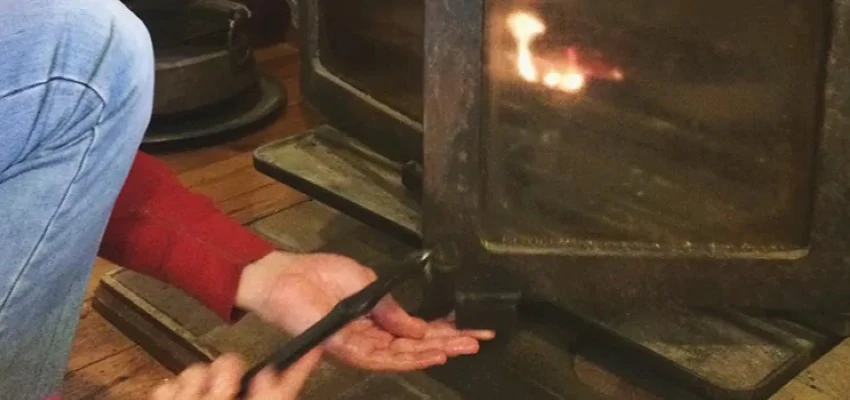
Complete Chimney Sweep Services for Port Moody homeowners
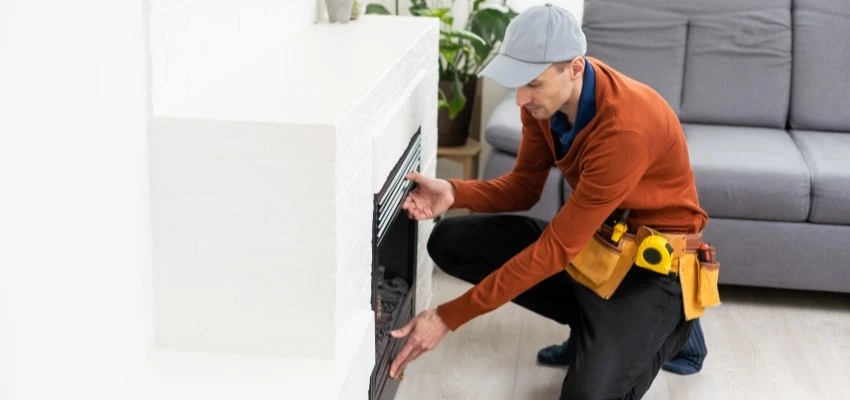
Smoke backing into the room? Call Fireplace Experts in Port Moody
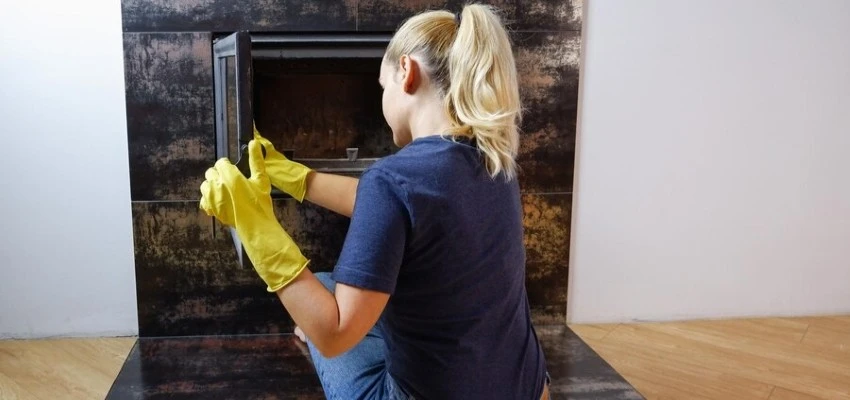
Control area vacuumed during Gas Fireplace Cleaning
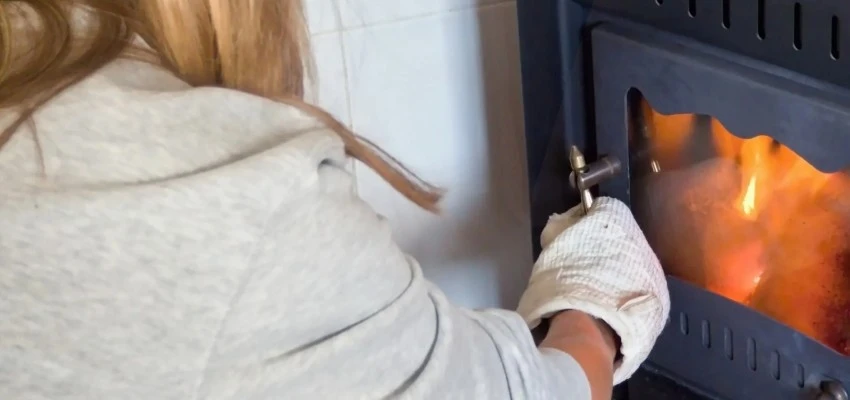
A record of every Gas Fireplace Maintenance visit

