
Fill in the form below with your contact details and a short note, and we will prepare a quote for Chimney Blockage Removal Port Moody
Looking after a chimney comes down to a few ideas that are easy to grasp once someone lays them out. Every answer below leads with the point and then gives the reasoning, so you can read one or all of them. It is written for anyone in Port Moody who arrived after searching “chimney blockage removal” and wants to understand chimney blockage clearing well enough to ask good questions and spot a vague answer.

Soot is dry carbon and creosote is a tar-based wood smoke residue, and telling them apart helps us work out what is going on with the appliance. Soot wipes off on a fingertip and falls easily under a brush. When we find heavy soot in a flue serving a gas furnace, boiler or fireplace, we take it as a sign the burner may need attention from a qualified gas technician. Creosote, by contrast, tells us how the wood fires have been run: flaky deposits suggest reasonably hot burning, while sticky or glassy layers point to cool, smoky fires or firewood that was not dry enough.
An unswept flue slowly narrows and fills with fuel for a chimney fire, and stopping that is the short version of why we sweep. On the job, the deposits we pull out range from light, dusty soot to crusty flakes and shiny, hardened tar. Each layer makes the next one easier to form, because a rough, narrowed flue cools smoke faster. A neglected chimney also hides its own damage, since nobody can see a cracked tile or a gap in the mortar through a thick coat of buildup. Clearing it is what lets us tell an owner in Port Moody whether the fireplace or stove is ready to use.
Yes, if those appliances vent into the same chimney. Many older homes route a gas furnace or water heater through a flue in the main chimney, and a blockage there can push their exhaust back into the basement instead of up and out. That is a carbon monoxide concern, so working CO alarms near those appliances and the bedrooms matter. If an alarm sounds, get everyone outside and call the fire department. When arranging “chimney blockage removal”, mention every appliance connected to the chimney so the technician checks each flue, and leave any adjustment of the appliances to a qualified gas technician.
Black flakes dropping from the damper, a sluggish fire and a campfire smell that hangs around are the signs we see most, and any owner can spot them. When we open a damper and a shower of debris comes down, the flue is overdue. A fire that sulks, needs constant coaxing or leaves a haze in the room tells us the draft is restricted somewhere. A sharp odor long after the last fire usually comes from deposits in the flue. We also ask about the calendar: if nobody remembers when the chimney was last swept, that alone is reason enough to book a look before the next fire.
On our visits the flue, smoke chamber, damper and firebox all get cleaned, working along the path of the smoke from the hearth up to the cap. We protect the floor and nearby furniture, seal the opening around our vacuum hose so dust stays contained, then work the flue with rods and a brush matched to the liner: stiff wire for clay tile, softer poly for stainless steel. The smoke chamber above the damper gets hand tools, because creosote clings to its sloped walls. Before and after, we look at the flue condition, often with a camera. At Chimney Sweep Port Moody, the visit ends with a short walkthrough of what came out, how heavy it was and anything we would keep an eye on.

A chimney quote is mostly time, access and materials, in that order. A single-story house with a gentle roof pitch and one lightly coated flue is quick. A three-story chimney, a slate or tile roof that needs extra care, or a cluster of flues on an apartment building calls for more equipment and more hands. Condition matters too: a flue we can brush in one pass costs less than one that needs rotary tools or several trips. Parts such as caps, dampers or liner sections are separate from labor. We would rather explain those factors up front than surprise anyone later.
A standard chimney sweep usually takes about an hour to an hour and a half for a single flue. Expect more time if there are several flues, if a stove or insert has to be disconnected, if the roof is steep or high, or if the buildup is heavy or glazed. A camera inspection or a written report adds a little more. Plan to be available for the whole visit and for a short conversation at the end, when the technician explains what was found. If your day is tight, describe your setup when booking so the company can give you a realistic window.
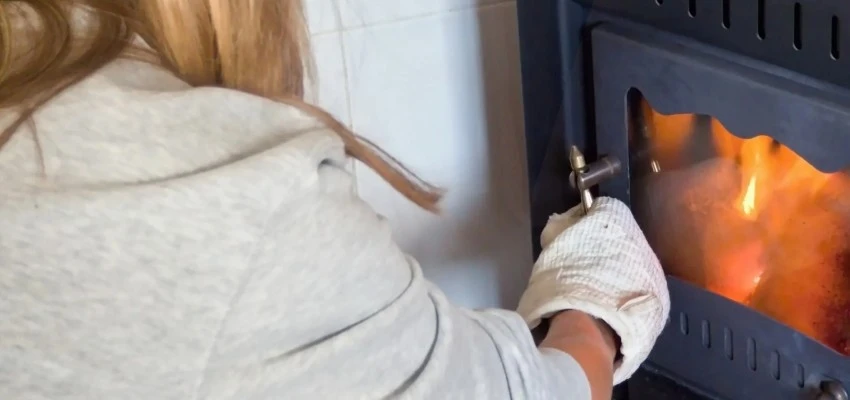
We ask owners to leave the appliance off until we have cleared the flue, even when a fire seems to burn normally. A partial blockage is deceptive: on a mild day the draft may carry most of the smoke, then on a cold or windy night it fails and the room fills. We also see cap screens clogged solid with creosote, especially above wood stoves, which chokes the draft without any nest or debris inside. Nests above the damper can catch fire from below. While you wait, keep the damper shut so nothing falls into the room, and note any smells or sounds to tell us when we arrive.
A cleared flue shows itself in a few simple ways. The technician should be able to show you an open flue on camera from bottom to top, or at least a clear view of daylight from below on a straight chimney. When the fireplace or stove is next used, the fire should catch quickly and smoke should rise without drifting into the room. Any appliance sharing the chimney should run normally with CO alarms staying quiet. If smoke, odor or weak draft returns after chimney blockage clearing, ask for a second look, since part of the obstruction may have settled higher up.

We know most people are juggling work, family and errands. Let us know which days and times are easiest and we will try to match them. Choose a time for chimney blockage clearing and the Chimney Sweep Port Moody team will confirm it with you.
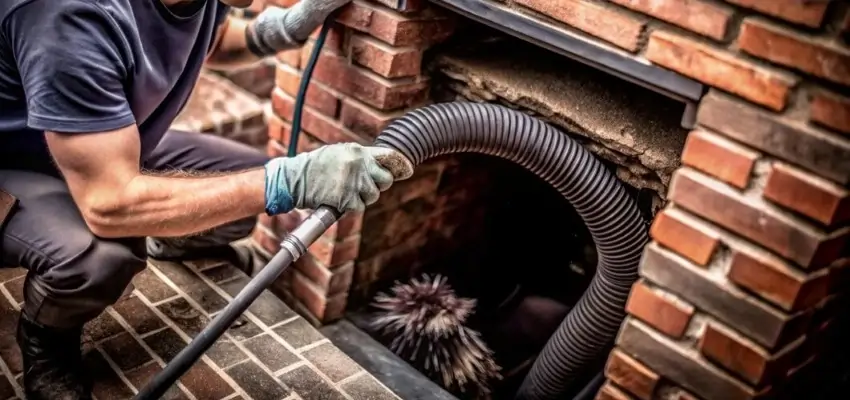
Clearer draft, cleaner flue: Chimney Cleaning for Port Moody homes

Due for Chimney Sweep service? Book ahead in Port Moody
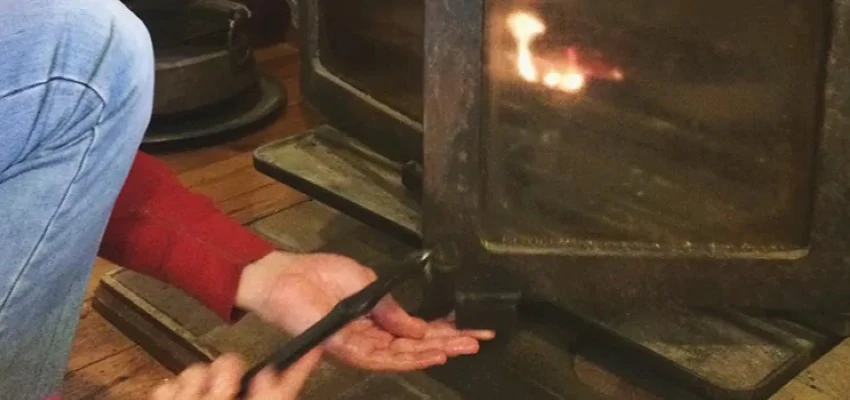
Complete Chimney Sweep Services for Port Moody homeowners
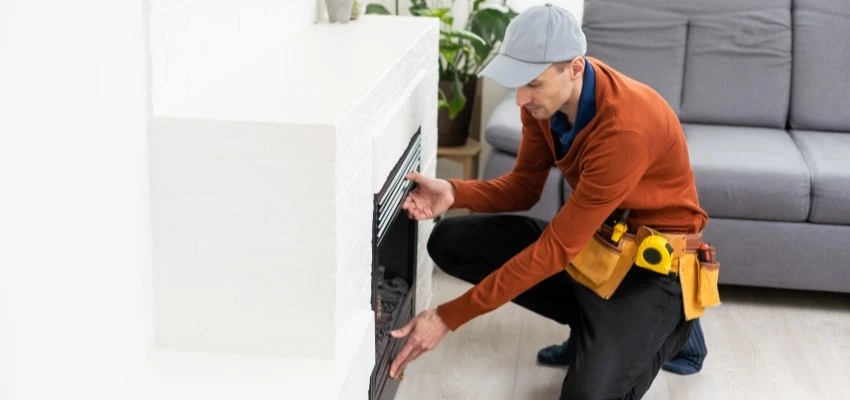
Smoke backing into the room? Call Fireplace Experts in Port Moody
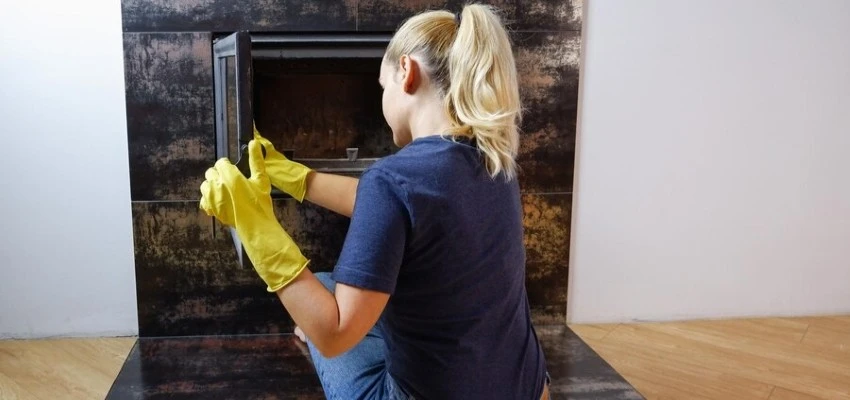
Control area vacuumed during Gas Fireplace Cleaning
A record of every Gas Fireplace Maintenance visit

