
Fill in the form below with your contact details and a short note, and we will prepare a quote for Chimney Cap Replacement Port Moody
Chimney problems are hard to judge from the ground, and climbing up for a closer look is not something we recommend. A clear explanation is the safer first step. This page covers what people in Port Moody usually want to know after a search for “chimney cap replacement”: what tends to go wrong, what a repair visit involves, what affects the price and how to tell a careful company from a hasty one. It is written to help you understand chimney cap installation, not to push you into it.

A chimney crown is the slab, usually concrete or mortar, that covers the top of the brickwork around the flue, while a chimney cap is the metal cover that sits over the flue opening itself. The crown seals the masonry and sheds water away from the bricks. The cap keeps rain, animals, leaves and sparks from entering or leaving the flue. Most masonry chimneys need both, because they protect different things. If the crown is cracked, a new cap will not stop water soaking into the bricks, and if the cap is missing, a sound crown will not keep rain out of the flue.
The most common signs show up as water, debris or poor performance. Watch for:
Outside, look for white staining on the bricks, gaps in mortar joints and a cap or flashing that looks loose. Any one of these is worth a closer look by someone who can reach the chimney safely.
It can let them into the chimney, and from there into the house in some cases. Birds, squirrels and raccoons use uncapped flues as shelter, and a damper left open or a gap in an old firebox can give them a route indoors. Signs include scratching or chirping in the chimney, nesting debris in the firebox and a strong smell. Do not light a fire to drive animals out. A wildlife service may be needed first, and then the cap can go on. People who search for “chimney cap replacement” after an animal visit should ask that the flue be checked for nests before the new cap is fitted.
Yes, some replacement caps combine the hood and screen with a top-sealing damper, a spring-loaded lid that shuts the flue at the top whenever the fireplace sits unused. A cable inside the firebox opens it before a fire is lit. One unit then keeps out rain, animals and cold drafts, which suits fireplaces whose old throat damper no longer seals. The flue tile has to be sound for the lid to close tightly, and this style does not suit every gas appliance. If you are pricing “chimney cap replacement”, ask whether a damper cap fits your fireplace and where the release cable would be anchored.
Anything from a morning to several days, depending on the part, the access and the material. A damper repair or cap swap rarely keeps us past lunch. Flashing and chase covers depend on the roof, so a steep pitch or fragile shingles add hours. Masonry is the slow one, not because the work itself drags but because mortar and crown concrete need dry, mild weather and time to firm up between steps. A full rebuild above the roofline can stretch over several visits. When we quote, we give you a working estimate and tell you plainly what could push it longer, such as hidden damage.

A clear hearth, a cold fireplace and room for a ladder cover most of what we need. We lay drop cloths in front of the fireplace, so a few feet of open floor helps, and glass doors or screens may need to come off. Outside, our ladders go on firm, level ground near the chimney; parked cars, garden beds and stored items in that spot slow the setup. We also like to know where the attic hatch or basement access is if the repair could involve them. Pets are happier in a closed room, since we will be going in and out of doors often.
Mostly no: the useful homeowner jobs happen on the ground, not on the roof. Spotting problems early is genuinely valuable, whether that means snapping photos of the chimney top after storms, shining a flashlight at the damper or keeping an eye on the ceiling near the fireplace. Where DIY goes wrong is up top. We regularly undo store-bought sealants smeared over cracks, caps held on with a single screw and mortar patches that trap water. Liner work, flue repairs and gas appliance venting have safety consequences inside the home, so those belong with trained technicians from start to finish.
Local crews know the chimneys in the area, and that knowledge saves time and guesswork. Working the same streets season after season, we learn which subdivisions have tall chimneys on steep roofs, which builders used flat chase covers that rust and which older districts still have original clay liners. That history makes the first diagnosis faster and quotes more accurate. Being close by also means we can come back to check a repair after heavy rain without it becoming a major trip. When you call Chimney Sweep Port Moody, you reach people who work on chimneys around Port Moody every week.
A few direct questions reveal a lot about a chimney repair contractor:
Clear, specific answers are a good sign. If the replies stay vague or the price changes without explanation, it is reasonable to get another opinion before agreeing to the work.

Kids, pets and work schedules all matter when someone visits your home. Let us know what to work around and we will plan the appointment to match. Choose a time for chimney cap installation anywhere in Port Moody.
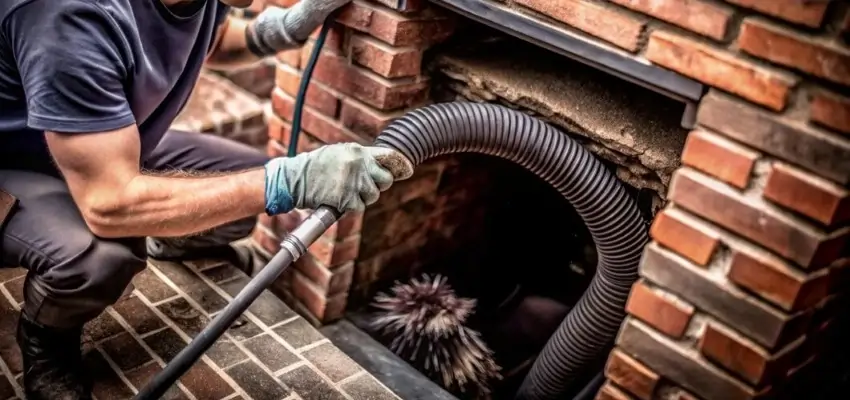
Clearer draft, cleaner flue: Chimney Cleaning for Port Moody homes
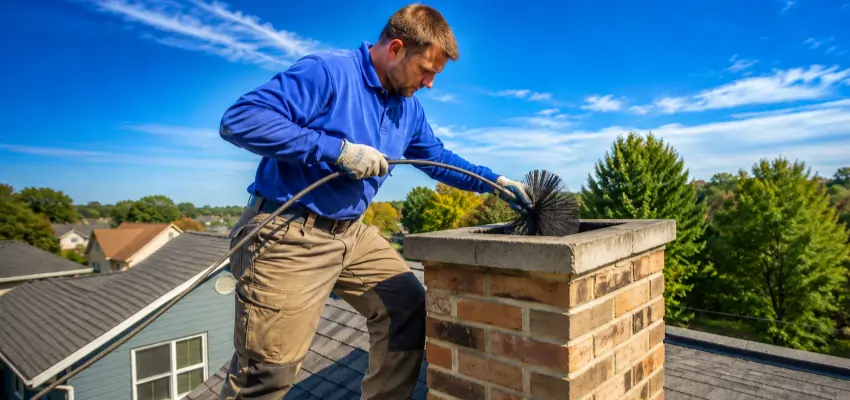
Due for Chimney Sweep service? Book ahead in Port Moody
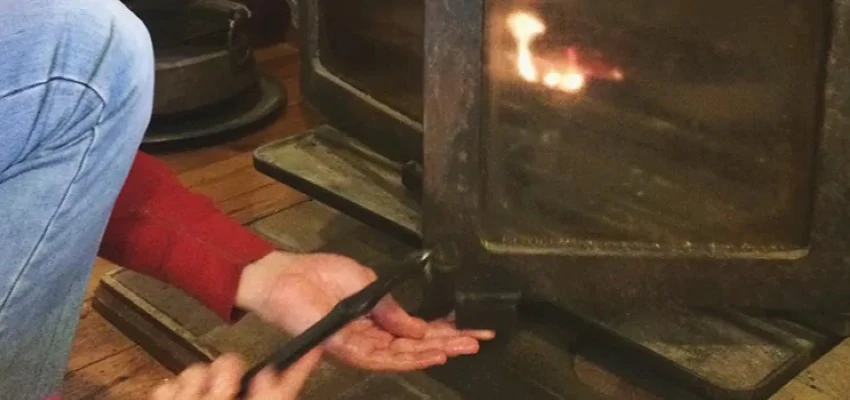
Complete Chimney Sweep Services for Port Moody homeowners
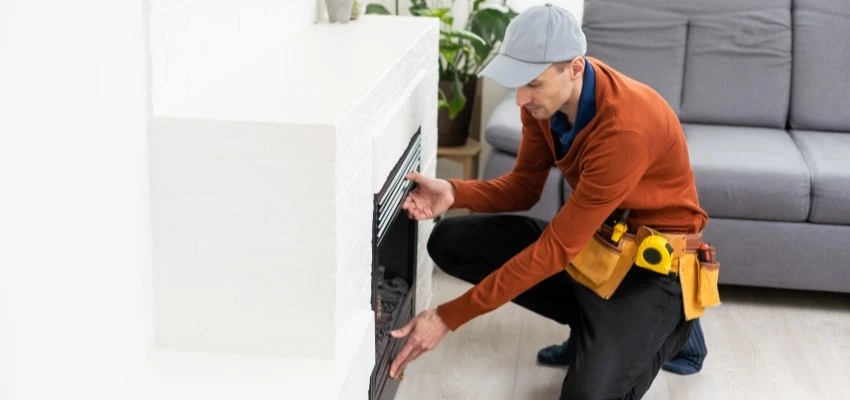
Smoke backing into the room? Call Fireplace Experts in Port Moody
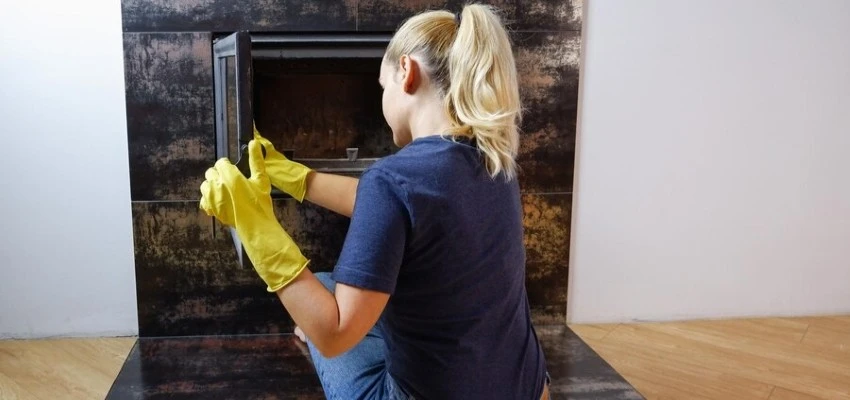
Control area vacuumed during Gas Fireplace Cleaning
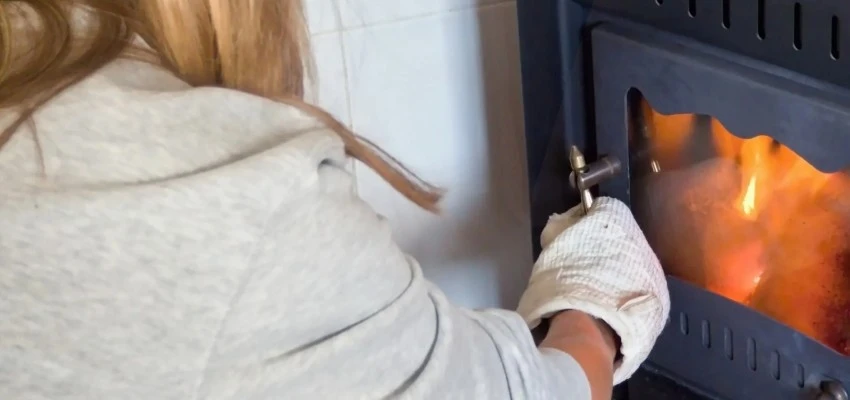
A record of every Gas Fireplace Maintenance visit

