
Fill in the form below with your contact details and a short note, and we will prepare a quote for Chimney Experts Port Moody
A chimney does its work out of sight, carrying smoke and combustion gases up and away while most of its inner surfaces stay hidden behind brick, metal or drywall. That is why so many questions come up once someone starts looking into “chimney experts”. Below, you will find direct answers about chimney service for properties in Port Moody, written by people who spend their days on roofs and at hearths. There is no jargon here and no pressure, just the practical side of the job.

Soot and creosote are different deposits: soot is a dry, powdery carbon dust, while creosote is a tarry residue from wood smoke that can be flaky, sticky or glassy. Soot comes from incomplete burning and can be left by wood, oil or a gas appliance that is not running cleanly. It is lighter and brushes away easily, but it still narrows the flue and can hold moisture and odors. Creosote is the bigger fire concern because of its oily base. Seen from the firebox, soot looks like fine black powder, while creosote looks crusty, shiny or tar-like. A technician adjusts the cleaning to match.
Bring in a specialist when a problem goes beyond normal buildup or when an earlier fix did not hold. Water stains on the ceiling or wall next to the chimney, smoke that keeps entering the room after a sweep, cracks you can see in the crown or brickwork and any sign of a past chimney fire all deserve a careful look. So does a change of appliance, such as adding an insert or switching fuel. If you are reading about “chimney experts” because two people have told you different things, a camera inspection with photos is a fair way to settle it.
Smoke spills in when the draft is weaker than the push of the fire, and we usually trace it to one of a few causes. In tight, well-sealed houses, exhaust fans and dryers create enough suction that the chimney becomes an air intake instead of an exhaust. Short chimneys, nearby trees or a taller roofline beside the stack can disturb the airflow at the top. Inside the flue, heavy creosote, a nest or fallen debris narrows the path. Sometimes the fireplace opening is simply too large for the flue. Finding which one applies takes a look from both ends, and the fix ranges from a habit change to a repair.
A chimney camera is worth using because it shows the full length of the flue, where cracks, gaps and hidden buildup sit far beyond the reach of a flashlight. From the bottom or top you can see only a few feet in; the camera travels the whole way on a flexible rod and records what it finds. It can reveal broken or shifted tiles, missing mortar between sections, damage from an old chimney fire, separated metal joints and obstructions partway up. Ask to see the footage or still images. They make a recommendation much easier to understand and to compare if you want a second opinion.
During a chimney sweep, the technician scrubs the inside of the flue from top to bottom and removes the loosened buildup without spreading it through the room. A typical visit starts with drop cloths around the hearth and a powerful vacuum set up at the fireplace or stove opening. Brushes sized to the flue are run through on flexible rods, from below, from the roof or both. The smoke chamber, damper and firebox are cleaned as well. Most sweeps finish by checking the cap and the visible parts of the chimney and telling you what they saw, including anything that needs attention later.

The cost of chimney work depends mostly on how many flues are involved, how easy they are to reach and how much each one needs. A single fireplace flue on a low roof costs less than a tall chimney on a steep roof or a building with several flues. Stoves and inserts that must be disconnected take longer. Heavy or glazed creosote, a blockage or an animal problem adds time and sometimes a return visit. Camera inspections, written reports, caps and repairs are often priced separately. Ask for a written quote that lists what is included so you can compare companies fairly.
Preparing for a chimney visit mostly means letting the fireplace or stove cool and clearing space around it. Skip fires for at least a day beforehand so the ashes and flue are cold. Move furniture, rugs, screens and decorations a few feet back from the hearth, and take fragile items off the mantel. Outside, make sure the technician can reach the roof: unlock gates, move vehicles away from the walls where a ladder may go and keep pets indoors. Note anything unusual you have noticed, such as smells, sounds or smoke, and have the date of the last cleaning handy if you know it.
Chimney work depends on understanding draft, heat and how smoke behaves, not just on being handy with tools. People who specialize in chimneys know how flue size should match the appliance, how liners age, what damage from a past chimney fire looks like and why one fireplace smokes while the next one does not. They also carry the equipment that goes with the trade: rods and brushes for different liners, rotary tools, cameras and roof safety gear. When you weigh companies that call themselves “chimney experts” against someone who does a bit of everything, ask what share of their week is spent on chimneys.
A local company brings knowledge a visiting crew would have to guess at, and that is the main reason to hire one. Working the same area season after season, we learn which streets have older brick chimneys with clay liners, which developments used factory-built metal flues and where storms tend to loosen caps. We also know local burning habits and when the fall rush begins. That makes quotes more accurate and visits shorter. When you call around Port Moody, ask where the crew is based and whether the same technician can come back for a follow-up.

A recent look at the parts of a home buyers ask about can make a sale go more smoothly. We can fit chimney service around showings, inspections or move-in dates. Tell us your timeline and we will plan around it.
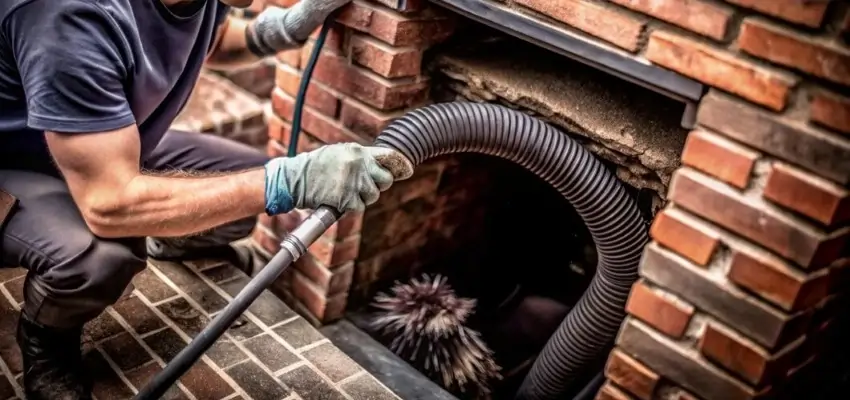
Clearer draft, cleaner flue: Chimney Cleaning for Port Moody homes
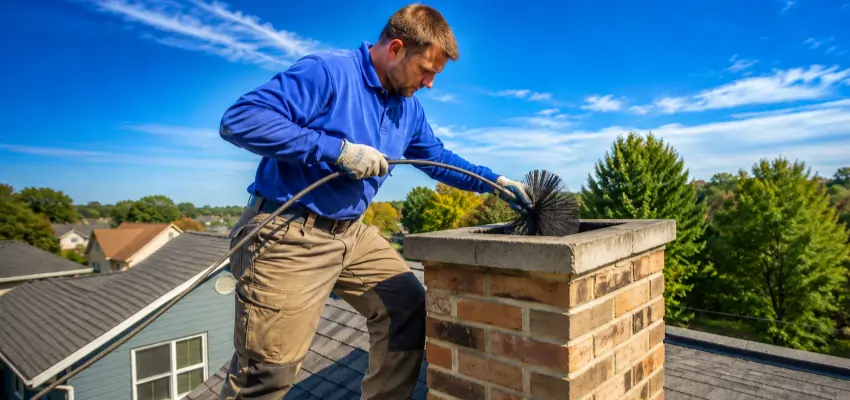
Due for Chimney Sweep service? Book ahead in Port Moody
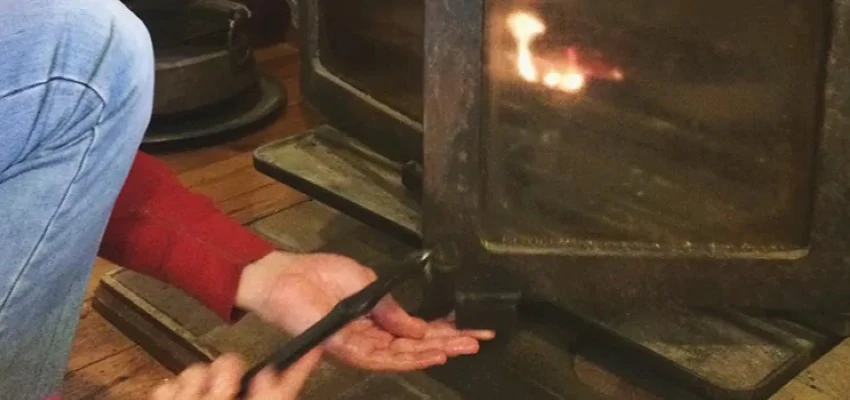
Complete Chimney Sweep Services for Port Moody homeowners
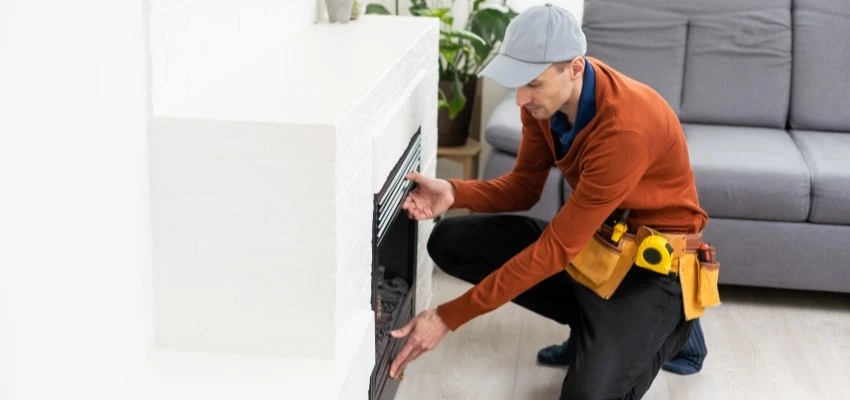
Smoke backing into the room? Call Fireplace Experts in Port Moody
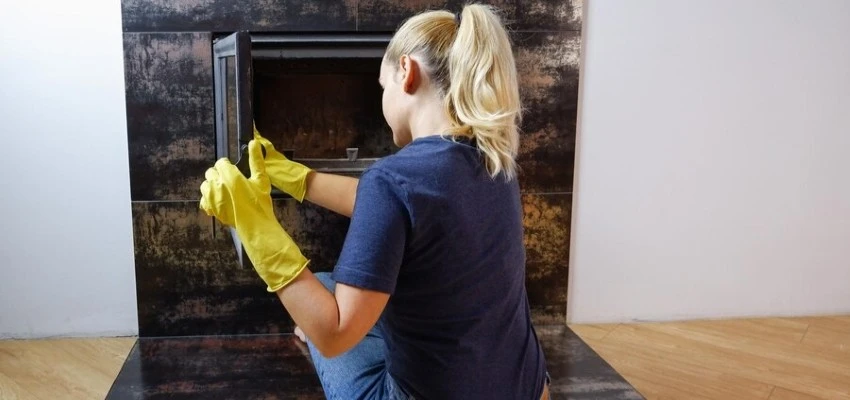
Control area vacuumed during Gas Fireplace Cleaning
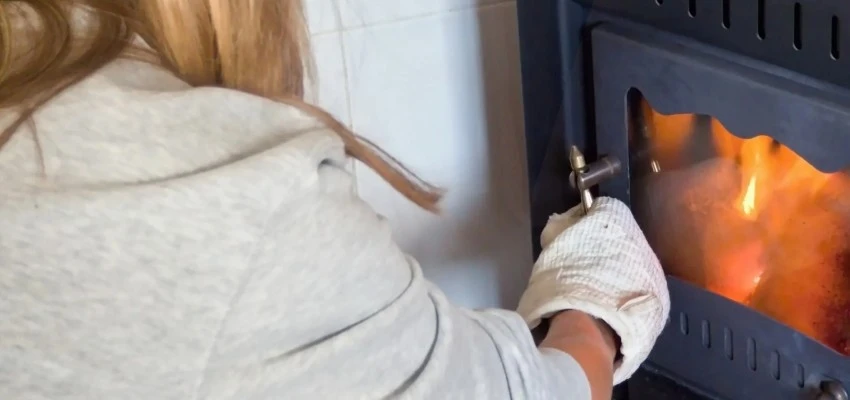
A record of every Gas Fireplace Maintenance visit

