
Fill in the form below with your contact details and a short note, and we will prepare a quote for Chimney Fan Services Port Moody
Most chimney damage starts small. A hairline crack, a gap in a seal or a sticky part rarely looks urgent, and for a while it may not be. Water and heat are patient, though, and small faults tend to grow. This page is for anyone in Port Moody who has been searching for “chimney fan services” and wants to understand chimney fan service before a minor issue turns into a major one, with clear answers on signs, process, timing and choosing who does the work.

It depends on the damage, so the safe default is to hold off until someone has looked at it. Cosmetic problems on the outside, such as a stained brick face, rarely affect how a fireplace works. Damage inside the flue, a cracked liner, a damper stuck shut or a blocked vent is different, because smoke and hot gases may not leave the house the way they should. If you notice smoke spilling into the room, a strong smell or soot where there was none before, stop using the fireplace. Keep working carbon monoxide alarms on every level of the home either way.
Repairs matter because chimneys tend to fail slowly at first and then expensively. We regularly open up a chimney where a minor issue, such as a missing cap or one cracked mortar joint, was left alone for a few seasons. By then, water has soaked the bricks, rusted the damper or softened the wood framing beside the stack. Work at that stage takes longer and uses far more material. Catching the same fault early usually means a short visit and a modest bill. There is a safety side too, because a damaged flue or liner can let heat and smoke escape where nobody expects them.
The most obvious sign is the return of the problem the fan was meant to solve: smoke drifting into the room or a stove that struggles to draw. Other clues include new noises such as grinding, squealing or rattling from the roof, a fan that starts slowly or not at all, vibration you can feel in the chimney and a speed control that seems to have no effect. If the fan sounds damaged, stop adding fuel and let the fire burn out before switching the fan off, since some chimneys cannot draw well without it. Keep carbon monoxide alarms working, open a nearby window if smoke spills and arrange chimney fan service; a fan wheel or motor can often be repaired or replaced without changing the whole unit.
The cost of chimney repair depends mostly on the part being fixed, how much damage there is and how hard the chimney is to reach. A tall chimney on a steep roof needs more equipment and time than a short one on a gentle slope. Materials vary too: stainless steel, copper and custom-sized parts cost more than standard ones, and masonry work depends on how many joints or bricks are involved. Hidden damage found once work begins, such as rotted framing under a chase cover, can add to the total. A written quote that spells out the scope makes comparisons easier.
Mostly no: the useful homeowner jobs happen on the ground, not on the roof. Spotting problems early is genuinely valuable, whether that means snapping photos of the chimney top after storms, shining a flashlight at the damper or keeping an eye on the ceiling near the fireplace. Where DIY goes wrong is up top. We regularly undo store-bought sealants smeared over cracks, caps held on with a single screw and mortar patches that trap water. Liner work, flue repairs and gas appliance venting have safety consequences inside the home, so those belong with trained technicians from start to finish.

A chimney fan needs a regular cleaning and a quick mechanical check, usually during the yearly chimney sweep. Soot and creosote build up on the fan wheel and housing, which can unbalance it and reduce airflow, so the technician opens the unit, cleans those parts and checks that the motor turns freely and quietly. Wiring, the mounting base and the indoor speed control get a look too. Many fans are hinged so the flue can still be swept from the top. If you are looking into “chimney fan services”, ask whether fan cleaning is included with sweeping or quoted separately.
Comparing chimney repair quotes is easiest when each one describes the same work. Check that every quote names the parts being repaired, the materials, how far the work extends, for example the whole chimney or just the top courses, and whether clean-up, disposal and any permits are included. Look at how each company would handle extra damage found during the job. A much lower quote often covers less: a sealant coating instead of a new crown, or patching a few joints instead of repointing the weathered side. A fair quote is specific, in writing and explained without pressure.
A local company is often the practical choice because it knows the housing styles, roof types and weather your chimney deals with. Builders in the same area often used similar chimney designs, so a nearby crew may already know where yours is likely to fail. Local service also makes it easier to schedule follow-up visits, check a repair after the first big storm or answer a question months later. Before booking, confirm the company works in your area with its own crew, and ask how it handles return visits if something needs adjusting.
The questions that matter most are about cause, scope and surprises, and any capable chimney company can answer them in plain words. Cause: why is this happening, and how do you know? Scope: which parts are included, which materials, and is the chimney top part of the job? Surprises: what happens if rotten framing or a cracked flue tile turns up halfway through? It is also fair to ask who will be on your roof, how long new mortar needs before a fire and how the site will be left. We welcome these questions, because they lead to fewer misunderstandings later.

You do not need to know the right terms before you call. Describe the problem in your own words and we will translate it into a plan for your chimney. Reach us at (778) 719-4866 or ask for a quote online, whichever is easier for you.
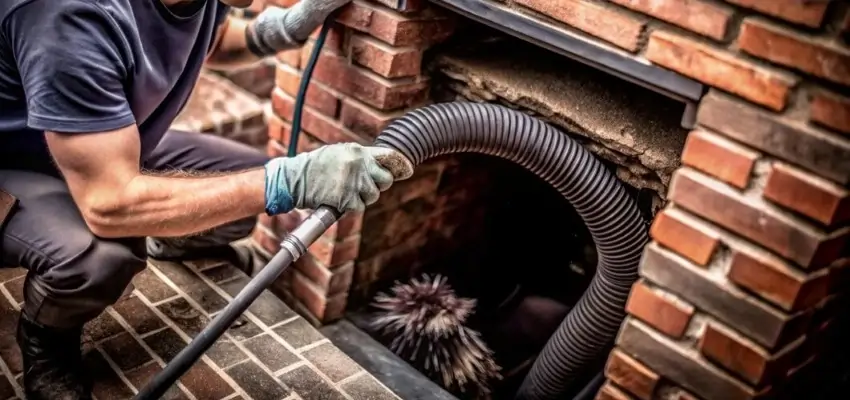
Clearer draft, cleaner flue: Chimney Cleaning for Port Moody homes
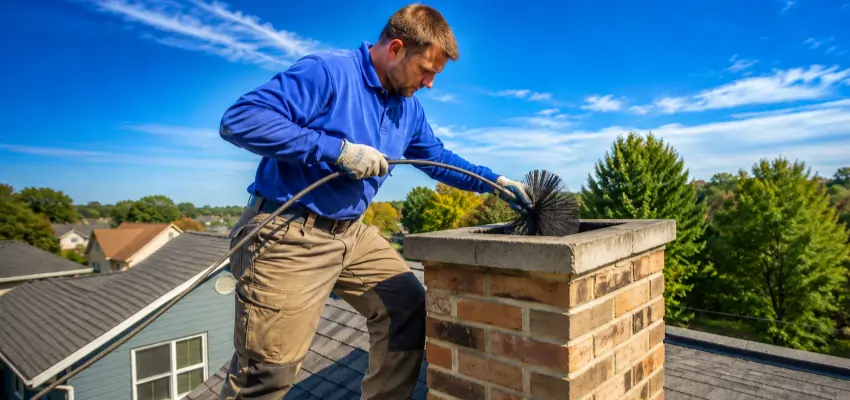
Due for Chimney Sweep service? Book ahead in Port Moody
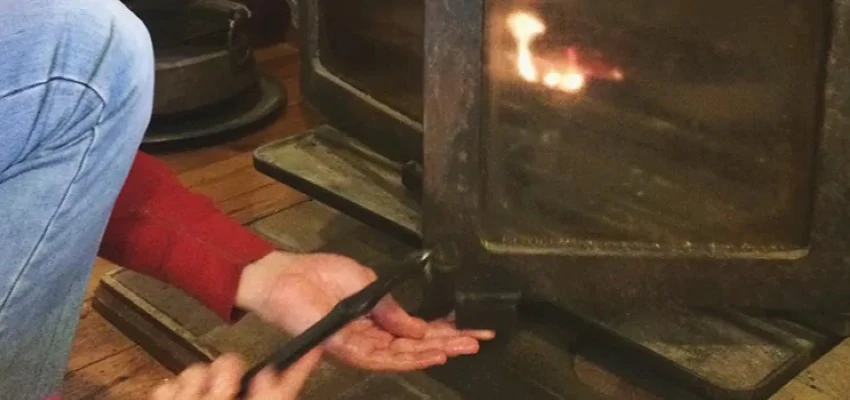
Complete Chimney Sweep Services for Port Moody homeowners
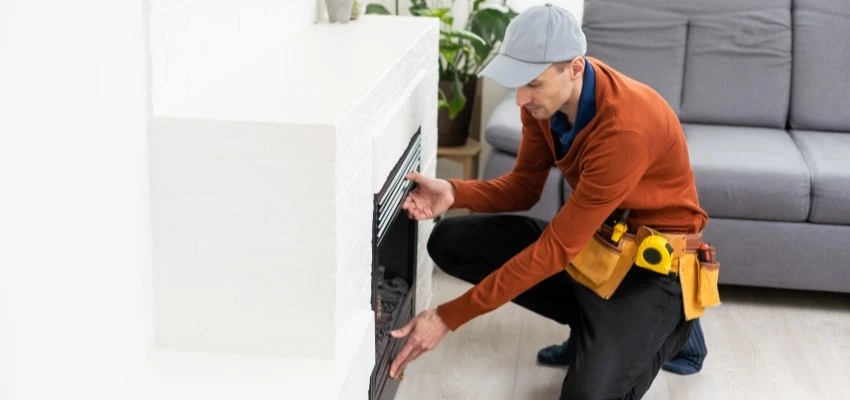
Smoke backing into the room? Call Fireplace Experts in Port Moody
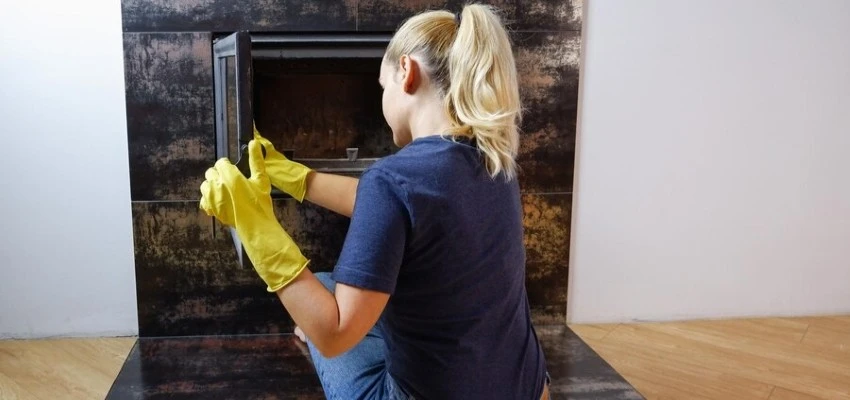
Control area vacuumed during Gas Fireplace Cleaning
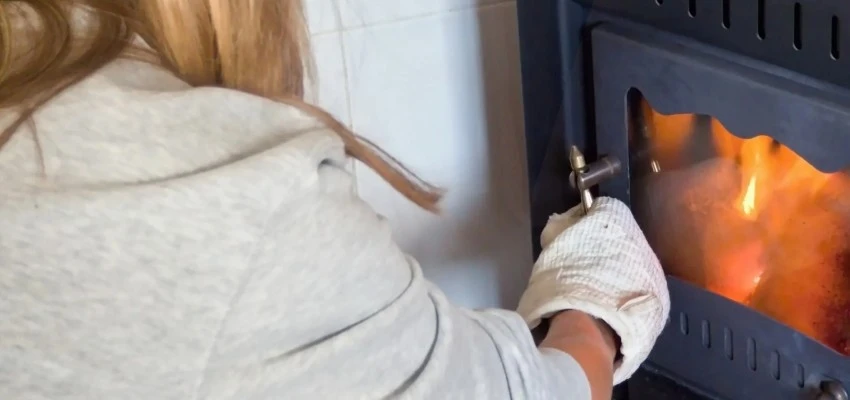
A record of every Gas Fireplace Maintenance visit

