
Fill in the form below with your contact details and a short note, and we will prepare a quote for Chimney Flashing Port Moody
It is easy to think of a chimney as a fireplace accessory, but it is also part of the roof, the walls and the frame of the house. When one piece fails, water and heat can reach places they were never meant to go. For homeowners in Port Moody who typed “chimney flashing” into a search bar, the answers on this page explain flashing repair in everyday language, from the first warning signs to what happens once the work is done.

Repairs matter because chimneys tend to fail slowly at first and then expensively. We regularly open up a chimney where a minor issue, such as a missing cap or one cracked mortar joint, was left alone for a few seasons. By then, water has soaked the bricks, rusted the damper or softened the wood framing beside the stack. Work at that stage takes longer and uses far more material. Catching the same fault early usually means a short visit and a modest bill. There is a safety side too, because a damaged flue or liner can let heat and smoke escape where nobody expects them.
A leaking chimney almost always has one of a few causes: a missing or damaged cap, a cracked crown, failed flashing where the chimney meets the roof, or porous bricks and mortar soaking up rain. On factory-built chimneys, a rusted or flat chase cover is a frequent culprit. Water may show up far from where it enters, running along the flue or the framing before it appears as a stain. Note when the leak happens, whether in every rain or only when wind blows from one direction, and where you see it. Those details help narrow down the source quickly.
Bad chimney flashing usually shows up as water stains on the ceiling or walls next to the chimney, damp attic framing or wet insulation around the chimney’s base. Flashing is the metal that seals the joint between the roof and the chimney, and it fails when sealant dries out, fasteners back out, metal rusts or roofing work disturbs it. From the ground, look for metal that has pulled away from the brick, gaps smeared with a thick bead of tar or caulk and missing or lifted shingles around the chimney. Leaks often appear first during heavy, wind-driven rain.
It depends on the part being repaired. Caps, crowns, flashing, upper masonry, chase covers, chimney fans and top-sealing dampers are reached from the roof or from ladders set against the chimney. Throat dampers, fireboxes, ash dumps, cleanout doors and many vent connections are handled from inside the house or at ground level. Roof work is planned around the weather, the pitch of the roof and safe ladder placement. Homeowners should not climb up to inspect or repair a chimney themselves; binoculars from the yard or the technician’s photos will tell you what you need to know.
We run repairs in a set order: confirm, protect, fix, test, explain. Confirming means checking the chimney ourselves rather than relying only on the phone description, because the cause of a leak or a stuck part is not always where it seems. Protecting covers drop cloths inside and care around shrubs and shingles outside. The repair itself depends on the part involved. Testing might mean running water over new flashing, cycling a damper several times or checking draft with a little smoke. We finish by walking you through what we did and showing photos of areas you cannot see from the ground.

The most common materials are aluminum, galvanized steel, stainless steel and copper, with lead sometimes used for parts shaped around brick. Aluminum is light and easy to bend but should not sit against fresh mortar or concrete without a protective coating, since the alkaline mix can corrode it. Galvanized steel is strong but eventually rusts. Copper and stainless last a long time and suit higher-end roofs. Whatever the choice, the metal should be compatible with the roofing and with any other metal it touches. Ask which material your flashing repair quote includes and why it was chosen.
Anything from a morning to several days, depending on the part, the access and the material. A damper repair or cap swap rarely keeps us past lunch. Flashing and chase covers depend on the roof, so a steep pitch or fragile shingles add hours. Masonry is the slow one, not because the work itself drags but because mortar and crown concrete need dry, mild weather and time to firm up between steps. A full rebuild above the roofline can stretch over several visits. When we quote, we give you a working estimate and tell you plainly what could push it longer, such as hidden damage.
Preparing for chimney repair mostly means clearing access inside and out. Stop using the fireplace or stove at least a day before so the firebox and flue are cool, and move decorations, screens, tools and furniture away from the hearth. Outside, move vehicles, patio furniture, planters and grills away from the side of the house where ladders will go, and unlock any gates. Let the company know about pets, an alarm system or anything fragile near the chimney. If the job involves the attic or basement, such as tracing a leak or emptying an ash pit, clear a path there too.
In most cases, yes. Reusing old flashing under new shingles saves a little time but often shortens the life of the job, because aged metal and sealant may fail long before the new roof does. Replacing it during a reroof is simpler, since the shingles around the chimney are already off. Agree in advance who will do it, the roofer or a chimney company, and how the counter flashing will be set into the mortar joints. People who see “chimney flashing” mentioned in a roofing quote should ask whether it means new metal or simply fresh sealant over the old pieces.

Renovations, inspections and sales are all good reasons to check the parts of a home that are usually out of sight. We can fit the visit around your contractors or your listing date. Request a quote for flashing repair and mention your timeline.
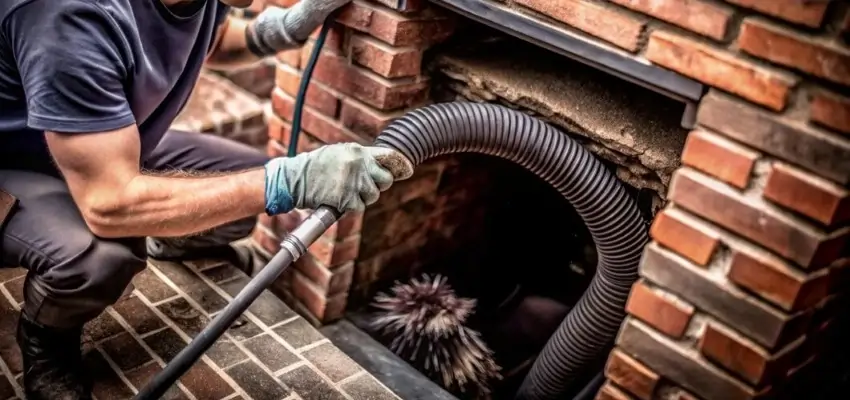
Clearer draft, cleaner flue: Chimney Cleaning for Port Moody homes
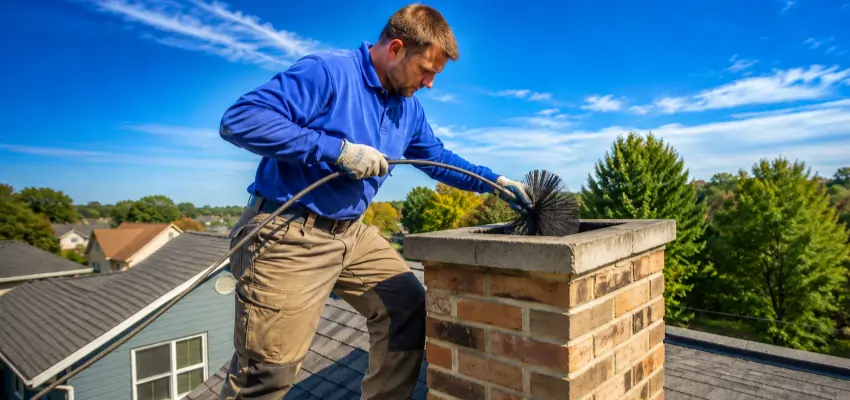
Due for Chimney Sweep service? Book ahead in Port Moody
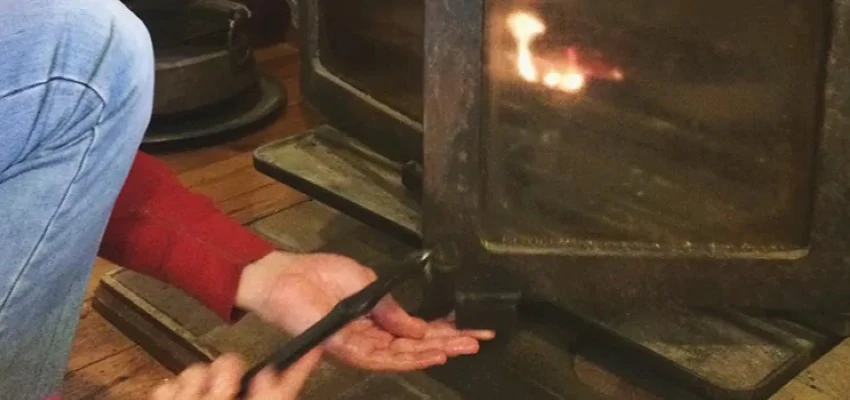
Complete Chimney Sweep Services for Port Moody homeowners
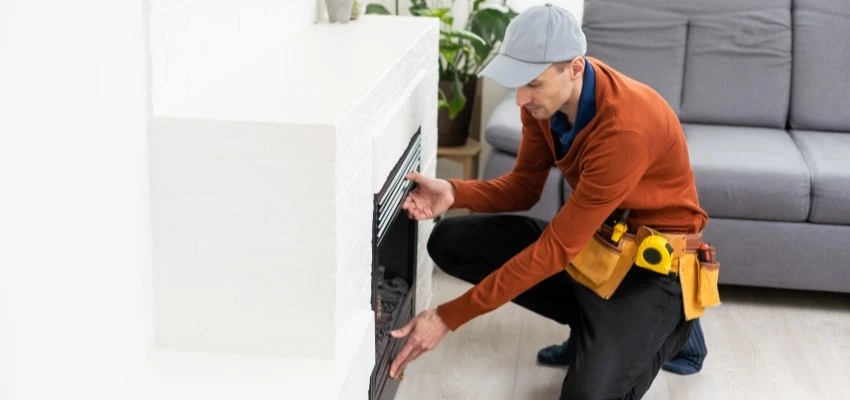
Smoke backing into the room? Call Fireplace Experts in Port Moody
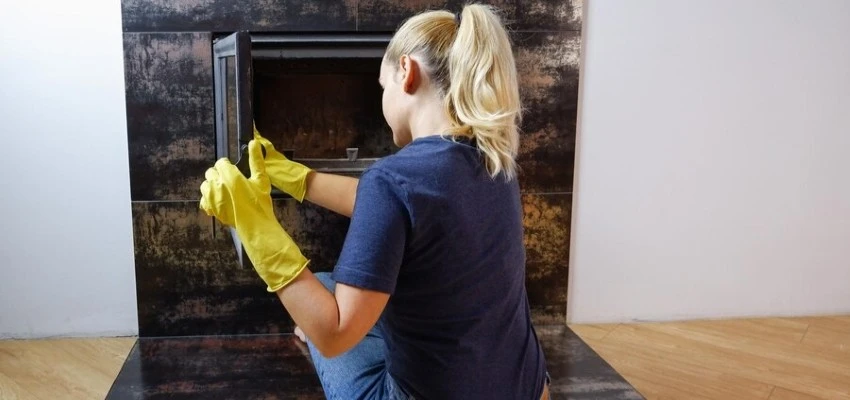
Control area vacuumed during Gas Fireplace Cleaning
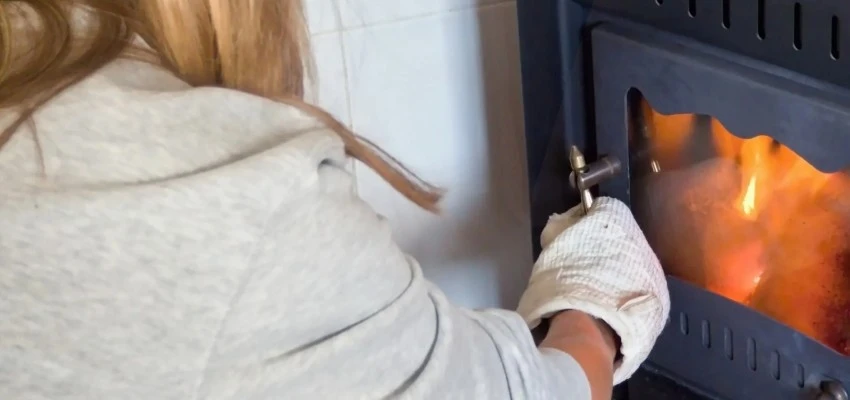
A record of every Gas Fireplace Maintenance visit

