
Fill in the form below with your contact details and a short note, and we will prepare a quote for Chimney Nest Removal Port Moody
Brick chimneys on older houses, insulated metal flues on newer ones, stovepipes, wood-fired ovens and boiler vents all move smoke the same basic way, yet each one ages differently. For property owners in Port Moody researching “chimney nest removal”, the answers that follow explain chimney nest clearing in practical terms, with notes on the setups that come up most often and the details worth mentioning when you call a company.

Soot is dry carbon and creosote is a tar-based wood smoke residue, and telling them apart helps us work out what is going on with the appliance. Soot wipes off on a fingertip and falls easily under a brush. When we find heavy soot in a flue serving a gas furnace, boiler or fireplace, we take it as a sign the burner may need attention from a qualified gas technician. Creosote, by contrast, tells us how the wood fires have been run: flaky deposits suggest reasonably hot burning, while sticky or glassy layers point to cool, smoky fires or firewood that was not dry enough.
Yes, a nest made of dry twigs, grass and feathers can ignite from heat or sparks, and it can also block the flue enough to send smoke back into the room. That is why a fire should never be lit when you suspect a nest above the damper. Signs include twigs falling onto the grate, chirping or fluttering sounds and a smell of droppings. If you notice any of these, keep the damper closed. Some birds that nest in chimneys are protected, so an active nest stays in place until the young have flown; after that, arrange “chimney nest removal” before the next fire, along with a sweep and a check that the cap is in place.
The clearest sign a chimney needs sweeping is black, flaky buildup you can see on the damper or falling into the firebox. Other clues often show up alongside it:
Any one of these is worth a check. Two or three together usually mean the flue is overdue.
Smoke spills in when the draft is weaker than the push of the fire, and we usually trace it to one of a few causes. In tight, well-sealed houses, exhaust fans and dryers create enough suction that the chimney becomes an air intake instead of an exhaust. Short chimneys, nearby trees or a taller roofline beside the stack can disturb the airflow at the top. Inside the flue, heavy creosote, a nest or fallen debris narrows the path. Sometimes the fireplace opening is simply too large for the flue. Finding which one applies takes a look from both ends, and the fix ranges from a habit change to a repair.
We remove animals humanely by working with their habits instead of against them. First we identify what is inside, because a brood of young birds, a raccoon mother with kits and a single trapped squirrel each call for a different plan. Young birds usually need a short wait until they can fly. A raccoon mother will often move her litter once the den feels disturbed, after which we fit a one-way door to confirm everyone is out. A trapped squirrel can sometimes climb out on a rope or board lowered into the flue. When a situation calls for a wildlife specialist, we say so and coordinate with them.

Old nests are often harder to remove than fresh ones because they have been packed down, dried out and sometimes coated with soot. The technician usually breaks the material apart from below with hand tools or a rotary head, while a vacuum collects the debris before it reaches the room. Nests built higher in the flue may be pulled down from the roof. Once the bulk is out, the flue is swept and checked with a camera for leftover material wedged at ledges or joints. A careful “chimney nest removal” job also confirms the damper plate moves freely afterward.
Until help arrives, keep the damper and fireplace doors shut, keep children and pets away and leave the animal alone. Opening the damper can let a frightened bird, bat or squirrel into the house. Do not light a fire, pour water down the flue or try to grab the animal. If a bird or squirrel gets inside, close the interior doors, open a window or exterior door in that room and let it find its way out. If it is a bat and anyone may have touched it or was asleep in that room, keep the room closed and ask your local public health office for advice before letting it go. Tell the company you call what you have heard and when.
A cold firebox and a bare hearth help us more than anything else. Clear a few feet of floor for the vacuum and drop cloths, and lift screens and ornaments off the hearth itself. Warm ash is the most common reason a job starts late, since we cannot clean safely until it has cooled. Outside, we need a stable spot near the chimney for the ladder, so mention soft ground, flower beds or a deck that might be in the way. Tell us about alarm systems, a dog that dislikes visitors or a roof that is easier to reach from the back. Those small details save time on the day.
The smell lingers because the source is rarely just the animal; it is everything the animal left soaked into porous masonry. When we clean up after wildlife, we bag out the nest, scrape the smoke shelf and damper, sweep the full flue and look with a camera for anything wedged at tile joints. On brick that has absorbed a lot, we apply an enzyme-based or chimney-specific deodorizer and leave the damper closed while it works. Most odors fade noticeably after that. If one returns on muggy days, there is usually a pocket of material we have not reached yet, and a second look finds it.

The systems that keep a home comfortable tend to work quietly in the background until something goes wrong. A planned visit is a calm way to keep your chimney in good shape. Request a quote from the Chimney Sweep Port Moody team in Port Moody.
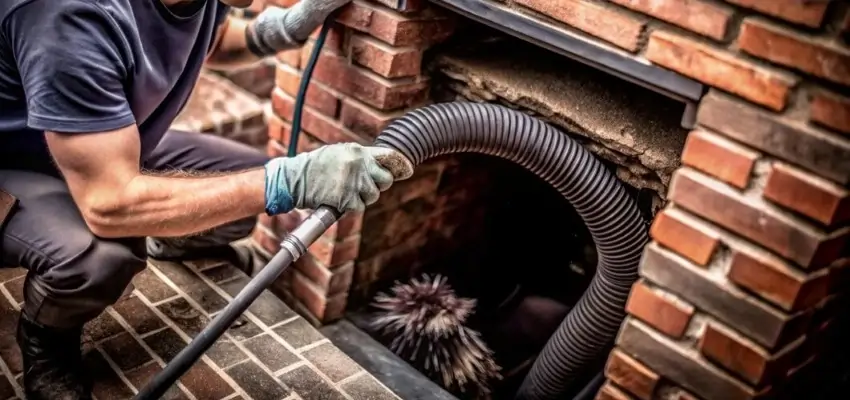
Clearer draft, cleaner flue: Chimney Cleaning for Port Moody homes
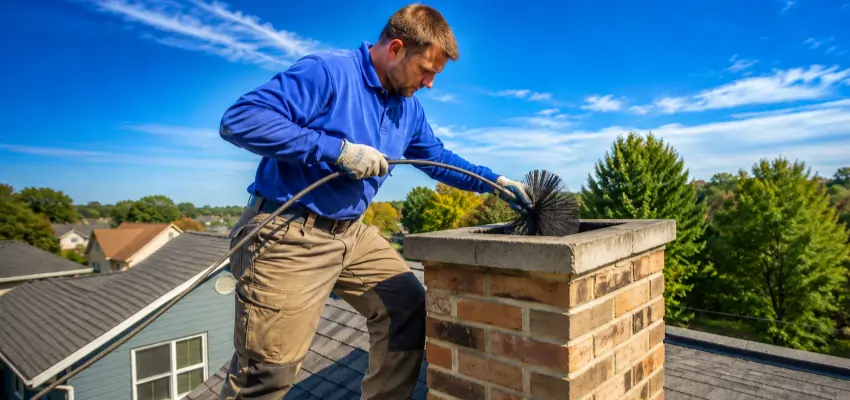
Due for Chimney Sweep service? Book ahead in Port Moody
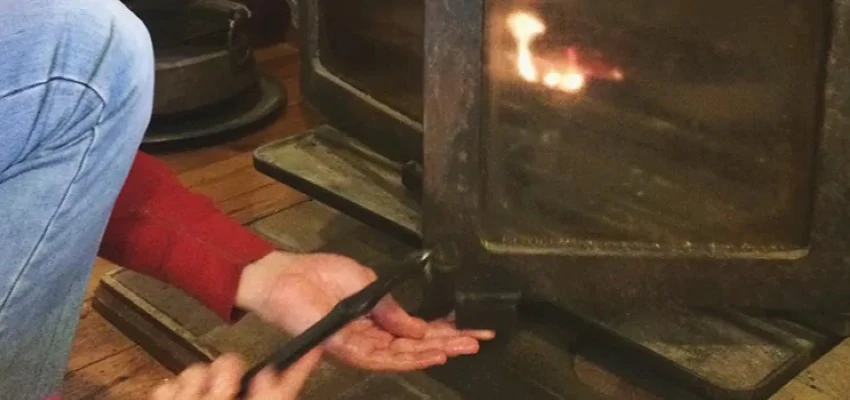
Complete Chimney Sweep Services for Port Moody homeowners
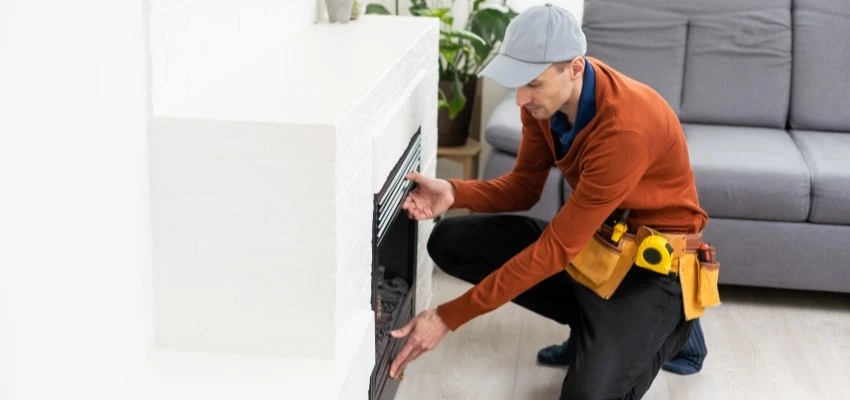
Smoke backing into the room? Call Fireplace Experts in Port Moody
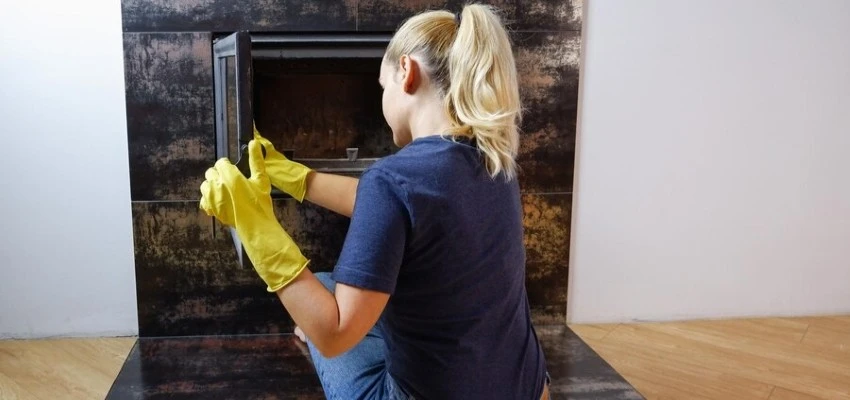
Control area vacuumed during Gas Fireplace Cleaning
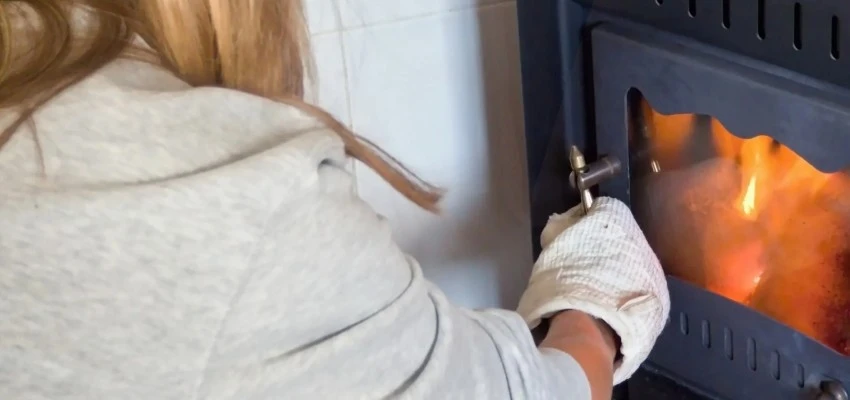
A record of every Gas Fireplace Maintenance visit

