
Fill in the form below with your contact details and a short note, and we will prepare a quote for Chimney Odor Removal Port Moody
A smoky smell on a humid afternoon, scratching above the damper, a fire that refuses to draw: chimneys tend to announce trouble in small ways first. If one of those moments led you to search for “chimney odor removal”, you are in a good place to start. This page walks through chimney odor control for buildings around Port Moody, explaining what usually causes problems, what a visit involves and which simple checks you can make safely on your own.

Creosote is the residue that forms when wood smoke cools on its way up the chimney and its tars, gases and moisture condense on the flue walls, and it is dangerous because it burns easily and very hot. A thick layer can catch from a stray spark or an unusually hot fire, and the resulting chimney fire can crack liners and push heat toward nearby framing. Creosote builds faster with damp wood, smoldering fires and chimneys on cold outside walls. It may look like black flakes, a sticky tar or a hard, shiny glaze. If you see any of these on the damper or around the firebox, book a sweep.
The type of smell is a useful clue to its source. A sharp, smoky or asphalt-like odor usually comes from creosote, especially in humid weather. A damp, musty smell points to water getting into the chimney through the cap, crown or flashing. A rotten smell often means an animal or nest is in the flue. A smell of rotten eggs is different: it may be gas, so leave the building at once and call the gas utility from outside. Describing the smell when you ask about “chimney odor removal” helps the technician know where to start looking.
A chimney often smells worse in summer because humid air dampens the creosote left from the heating season, and air drawn down the flue carries that sharp, smoky odor into the room. The downdraft happens when the house is under slight negative pressure, for example while exhaust fans, a range hood or a clothes dryer are running. Rain entering an uncapped chimney adds a musty note. Closing the damper and any glass doors helps, and a sweep in spring removes most of the deposits behind the smell. If the odor is rotten rather than smoky, an animal or nest may be in the flue.
Black flakes dropping from the damper, a sluggish fire and a campfire smell that hangs around are the signs we see most, and any owner can spot them. When we open a damper and a shower of debris comes down, the flue is overdue. A fire that sulks, needs constant coaxing or leaves a haze in the room tells us the draft is restricted somewhere. A sharp odor long after the last fire usually comes from deposits in the flue. We also ask about the calendar: if nobody remembers when the chimney was last swept, that alone is reason enough to book a look before the next fire.
The cost of chimney work depends mostly on how many flues are involved, how easy they are to reach and how much each one needs. A single fireplace flue on a low roof costs less than a tall chimney on a steep roof or a building with several flues. Stoves and inserts that must be disconnected take longer. Heavy or glazed creosote, a blockage or an animal problem adds time and sometimes a return visit. Camera inspections, written reports, caps and repairs are often priced separately. Ask for a written quote that lists what is included so you can compare companies fairly.

From the scheduling side, spring and summer give owners the most choice and give us time to handle repairs before the cold arrives. A flue swept right after the last fire of the season also smells better through the muggy months. The rush starts with the first chilly week of fall, and calendars around Port Moody fill quickly from there. For businesses with fireplaces or ovens, quieter stretches of their year are usually easier for access as well. We sweep in every season, though. The right time is whenever a problem shows up, and otherwise a fixed month you will remember each year.
A chimney often smells after an animal leaves because droppings, urine and old nesting material soak into brick and mortar, and humid weather keeps releasing that odor. If an animal died in the flue or on the smoke shelf, the smell is stronger still until the remains are removed. Clearing every bit of debris, sweeping the flue and applying a deodorizing product made for chimneys usually brings it under control within days. Keep the damper and any glass doors closed meanwhile. If a strong smell persists after cleanup, ask for a camera check, since material can stay hidden on ledges higher up.
It can, if the conditions that caused it return. Creosote deposits rebuild every burning season, so a smell that disappeared after a sweep may creep back the following summer. A leak that was not fully sealed can bring the musty odor back after heavy rain, and an uncapped flue can collect another nest. Negative pressure in the house is also persistent: new exhaust fans or a tighter home after renovations can restart the downdraft. If the odor returns after chimney odor control, note when it is strongest, since that pattern usually points straight to the cause.
Getting rid of a chimney smell starts with removing its source, which usually means sweeping out creosote, soot and any nesting material, and then stopping the moisture and downdraft that carry the odor indoors. A cap keeps rain out, and a damper that seals tightly, or glass doors on the fireplace, blocks most of the air movement. Running exhaust fans less, or opening a window slightly when they run, reduces the pull down the flue. A tray of baking soda or activated charcoal in the firebox can absorb lingering smells. If water is getting into the masonry, the leak needs repairing for the fix to last.

We confirm the details of your home, suggest a visit window and explain what chimney odor control will involve. On the day, the technician checks in before starting and walks you through the results at the end. Get started with a quote from Chimney Sweep Port Moody.
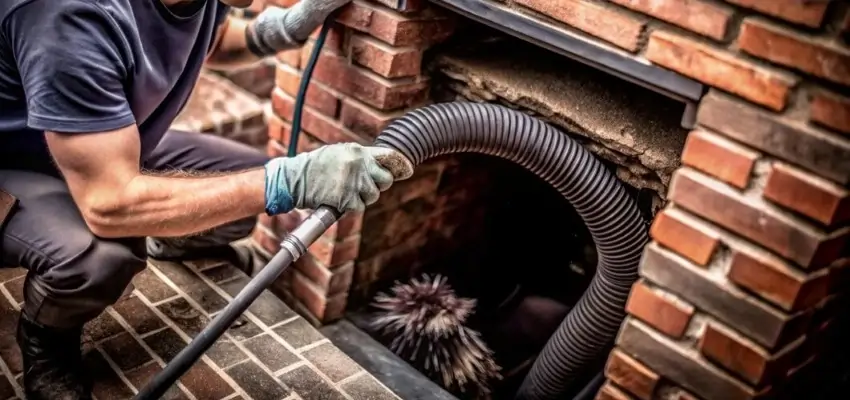
Clearer draft, cleaner flue: Chimney Cleaning for Port Moody homes

Due for Chimney Sweep service? Book ahead in Port Moody
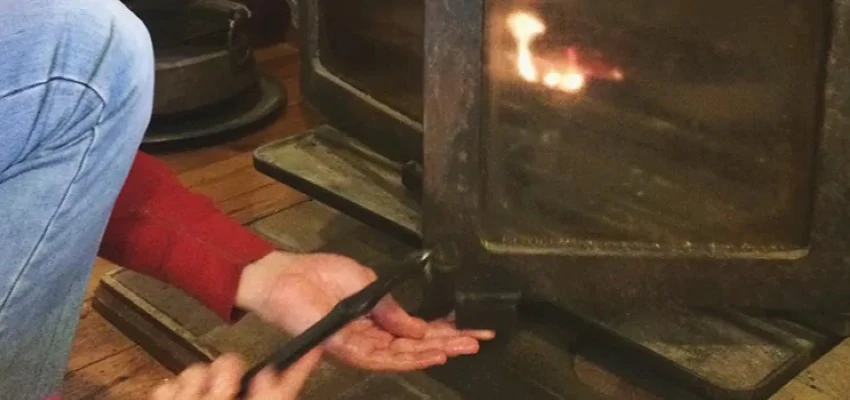
Complete Chimney Sweep Services for Port Moody homeowners

Smoke backing into the room? Call Fireplace Experts in Port Moody
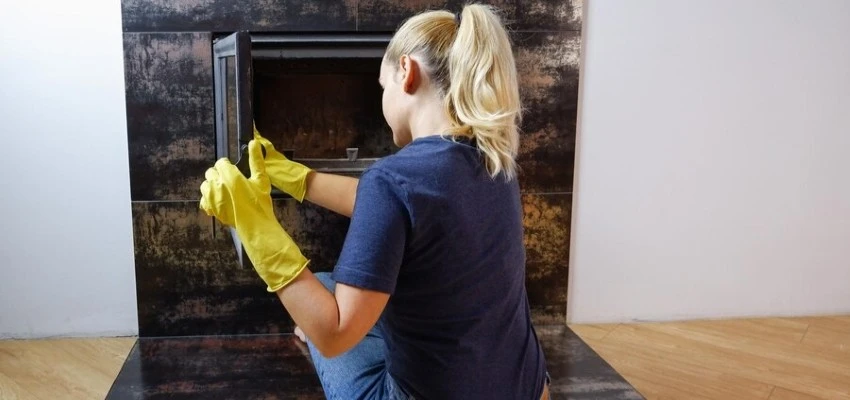
Control area vacuumed during Gas Fireplace Cleaning
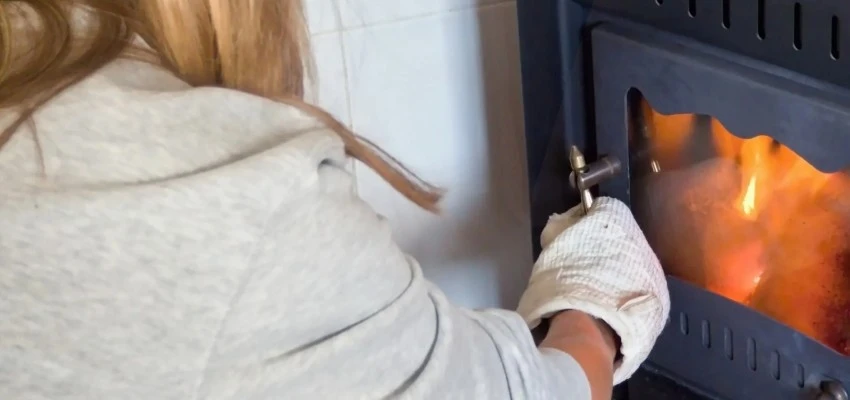
A record of every Gas Fireplace Maintenance visit

