
Fill in the form below with your contact details and a short note, and we will prepare a quote for Chimney Repair Near Me Port Moody
Most chimney damage starts small. A hairline crack, a gap in a seal or a sticky part rarely looks urgent, and for a while it may not be. Water and heat are patient, though, and small faults tend to grow. This page is for anyone in Port Moody who has been searching for “chimney repair near me” and wants to understand chimney repair before a minor issue turns into a major one, with clear answers on signs, process, timing and choosing who does the work.

Most chimneys can be repaired, and a rebuild only makes sense when the structure itself is no longer sound. Repairs cover jobs like replacing damaged bricks, repointing worn mortar, building a new crown or resealing flashing. A partial or full rebuild comes into play when the chimney leans, when many bricks are crumbling at once, when mortar has failed deep inside the stack or when the top courses move by hand. The usual approach is to save whatever is solid and rebuild only the section that cannot be saved, which is often the part above the roofline.
Stains, debris and stiff moving parts inside the house are usually the first signs, long before anything looks wrong from the yard. A water mark on the ceiling beside the chimney, a musty smell when it rains, flakes of tile or mortar in the firebox and a damper that has gone stiff all point to something above. Outside, white chalky deposits on brick tell us water is moving through the masonry, and dark streaks below the cap or chase cover suggest rust. Smoke that hangs at the fireplace opening points to a draft problem. We trace each clue back to its source before suggesting any repair.
Not every repair needs the roof, and when one does, we plan safe access before we arrive. Work at the top of the stack means ladders, roof brackets or harnesses tied to a secure anchor, plus soft-soled footwear and pads to protect shingles. Steep or high roofs may call for extra equipment or a second technician. Wet, icy or very windy weather puts roof work on hold, because no repair is worth a fall. Jobs at the bottom of the chimney, such as an ash dump, a throat damper or a stove connection, keep us indoors, where the main concern is protecting floors and furniture from soot and dust.
Small chimney repairs, such as replacing a cap, sealing a crown or freeing a damper, often take a few hours. Mid-sized jobs like new flashing, a new chase cover or a fan installation usually fit into a day. Larger masonry work, including repointing an entire stack or rebuilding the section above the roof, can take several days, because mortar and concrete need time to set between stages. Weather adds to the schedule for anything done outside, since rain and cold delay masonry. Ask for an estimate of both working time and total calendar time before the job is booked.
When booking chimney repair, describe what you have noticed and where, because those details shape the visit. Mention whether the chimney is brick, stone or a factory-built system in a framed chase, what it serves, such as a wood fireplace, gas fireplace, stove or furnace, and roughly how tall the house is. Say when the problem started, whether it gets worse with rain or wind and whether anything has been repaired before. Pictures of the chimney from the ground and of any stains or damage inside help the company bring the right parts and give a realistic time estimate.

A search for “chimney repair near me” is a sensible start, but narrow the results with a few checks. Look for companies that list your town or neighborhood and describe chimney repairs specifically, not only sweeping. Call two or three and ask what they need to know before giving a figure; good ones ask about the chimney type, the roof and what you have noticed. Read recent reviews for comments on punctuality and clean-up. Ask whether they can look at the chimney soon, even if the repair itself has to wait for suitable weather. Clear answers on the phone are a good sign.
Local crews know the chimneys in the area, and that knowledge saves time and guesswork. Working the same streets season after season, we learn which subdivisions have tall chimneys on steep roofs, which builders used flat chase covers that rust and which older districts still have original clay liners. That history makes the first diagnosis faster and quotes more accurate. Being close by also means we can come back to check a repair after heavy rain without it becoming a major trip. When you call Chimney Sweep Port Moody, you reach people who work on chimneys around Port Moody every week.
Compare the scope first, because most differences we see between quotes come from what is included, not from skill. One company may plan to coat a cracked crown; another may rebuild it. One includes new flashing; another reseals the old metal. Before choosing, line the quotes up and ask each company the same three questions: what exactly is being fixed, what is causing the problem and what is the plan if more damage turns up. The answers usually explain the price gap. A quote that deals with the cause, not just the symptom, generally gives more value over time, even when it is not the lowest figure on the table.
Yes, and that is a common reason people call. Home inspectors often note a chimney concern, such as cracked mortar, missing flashing or no cap, and recommend a closer look by a chimney professional. A local company can inspect the specific items, explain which ones matter and provide a written quote that buyers and sellers can use in negotiations. Timelines during a sale are tight, so mention any deadlines when booking. If you searched for “chimney repair near me” with an inspection report in hand, send a copy ahead of the visit so the technician can focus on those notes.

Use the short form to tell us what you need and when you are available. We confirm the details with you before anything is scheduled. Open the quote form and Chimney Sweep Port Moody will be in touch about chimney repair for your home.
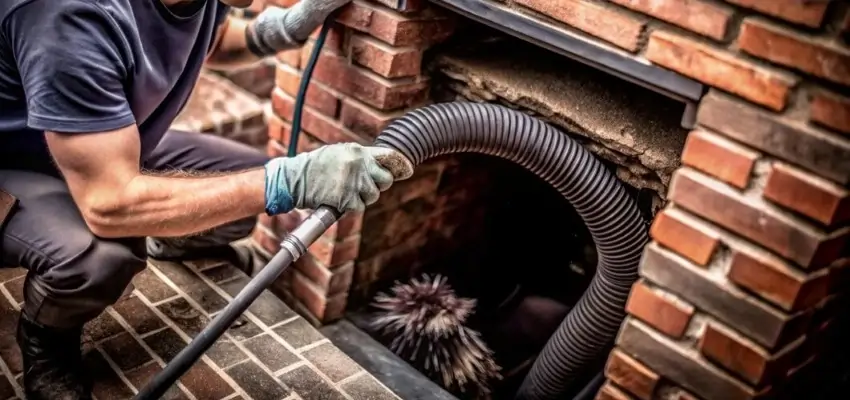
Clearer draft, cleaner flue: Chimney Cleaning for Port Moody homes
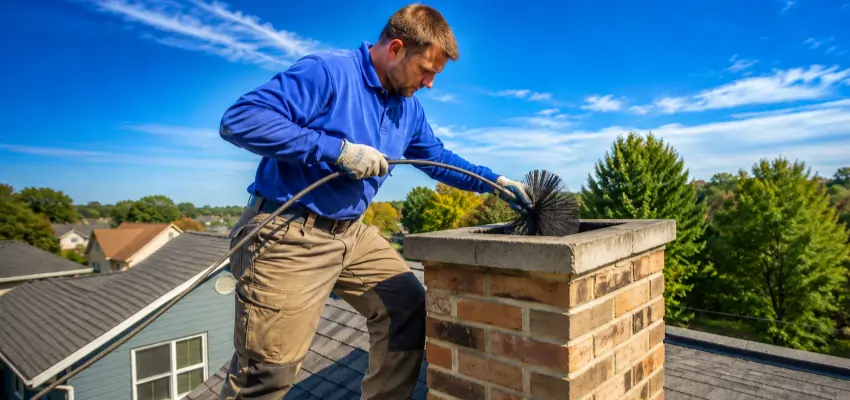
Due for Chimney Sweep service? Book ahead in Port Moody
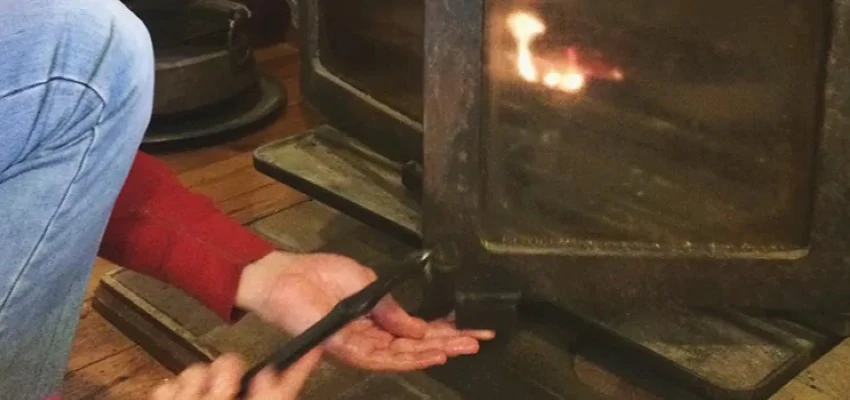
Complete Chimney Sweep Services for Port Moody homeowners

Smoke backing into the room? Call Fireplace Experts in Port Moody
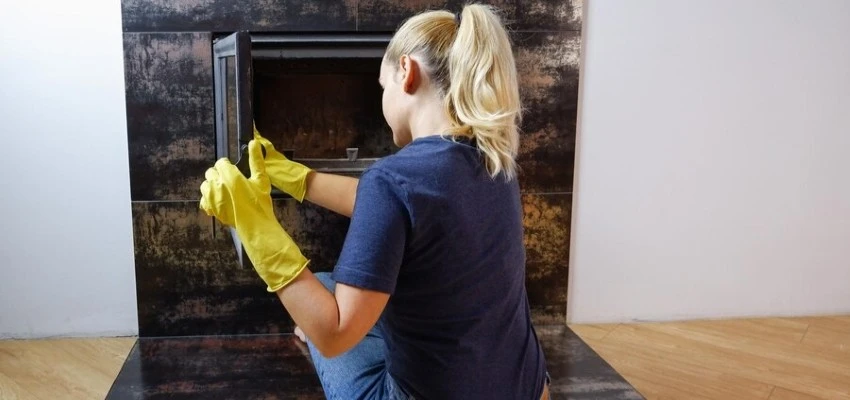
Control area vacuumed during Gas Fireplace Cleaning
A record of every Gas Fireplace Maintenance visit

