
Fill in the form below with your contact details and a short note, and we will prepare a quote for Chimney Saver Port Moody
A chimney is part of how a house looks from the street and part of how its fireplace or stove works inside. Good chimney waterproofing respects both. For people in Port Moody who have been searching for “chimney saver”, the answers below explain what the work involves, what affects the result and how to keep the chimney sound for years once the crew has packed up and gone.

Signs fall into three groups, and the second one is the most urgent. Water clues: stains, a musty smell after rain, bricks that stay dark long after a storm. Heat and smoke clues: draft that has weakened, smoke in the room, an odor in the walls beside the flue, a chimney fire you heard roar. Structural clues: a loose pot, cracked tiles dropping into the firebox, a top that looks out of line. Any of these is reason enough for a closer look, and with heat and smoke clues the appliance should stay cold until the chimney has been checked.
Watch how the brick behaves when it rains. If sections stay dark long after a storm, if white powdery deposits keep appearing on the face or if bricks near the top are flaking, the masonry is absorbing more water than it should. Damp patches or a musty smell inside near the chimney point the same way. A quick test is to spray a little water on dry brick: if it soaks in almost immediately, the surface has little protection left. These signs also call for checking the crown, cap and flashing, so chimney waterproofing is usually part of a wider plan.
A careful crew protects your home by covering the hearth and nearby floor, sealing the fireplace opening when soot or dust could escape and using vacuums with fine filters for any debris. Outside, tarps go over shrubs, decks and roof sections where tools or materials sit, and ladders are padded where they touch gutters or siding. Some jobs create very little mess, while others, such as removing old flue tiles, produce more. Ask what protection is planned for your job, and move valuables and furniture away from the fireplace before the crew arrives.
A common guideline is a professional check once a year, often before the season when the fireplace or stove is used most. Chimneys that serve wood-burning appliances, have had recent work or face harsh weather benefit most from that yearly rhythm. Extra checks make sense after a storm, a chimney fire, a roof replacement or any change to the fireplace or appliance. Even a chimney that is rarely used should be looked at, because weather, animals and settling affect it whether or not you light fires.
Some chimney work can be done in almost any weather, but masonry, crown work and water repellents need mild, dry conditions. Mortar and concrete should not freeze while they cure, and coatings need dry brick to soak in properly, so those jobs are usually planned for spring through fall. Liner installation, pot fitting and some interior work are less sensitive, though roof access still depends on ice, wind and rain. Booking ahead of the cooler months gives the widest choice of dates. If the forecast turns, a careful company will reschedule rather than rush.

We need three things from you: a cold appliance, a clear path and good information. Cold means no fire or stove use for a day or so, so we can work in the flue safely. A clear path covers the hearth, the route through the house and the ground where ladders go. Good information includes gate codes, where the attic hatch is, any pets at home and anything fragile on the roof, such as skylights. With those sorted, setup goes quickly and the crew can spend its time on the chimney rather than moving patio chairs.
Repairs and dry weather come first. Cracked crowns, failed mortar joints, loose flashing and damaged bricks should be fixed, since a repellent cannot seal gaps. New mortar needs time to cure before it is coated, so ask your contractor how long to wait. The masonry is then cleaned of dirt, moss and loose deposits and allowed to dry thoroughly, often for a day or more after rain. Nearby windows, siding and plants are protected from overspray. If you are booking “chimney saver” work, plan it for a stretch of mild, dry days.
Homeowners can safely handle the watching and the basics, while anything on the roof or inside the flue belongs with a professional. Safe tasks include burning only dry, seasoned wood, keeping the hearth clear, opening and closing the damper to check it moves, looking at the chimney from the ground with binoculars and checking walls and ceilings near the chimney after storms. Do not climb onto the roof, apply sealers yourself, work on liners or touch gas appliance venting. A carbon monoxide alarm on each level of the home is a simple, important step.
We would hire the company that asks the most useful questions. A contractor who knows chimneys wants to know the material, the height, the appliances and the history before naming a figure. On site, it should go up, look inside the flue and come back with photos. It should tell you what it will not do as clearly as what it will. Ask how it handles surprises mid-job and who will be on the roof. Companies that work in your area every week can also tell you what tends to fail on homes like yours, which is useful insight in itself.

Whether you want to book now or just gather information first, we are glad to help. Ask your questions about chimney waterproofing, your chimney or the timing that suits you. Contact Chimney Sweep Port Moody for homes across Port Moody.
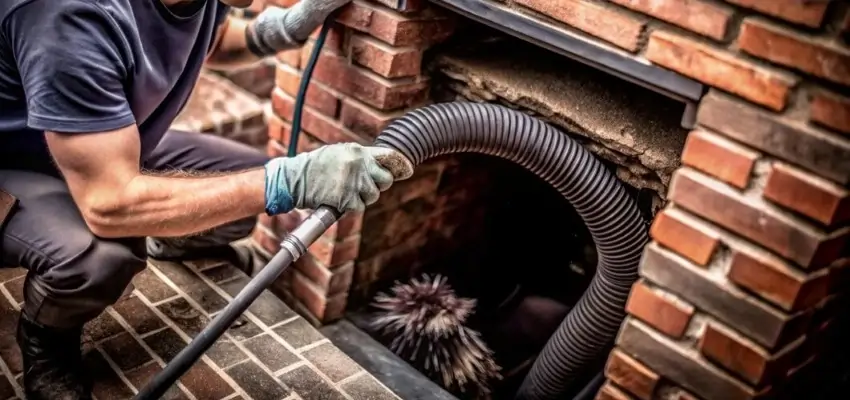
Clearer draft, cleaner flue: Chimney Cleaning for Port Moody homes

Due for Chimney Sweep service? Book ahead in Port Moody
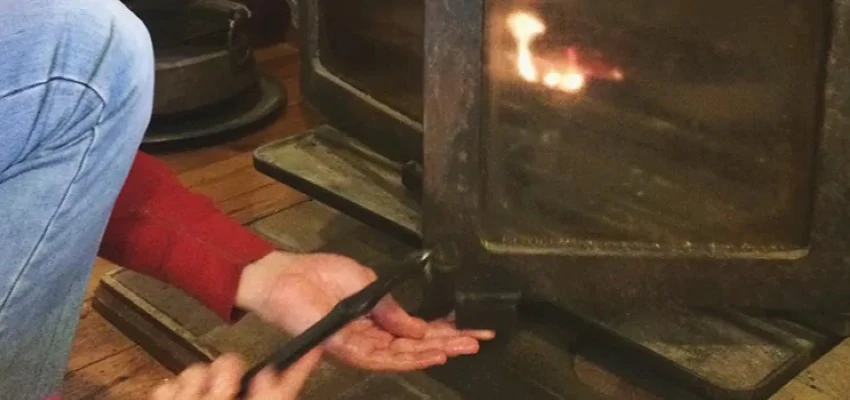
Complete Chimney Sweep Services for Port Moody homeowners
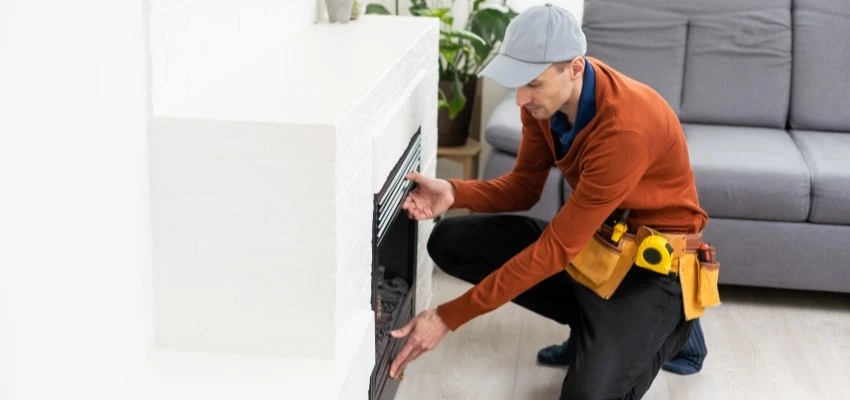
Smoke backing into the room? Call Fireplace Experts in Port Moody
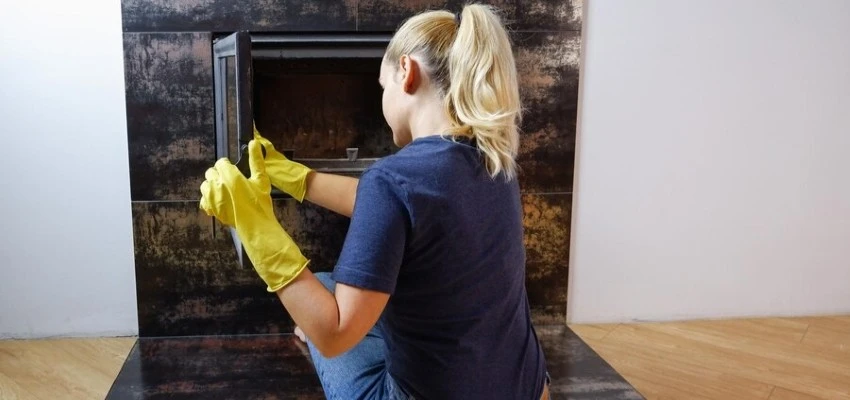
Control area vacuumed during Gas Fireplace Cleaning
A record of every Gas Fireplace Maintenance visit

