
Fill in the form below with your contact details and a short note, and we will prepare a quote for Clogged Air Duct Cleaning Port Moody
Duct cleaning is easy to book and hard to judge, because almost none of the work happens where you can watch it. A little background changes that. The questions here are the ones people in Port Moody tend to raise after searching for “clogged air duct cleaning”, answered by crews who open duct systems every week, with plain notes on what careful duct cleaning looks like from start to finish. It is meant to be useful whether or not you end up hiring anyone.

Dirty ducts can add to household dust, and cleaning them helps most when they hold a lot of loose debris, but ducts are only one source of dust in a home. Heavily coated ducts, or ducts that pulled in dust during a renovation, can push some of it back out each time the fan starts, so clearing them often means less dust circulating. Most everyday dust, though, comes from people, pets, fabrics and outdoor air. A filter that fits snugly, regular vacuuming and sealing obvious gaps in return ducts make as much difference as the cleaning itself. Expect an improvement, not a dust-free home.
A musty smell from the vents usually points to moisture somewhere in the system, and it is worth tracking down. Common sources are a cooling coil and drain pan that do not drain properly, ducts sweating in a humid crawlspace or attic, and return ducts pulling in damp air through gaps. Dust that has soaked up moisture can smell stale too. Check that the condensate drain is flowing and the filter is dry, and look for water stains around the furnace or air handler. If you see dark growth inside a duct or on the coil, have a professional look at the system before any cleaning, because the moisture problem has to be fixed first.
Both leave a room short of air, but the clues differ. A clog usually leaves some airflow at the register, often weak or uneven, and you may see debris when you remove the cover. A disconnected duct often gives almost no airflow at that register at all, while the attic, crawlspace or basement near the break feels unusually warm or cool, and dust may appear around that space. Hold a tissue to the register with the fan on to compare rooms. A technician called out for “clogged air duct cleaning” can use a camera to confirm which problem it is before any work starts.
Once a dusty project is finished, cleaning the ducts is a sensible final step, since much of that dust ends up inside them. Sanding drywall, cutting tile, refinishing floors and tearing out plaster all send fine particles into the air, and a running system draws them into the returns. Drywall dust is especially hard on filters and the blower. During the work, cover the registers, shut the system off when you can and change the filter more often. When the last sanding is done, book the cleaning before furniture goes back and you settle in, so the debris left behind does not keep circulating.
Access openings are sometimes needed, and every one should be sealed before the crew leaves. Many cleanings need one or two in the main trunk to connect the vacuum or to reach a section that cannot be cleaned from the registers. That is a normal part of the work when it is done properly. Each opening should be closed with a metal patch or a purpose-made plug, sealed so it does not leak air, and placed where it can be reached again for the next cleaning. Ask before the visit where openings might go and how they will be closed, and check them yourself before the crew leaves.

Most blockages are reached through the existing openings. The technician first finds it, often with a camera fed in from the nearest register, then works toward it with retrieval tools, brushes or air-driven heads while the collection unit pulls loosened material out. Large items may be hooked and pulled back the way they came. If the blockage sits in a crushed section of flexible duct, cleaning will not fix it and that piece is usually replaced, sometimes through an attic or crawlspace access rather than the wall. Ask before anyone cuts into drywall during a visit for duct cleaning.
For an average house with one furnace or air handler, duct cleaning usually takes a few hours. Smaller homes and condos can be quicker, while large homes, two or more systems, many registers, tight attics or crawlspaces, and heavy debris all add time. Extras such as coil cleaning or a dryer vent stretch the visit further. Plan to be home from start to finish and keep the morning or afternoon free rather than squeezing it between other appointments. For a closer estimate, give the company your square footage and a count of supply and return vents when you call.
A faint amount right after the visit is normal, and it usually comes from the room side: dust stirred up while covers were off and furniture moved, which the system then cycles through the filter. Heavier dust that continues tells us something else. Common causes are a branch that was not reached, a filter slot leaking around the edges, a return duct pulling from an unfinished space or a register boot that is not sealed to the floor. We would want to hear about it and come take a look, because the point of the cleaning is less dust circulating, not more.
The biggest red flag is a very low whole-house price that grows once the crew is inside, often through charges for returns, trunk lines or a long list of extras. Other warning signs include claims that cleaning will fix health problems, pressure to buy sprays or coatings before anyone has looked inside the ducts, refusal to show before-and-after results, and a crew that only vacuums at the registers without connecting to the main duct. Ask for the full scope and price in writing before work starts, and do not let anyone rush your decision on the doorstep.

We protect the work area, clean up before we leave and tell you what we found in words that make sense. You end the visit knowing the state of your air ducts. Book duct cleaning with Chimney Sweep Port Moody when it suits you.
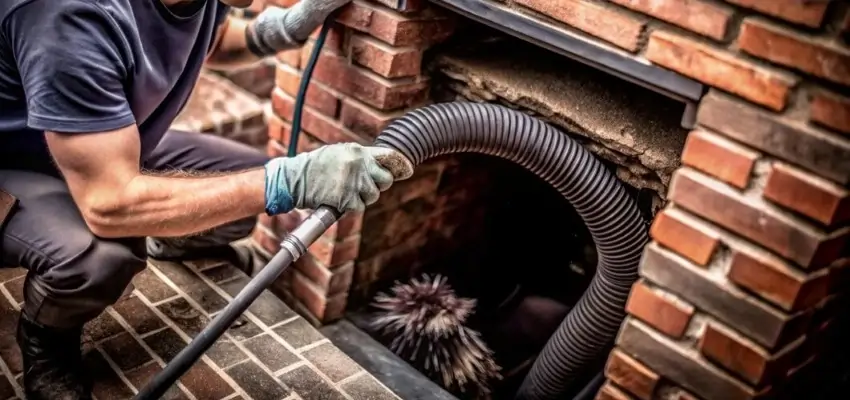
Clearer draft, cleaner flue: Chimney Cleaning for Port Moody homes

Due for Chimney Sweep service? Book ahead in Port Moody
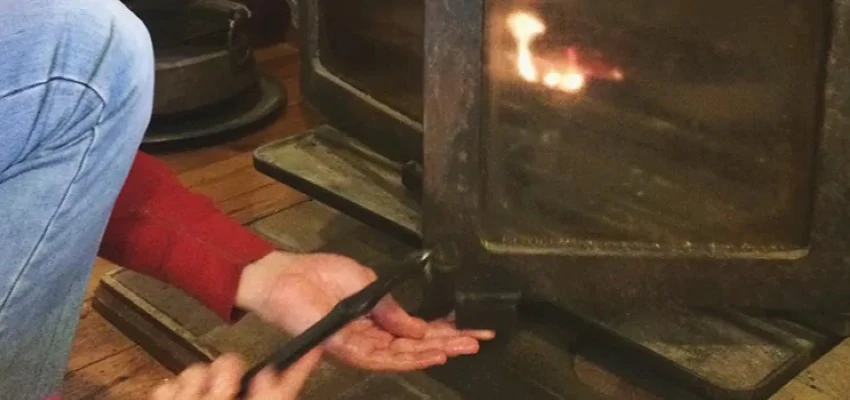
Complete Chimney Sweep Services for Port Moody homeowners

Smoke backing into the room? Call Fireplace Experts in Port Moody
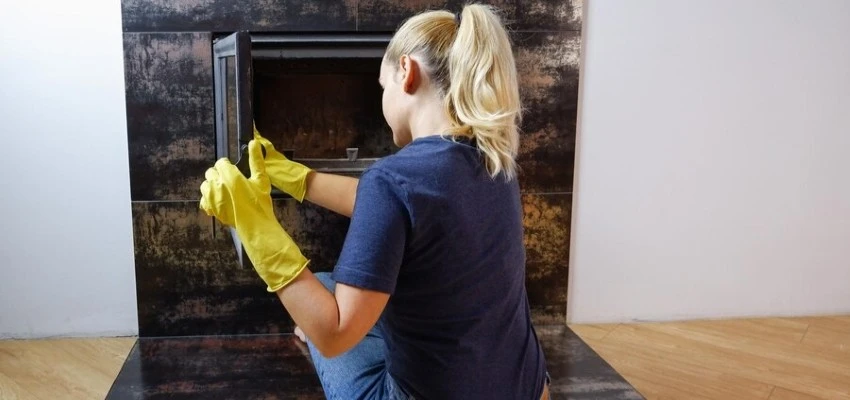
Control area vacuumed during Gas Fireplace Cleaning
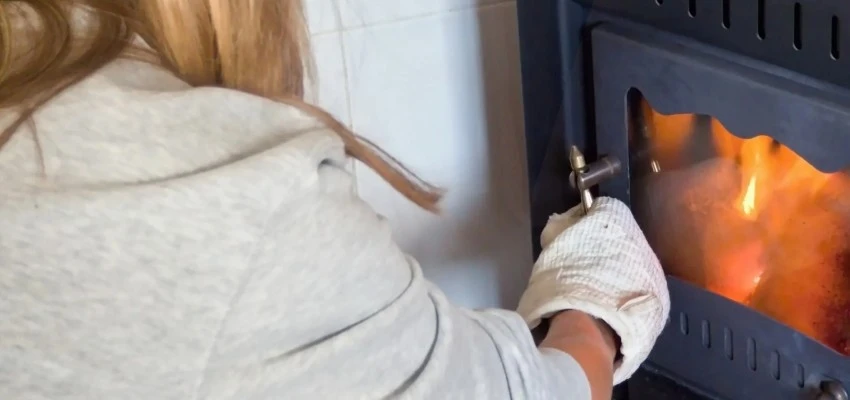
A record of every Gas Fireplace Maintenance visit

