
Fill in the form below with your contact details and a short note, and we will prepare a quote for Clogged Dryer Vent Cleaning Port Moody
Towels that need a second trip through the dryer are often the first hint that something is off behind the machine. Many homeowners in Port Moody start by searching for “clogged dryer vent cleaning” and find more opinions than answers. The practical side of clogged dryer vent cleaning is simpler than it sounds. The first thing worth checking is usually the hose behind the machine, since a crushed or kinked bend there slows drying on its own. If the hose looks fine and the outside flap barely lifts while the dryer runs, the restriction sits somewhere along the duct.

Yes, a badly restricted vent raises the chance of a dryer fire, although most clogged vents never reach that point. What concerns us is a combination: lint packed into the duct, a cabinet that feels hot and a dryer that has been cycling on its high-limit switch for months. Crushed foil or plastic connectors behind the machine make things worse because they hold lint right where the air is hottest. When we clear a vent like that, we also check the connector and the outside hood, since an open path from end to end is what keeps temperatures where the manufacturer intended.
Rigid metal is the safer pick, and in the field the duct material also tells us a lot about how a vent has been treated. Rigid aluminum or galvanized pipe with taped joints usually comes out with a light, even film of lint. Accordion foil tells a different story: lint packs into every fold, low spots sag and hold moisture, and the hose is often squashed flat against the wall. For the short link behind the dryer, a semi-rigid metal transition is a reasonable compromise because it bends without collapsing. For the run through walls and ceilings, we prefer solid metal pipe wherever the layout allows it.
Long drying times come down to airflow. A dryer heats air, pushes it through the tumbling clothes and has to dump that wet air outside so fresh air can take its place. When lint narrows the duct, moist air lingers in the drum and the clothes stay damp. We can measure the difference on the job: air at the hood is weak before cleaning and noticeably stronger after. If airflow turns out to be good and drying is still slow, we look elsewhere, such as the washer’s spin speed, a failing heating element or a moisture sensor that needs an appliance technician.
The clearest sign of a clogged dryer vent is laundry that takes longer to dry than it used to. Other clues tend to show up alongside it:
One sign alone may have another cause, but two or three together usually point to a restricted vent that deserves a proper check.
We clean roof vents from the laundry side first and finish at the cap, and they are some of the most packed vents we see. Lint travels up the vertical section, loses speed and falls back, so it builds in layers near the bottom of the riser and again at the cap. Many roof caps were never designed for dryers and have small openings or screens that collect lint quickly. Our rods have to be long enough for the full rise, and we only go up to the cap when the weather and pitch make it safe to be on the roof. Sometimes we suggest a cap made for dryer exhaust, which stays clear much longer.
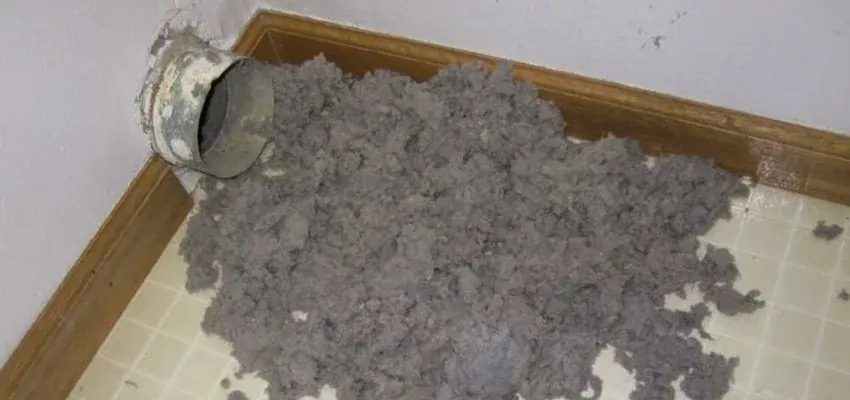
A heavy clog usually has to be broken up in stages rather than pushed out in one go. The technician typically detaches the dryer, works out how far the blockage sits from each end and advances toward it with a rotating head while strong suction pulls the loosened material away. Driving a solid plug the full length of a long run can jam it at an elbow, so working from both ends is common. Once air moves again, the duct is brushed a second time to remove the remaining coating. Anyone booking “clogged dryer vent cleaning” should expect a longer visit than a routine cleaning.
It is wise to cut back. If the vent is clearly blocked, with almost no air at the outside opening, a hot cabinet or a burning smell, stop using the dryer until the blockage is removed. If the signs are milder, such as loads taking a bit longer, run small loads on lower heat, stay home while it runs and empty the screen every time. Hang heavy items like towels and jeans to air-dry for now. These steps reduce strain on the machine while you wait for clogged dryer vent cleaning, and they cost nothing.
During the visit, it is easiest to keep pets and young children in another room. Technicians move the dryer, use long rods and run powerful vacuums, so the laundry area becomes a busy workspace for a while. The noise can unsettle dogs and cats, and an open outside door is an easy escape route. A closed door or a baby gate works well. Let the company know if you have a pet that gets anxious with visitors, and if you need to step away, tell the technician which doors should stay closed.
The flap is a simple one-way valve, and it tells you a lot in a few seconds. With the dryer running, we expect it to lift firmly and stay up. A flap that flutters weakly suggests restricted airflow somewhere upstream. When the drum stops, a healthy flap drops shut so cold air, rain and pests stay out. Lint on the hinge is the usual reason one sticks. We also look for warping and for a housing that has pulled away from the wall. A quick look every few months is one of the easiest checks a homeowner in Port Moody can make.
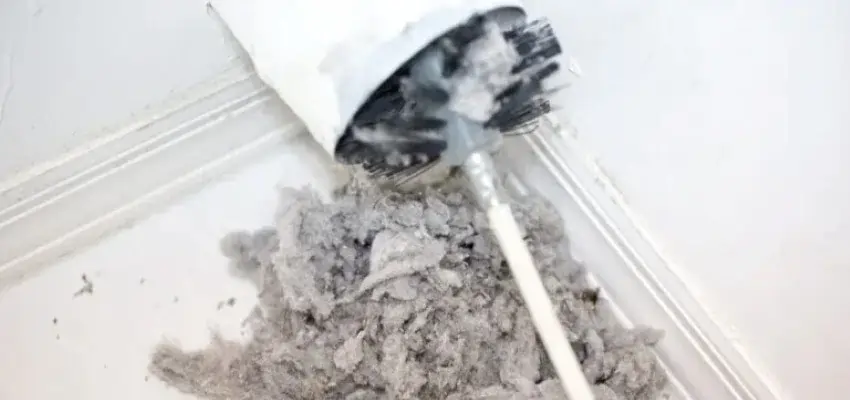
Sometimes the most useful thing is simply knowing whether there is a problem at all. A visit from Chimney Sweep Port Moody gives you that answer, along with practical advice for keeping things in order. Call (778) 719-4866 to set one up.

Clearer draft, cleaner flue: Chimney Cleaning for Port Moody homes

Due for Chimney Sweep service? Book ahead in Port Moody

Complete Chimney Sweep Services for Port Moody homeowners

Smoke backing into the room? Call Fireplace Experts in Port Moody

Control area vacuumed during Gas Fireplace Cleaning

A record of every Gas Fireplace Maintenance visit