
Fill in the form below with your contact details and a short note, and we will prepare a quote for Cracked Fireplace Bricks Repair Port Moody
A fireplace is often the centerpiece of a room, which is why changes to it deserve some thought. Whether you are looking up “cracked fireplace bricks repair” to refresh a tired surround or to deal with damage you spotted inside the firebox, the answers below explain the work in everyday terms for homeowners in Port Moody. You will find what firebox brick repair usually involves, what affects cost and timing and which parts of the job belong to specialists.

Firebricks crack mainly from repeated heating and cooling, which expands and contracts the brick every time a fire burns. Very hot fires, fires built against the back wall, water from a leaky chimney and logs dropped onto the floor speed it up. Hairline surface cracks are common and often harmless, but cracks that go through the brick, loose or missing pieces and eroded mortar joints let heat reach the masonry and framing behind the firebox. Those need repair before the next fire. A technician can tell you which cracks are cosmetic and which are structural.
That depends on the kind of crack. Fine hairline cracks on the surface of a firebrick that is still tight in its wall are common, and many fireplaces run safely with them while you keep an eye on them. Cracks that run all the way through a brick, pieces that have fallen out, bricks that wobble and mortar joints you can scrape out are different: they open a path for heat toward the masonry and framing behind the firebox. Stop using the fireplace if you see those, and have it checked. When you research “cracked fireplace bricks repair”, photos of the firebox walls in good light help a technician judge the damage.
We repair a firebox brick by brick before considering a rebuild. Joints are raked back to sound material and refilled with refractory mortar, pressed in tight so no voids remain. Damaged firebricks are chiseled out without disturbing their neighbors, and new ones are set to match the pattern. Surface flaking on an otherwise sound brick can sometimes be left alone. If a whole panel has shifted or the back wall leans toward the fire, we rebuild that section, which is still far less work than a new firebox. Patching compound smeared over cracks is not a lasting repair, so we avoid it.
The working time is usually shorter than the calendar time. A damper or firebrick repair may take a few hours, and a surround can be refaced in a few working days, but mortar and adhesives need curing time and gas work needs scheduling and testing. Materials are the other variable: custom stone, a made-to-order mantel or an insert can take weeks to arrive. We give homeowners two dates when we plan: when work starts and when the fireplace can be used again. For most families the second date matters most, especially heading into the colder months.
Often they can. When the damage is limited to a handful of bricks, a mason cuts out the cracked ones, cleans the cavity and sets new firebricks in refractory mortar, leaving the rest of the wall untouched. The new bricks will look cleaner than their neighbors at first, but soot evens out the color after some use. This targeted approach is usually quicker and less disruptive than rebuilding a wall. If you are comparing quotes for “cracked fireplace bricks repair”, check whether the price covers individual bricks, repointing the surrounding joints or both, since loose joints often travel with cracked bricks.

The ideal start is an empty room around a cold fireplace. We need space to set up dust protection, a route for heavy materials such as stone or a mantel and somewhere to mix or cut outside. Take down pictures or a TV mounted above the opening, since vibration from chipping can loosen them. Let us know about alarms, pets and parking. If a gas line is involved, the gas technician may need access to the meter or the basement. Final finish choices, like grout color or stain, should be settled before day one so the job does not stall.
Ask the contractor for a specific date, because it depends on the materials used. Mortar, refractory cement and some adhesives need time to cure before they face heat, and lighting a fire too soon can crack fresh joints or loosen new finishes. After masonry work, the first fires are usually kept small to drive out remaining moisture gradually. Gas conversions are tested by the installer before handover. Keep the first few fires modest, watch for smoke in the room and make sure your smoke and carbon monoxide alarms work.
Compare quotes line by line rather than by the total. Each should describe the same scope: what is removed, what is repaired, what new materials go in and who handles any gas, liner or venting work. Look for the material types, the finish details, protection and cleanup, disposal of old materials and any permit costs. Check how hidden damage would be priced if it turns up. A quote that looks much lower may simply leave out repairs another contractor included. Ask each company to explain anything vague before you decide.
Local contractors know the housing stock, the common fireplace designs and the suppliers nearby, which makes planning and follow-up easier. Builders in the same neighborhoods often used similar fireboxes, dampers and surrounds, so a company that works the area has usually seen your setup before. Nearby crews can also return quickly when a project spans several visits for curing or materials. Before hiring, confirm the company works in your area directly, ask for local examples of similar work and check how it handles questions after the job is done.

A good visit looks at the whole system around your fireplace, not just the part you asked about. That is how Chimney Sweep Port Moody approaches every home in Port Moody. Book firebox brick repair and get a complete, honest overview of where things stand.
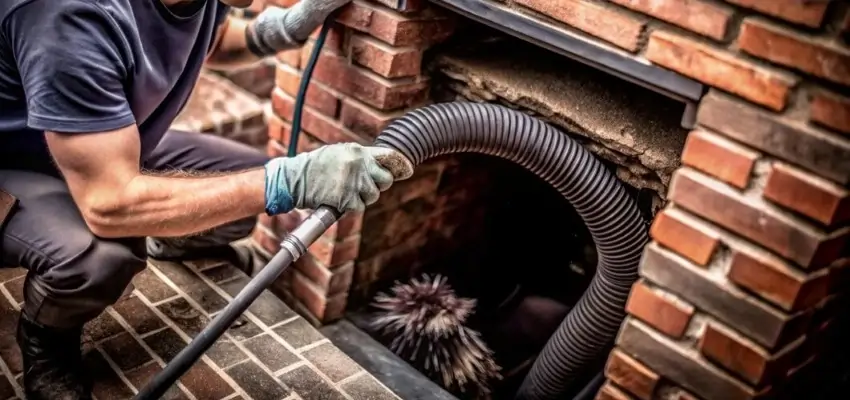
Clearer draft, cleaner flue: Chimney Cleaning for Port Moody homes

Due for Chimney Sweep service? Book ahead in Port Moody
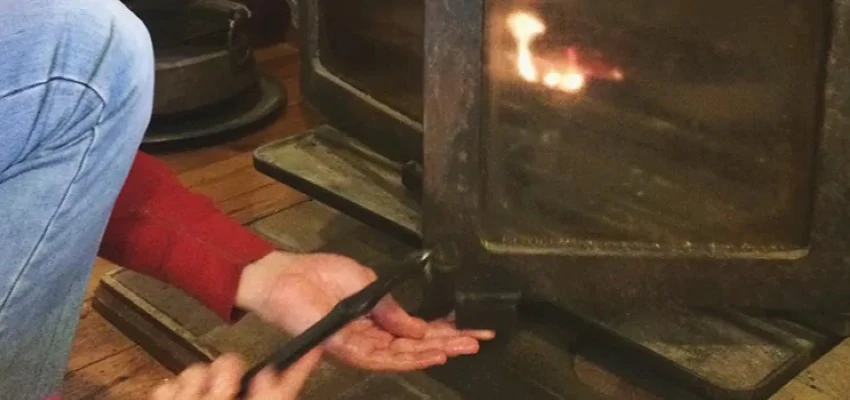
Complete Chimney Sweep Services for Port Moody homeowners
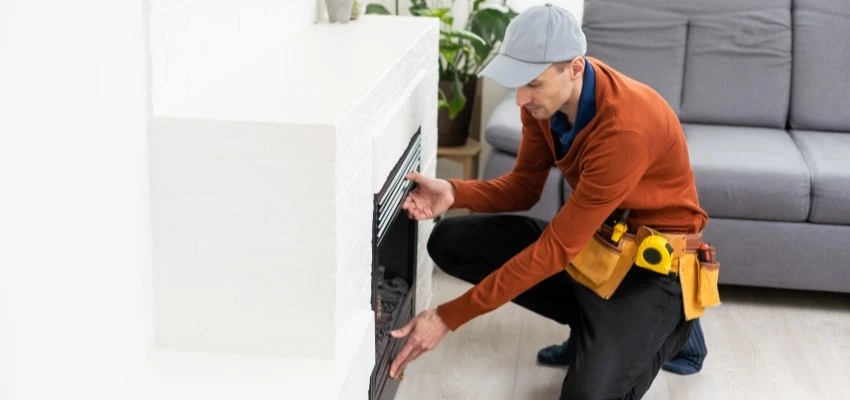
Smoke backing into the room? Call Fireplace Experts in Port Moody
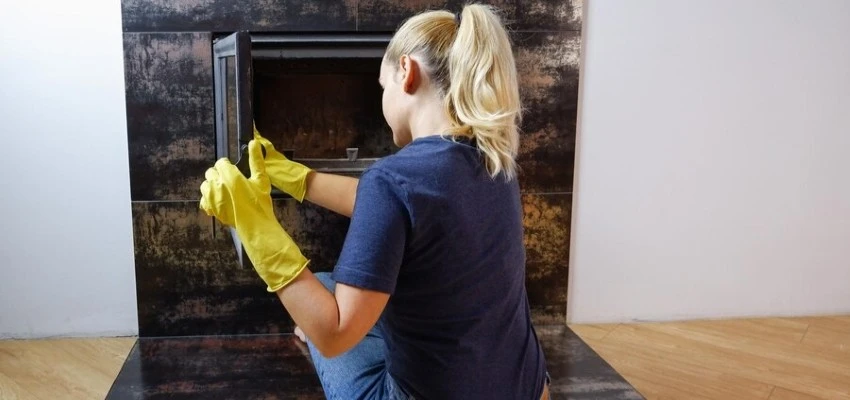
Control area vacuumed during Gas Fireplace Cleaning
A record of every Gas Fireplace Maintenance visit

