
Fill in the form below with your contact details and a short note, and we will prepare a quote for Dryer Vent Inspection Port Moody
Clear information gets surprisingly hard to find once you look up “dryer vent inspection”. Some sources make every dryer sound like a hazard, while others suggest the lint screen is all that matters. For most homes in Port Moody, the truth sits somewhere in between. The answers here explain how a dryer vent works, why lint collects where it does and what dryer vent inspection actually changes, so you can decide what your household needs.

Get the nest removed and the duct behind it cleared before the next load; we pull nests out of dryer vents more often than most people expect. Birds like the warmth and shelter of a hood whose flap is stuck open or missing, and a low wall vent near a deck or roofline is an easy target. Mice and other small animals sometimes move in too. The nest itself is only part of the job, because the debris usually pushes a plug of lint back up the duct. After clearing it, we confirm the flap closes on its own and recommend a guard style that discourages nesting without trapping lint at the opening.
Trapped moisture almost always means the exhaust is moving too slowly, and it is one of the more useful clues we get. Every load of wet laundry releases a surprising amount of water as vapor, and all of it has to travel through the duct. If the air slows down, it cools before it gets out, and the water drops out inside the pipe. We find this most in long runs through unheated attics, garages and crawlspaces, and in ducts that sag and let water pool. Wet lint turns into a paste that blocks airflow faster than dry lint does. Correcting the slope, insulating exposed sections and clearing the buildup usually solves it.
A dryer vent that ends on the roof is cleaned the same basic way as a wall vent, but it usually takes more time and needs roof access, so it is a job to leave to a professional. The technician typically cleans from inside first, then goes up to clear the roof cap, which often has a lint-clogged screen or a flap that has stuck. Roof vents tend to clog faster because the air has to push lint upward over a longer run. If your dryer vents through the roof, mention it when you book so the right ladders and rods come along.
At Chimney Sweep Port Moody, our process follows the air. We start at the dryer, checking the outlet and the transition, then work along the duct with a flexible rod and a brush head sized to the pipe while a vacuum or blower carries the debris away. Tight elbows get extra passes because that is where lint compacts. At the exterior we clear the hood and make sure the flap moves freely. Before and after cleaning, we test airflow at the termination, which gives us a simple way to show the improvement. If we spot damage along the way, we point it out rather than quietly working around it.
A common guideline is to have a dryer vent cleaned about once a year, though some homes need it more often and some can go a little longer. Large households doing laundry every day, homes with pets that shed and vents with long runs or roof exits usually fall on the more frequent side. A short, straight vent in a home with light laundry use may stay clear longer. The simplest rule is to watch drying times: if a normal load starts taking noticeably longer than usual, the vent is probably due, whatever the calendar says.

Most of our dryer vent visits fit into an hour or so, and the variation comes from the vent rather than the dryer. A short wall vent with light buildup goes fairly quickly. A long ceiling run, a roof termination that needs a ladder setup or a duct packed solid takes longer, and so does any repair we agree on during the visit. We build in a few minutes at the start to look at the route and a little time at the end to test airflow and go over what we found, so you are not left guessing about the result.
It can be a smart step. Home inspectors working for buyers often comment on dryer vents, flagging foil hoses, missing hoods or vents that end in the wrong place. Finding those issues first lets you fix them on your schedule instead of negotiating them later. A pre-sale “dryer vent inspection” visit also gives you a written record to share with buyers, which shows the home has been looked after. If the vent needs cleaning or a small repair, it is usually quick to handle before listing. Buyers can benefit too, by asking for an inspection as part of their due diligence.
We love meeting pets, but we would rather they watch from a closed room. Our equipment includes hoses across the floor, a rotating brush that spins at high speed and a vacuum loud enough to frighten most animals. Children are naturally curious about where the lint comes out, and the brush end can whip when it exits the outside hood. A quick check at the start of the visit, to confirm which doors stay shut, solves all of that. Pet hair also tells us something useful: households with heavy shedders tend to need vent cleaning more often.
A useful report describes your vent in plain terms. It should note the duct material, the approximate length and number of bends, where the vent ends outside and the condition of the connector, joints and hood. It should record airflow, or at least whether it was strong or weak, and list anything that needs attention, ranked by importance. Photos help, especially of hidden sections seen through a camera. The report should end with clear recommendations, such as cleaning now, repairing a joint or planning a reroute, so you know what to do next and when.

Sometimes the right call is a small fix, sometimes a bigger job and sometimes nothing at all. We tell you which one applies to your dryer vent and why. Ask Chimney Sweep Port Moody for advice and decide in your own time.
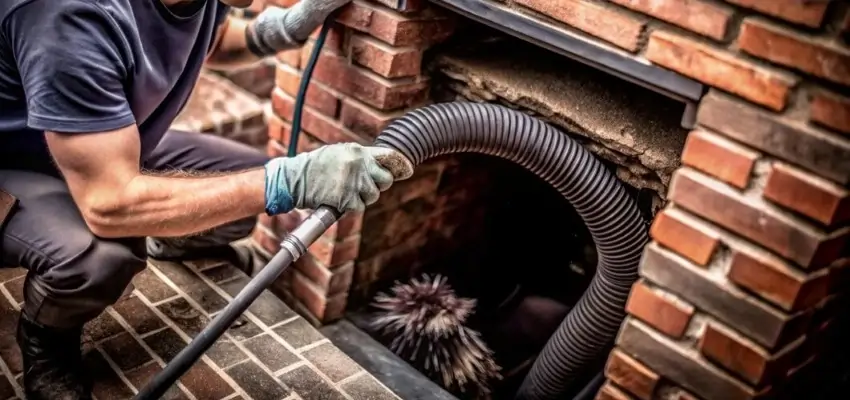
Clearer draft, cleaner flue: Chimney Cleaning for Port Moody homes
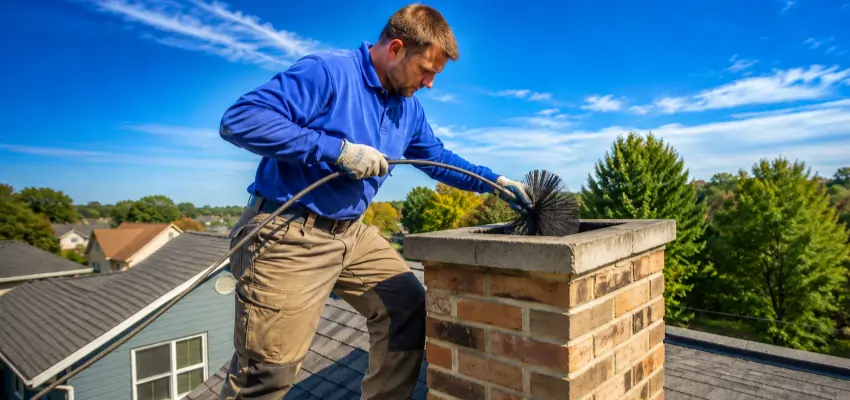
Due for Chimney Sweep service? Book ahead in Port Moody
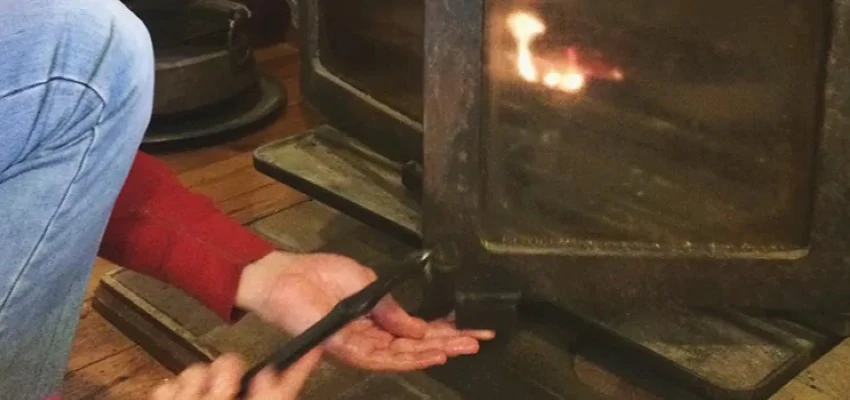
Complete Chimney Sweep Services for Port Moody homeowners

Smoke backing into the room? Call Fireplace Experts in Port Moody
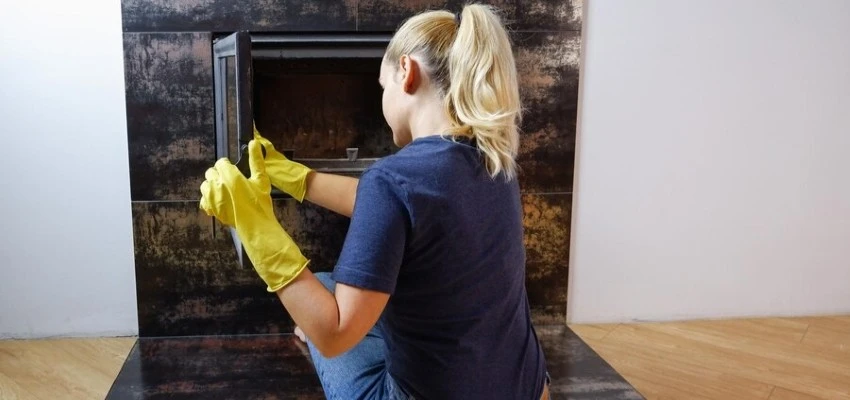
Control area vacuumed during Gas Fireplace Cleaning
A record of every Gas Fireplace Maintenance visit

