
Fill in the form below with your contact details and a short note, and we will prepare a quote for Duct Cleaning Near Me Port Moody
Many households only think about their ductwork when the system changes jobs in spring or fall and starts behaving differently, with weaker air in one room or a smell that was not there last season. If that sent you searching for “duct cleaning near me”, you are in the right place. Here, homeowners in Port Moody get practical answers about duct cleaning that hold up in an ordinary house.

Vent cleaning usually means wiping or vacuuming the grilles you see on floors, walls and ceilings, while duct cleaning reaches the hidden pipes behind them and the main trunk lines that connect to the furnace or air handler. Cleaning only the covers makes a room look tidier, but most of the dust sits farther back, in bends, branch runs and the large return duct. When a company advertises vent cleaning, ask whether the price includes the ductwork behind each opening, the return side and the equipment cabinet. Clear wording here avoids paying for a quick wipe when you expected the full system to be cleaned.
Anything that puts more dust into the air around your home tends to show up in the ducts. New construction or road work nearby, unpaved roads or driveways, nearby fields and long pollen seasons all add to what the returns pull in. Homes near busy streets collect fine grime, and houses that keep windows open for much of the year let in more outdoor dust. Inside, renovations, pets and lots of carpet add their share. If several of these apply to your street, plan on checking the filter more often and having the ducts looked at sooner than a quieter home would.
Visible dust is the most reliable sign: a gray fringe on the supply grilles, furniture that dulls faster than it used to and a filter that seems to load up within weeks. We also hear about scratching sounds in the ducts, odd smells when the system kicks on and debris rattling in a floor register. Not every one of these means dirty ducts, though. A poorly fitted filter or a leaky return can cause the same symptoms, and cleaning would not fix either. That is why we prefer to look inside with a light or camera before recommending anything, and why we show you what we see.
A properly run duct cleaning should not leave a mess, because the whole system is kept under suction while the dust is knocked loose, so debris travels toward the collection unit instead of into the rooms. Crews usually cover openings they are not working on, lay protection over flooring along their path and wear shoe covers. You may notice a little dust near a register as its cover comes off, along with noise and air movement while the equipment runs. Move fragile items away from floor and wall vents beforehand, and expect the crew to wipe down the areas they worked in.
Most of our residential jobs fill a good part of a morning or an afternoon, and the vent count drives the clock more than the size of the house. Each register needs its own pass, so a home with many openings takes longer than a bigger one with fewer. Setting up and packing away the collection equipment takes its own share of time, and a packed return or a blower that has to come out adds more. Two-system homes nearly double the job. If a crew promises a whole house in under an hour, it is worth asking which parts they plan to skip.

We ask a short list of questions on the phone because each one changes the plan. How many supply vents and return grilles can you count? Where is the equipment: basement, closet, garage or attic? Is there one system or two? Has anything happened recently, like a renovation, a new pet or a water leak near the ducts? Those answers decide how long to book, which equipment to bring and whether we need a ladder for attic access. A couple of phone photos of the furnace and a register go a long way. Honest details up front lead to a quote that holds on the day.
Yes, and pairing them often makes sense. A heating or cooling check looks at how the equipment runs, while duct cleaning deals with the dust in the system, so the two complement each other. If one company offers both, ask whether they can be done on the same visit or back to back, and in which order; cleaning first means the technician checks a clean blower. If different companies handle them, schedule the cleaning first and the equipment check after. Coordinating the two after a “duct cleaning near me” search saves a second shutdown of the system and gives you one complete picture.
A homeowner can do the first few feet; the rest takes equipment most people do not own. We see the results of DIY attempts often: register boots that are spotless while the dust starts right where the vacuum hose stopped, flexible ducts torn by a stiff brush and loose debris pushed deeper into a trunk. The difference is negative pressure. Our collection unit pulls on the entire system at once, so everything we knock loose has somewhere to go. Cleaning grilles, vacuuming the openings and keeping up with filters is worthwhile work; the trunk lines and equipment are better left to a crew.
Start by ruling out the listings that are not really local crews. A good share of search results are middlemen that sell your request to whoever bids, so the people who show up may not be the people you researched. A company’s own site should show its service area, what a visit includes and real photos of its work. After that, pick two or three and phone them. How they handle your questions, and whether they ask about your system, is more revealing than any ad. Then compare their quotes on scope, not just the bottom line.

No jargon, no surprise add-ons and no long sales pitch. We explain what the work on your air ducts involves, what it costs and how long it takes, then you decide. Call (778) 719-4866 to talk it over with Chimney Sweep Port Moody.
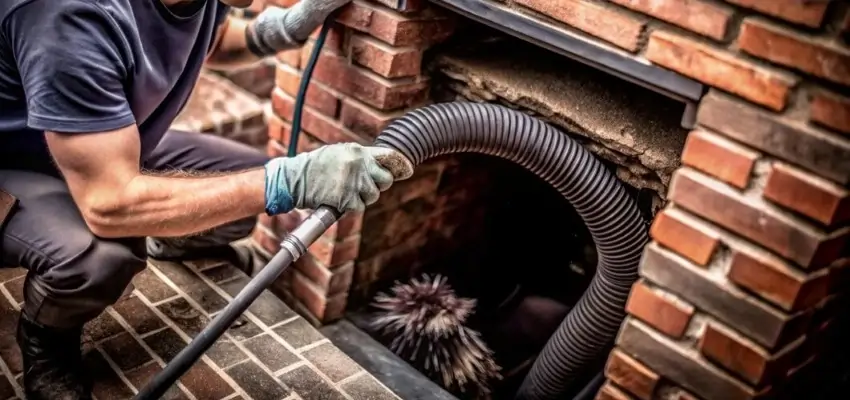
Clearer draft, cleaner flue: Chimney Cleaning for Port Moody homes

Due for Chimney Sweep service? Book ahead in Port Moody
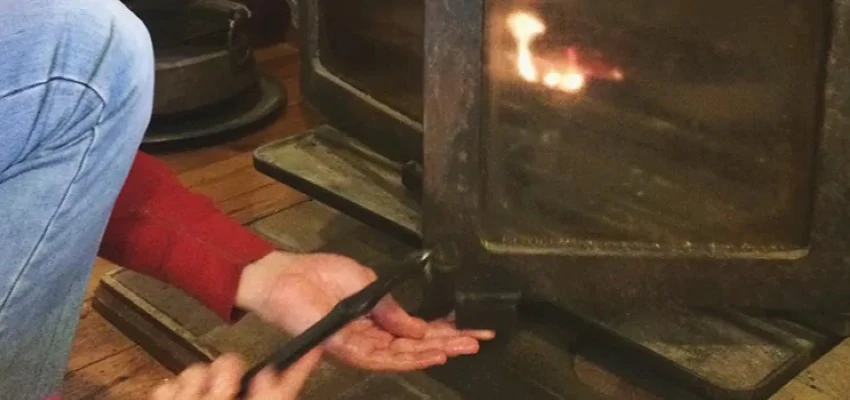
Complete Chimney Sweep Services for Port Moody homeowners
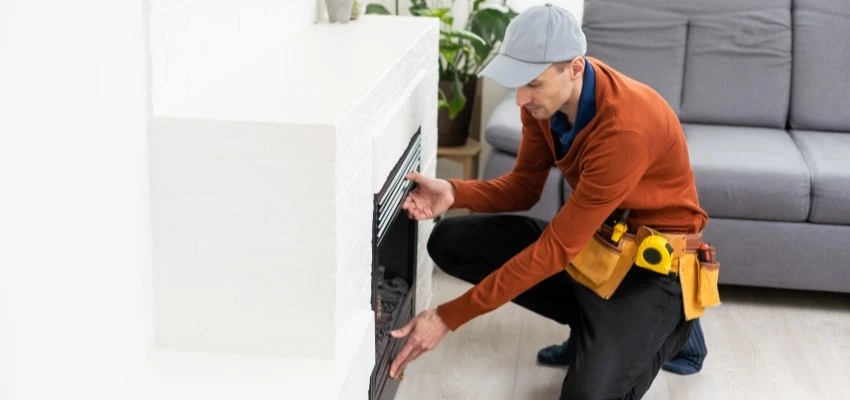
Smoke backing into the room? Call Fireplace Experts in Port Moody
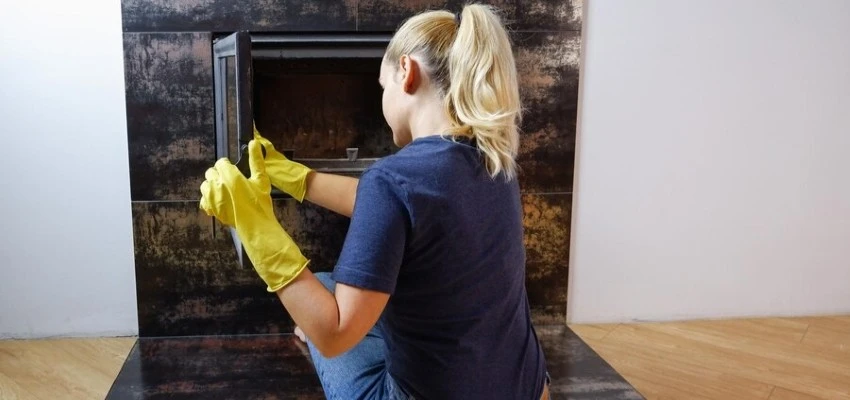
Control area vacuumed during Gas Fireplace Cleaning
A record of every Gas Fireplace Maintenance visit

