
Fill in the form below with your contact details and a short note, and we will prepare a quote for Ductwork Cleaning Port Moody
Ask three people about cleaning ducts and you may hear three opinions. One calls it essential every year, another says it is never needed. For most homes in Port Moody, the honest answer depends on the house, the people and pets living in it and what has happened since the system was last opened. If “ductwork cleaning” is what you searched, this page sorts out where ductwork cleaning makes sense and where it can safely wait.

Duct cleaning is usually worth it when there is a clear reason for it: visible dust and debris in the ducts, recent renovation work, pets that shed heavily, a home that has never had it done or signs of pests. In those cases it removes buildup that regular dusting cannot reach. It is less likely to be worth paying for when the ducts look clean and nothing in the house has changed, and a fair company will say so. Before deciding, unscrew a register or two and shine a flashlight inside. What you see is a good first guide.
Most homes use a trunk-and-branch layout: a large main duct runs from the furnace or air handler across the basement, attic or crawlspace, and smaller branches split off toward each room. Some homes use a radial layout, where individual ducts fan out from a central box, which is common with attic systems and flexible duct. Return ductwork may be a separate trunk or simply a few large grilles near the equipment. Knowing which layout you have helps make sense of a “ductwork cleaning” quote, since it determines where the collection unit connects and how many sections need to be worked.
Visible buildup on the return side is the clearest sign, and it is the first thing we check because it tells the story fastest. A return grille matted with lint and pet hair, or a trunk with a layer you could write your name in, means the system has been carrying more than the filter can stop. Next we look for things that should never be in a duct: building scraps, rodent nesting, dead insects or traces of moisture. On the homeowner’s side, the usual triggers are more dusting than before, a smell when the heat or cooling kicks on, or no record of the ducts ever being cleaned.
We clean ducts with two kinds of equipment working together. The first is the collection unit, a large vacuum either carried in or mounted in a truck, hooked to the trunk line so the whole system pulls air toward it. The second is agitation. Depending on the duct, we use a spinning brush on a flexible cable, a whip that slaps the walls with compressed air or a nozzle that drives a jet back toward the vacuum. Bare metal handles stiff brushes well, while flexible and lined ducts get softer heads. We work one branch at a time, check progress at the registers and finish with the main trunks.
A commonly cited guideline is every three to five years, though many homes go longer and some need it sooner. The interval depends on what moves through the system. Pets, smoking indoors, heavy cooking, renovations and a large household all speed up buildup, while a careful filter routine slows it down. Rather than relying on the calendar alone, take a look every year or two: remove a return grille and a supply register and check inside with a flashlight. A thin, even film can wait; clumps, debris or visible layers mean it is time.

In most cases, yes: an adult should be on hand for the opening few minutes and again for the wrap-up. At the beginning, someone needs to let the crew in, show them the equipment and point out any concerns or rooms that are off-limits. At the end, the system is restarted and the results are explained, which is when your questions get answered. Some companies are comfortable working while you step out in the middle, but that depends on their policy and your comfort. If you cannot be there, ask whether a relative, neighbor or property manager can stand in.
A homeowner can reach the first foot or two behind each opening, and plenty do a good job there, which we encourage. Where DIY falls short is the hidden length of duct: most branches run much farther than a vacuum hose, and the trunks are out of reach entirely. We have also cleaned up after drill-powered brush kits that ripped flexible duct or knocked debris loose with nothing pulling it out, so it blew into the rooms later. Stick to covers, openings and the filter, and call a professional when buildup goes deeper than you can see.
Often, yes, and right after cleaning is a logical time. Gaps at joints, seams and boot connections let conditioned air escape into attics, crawlspaces and wall cavities, and on the return side they pull in dusty air from those spaces, which refills the ducts faster. Sealing is usually done with duct mastic or foil tape, not the cloth tape commonly called duct tape, which dries out and peels. Exposed joints near the equipment are the easiest to reach. Ask whether sealing is offered with your ductwork cleaning and how much of the system is accessible.
Pay attention to the questions a company asks you; it is one of the simplest tests we know. A crew that understands the work wants to hear about the equipment, the duct materials and any recent changes in the house before naming a figure. It explains which tools it uses and why, and it is comfortable saying when a cleaning is not needed yet. On the day, the technicians protect floors, clean the whole loop rather than a few vents and show you what came out. How clearly a company talks on the phone is usually a good preview of how carefully it will work.

It is easy to forget about the parts of a home you rarely see. Booking ductwork cleaning now means one less thing to wonder about later in the year. Request a quote from Chimney Sweep Port Moody and choose a visit time that fits around your week.
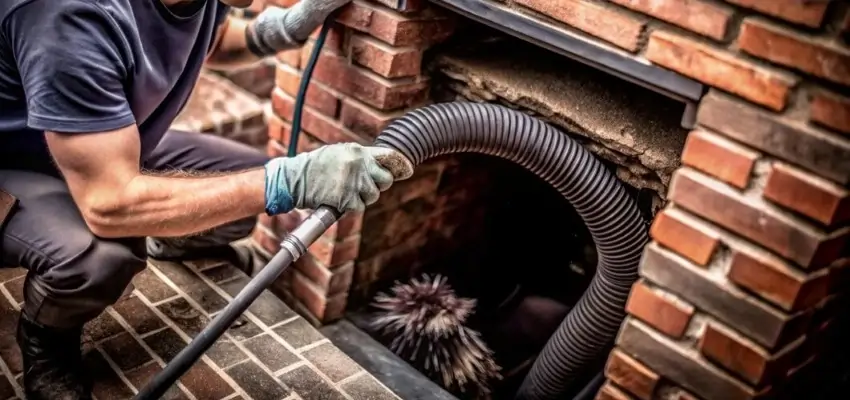
Clearer draft, cleaner flue: Chimney Cleaning for Port Moody homes

Due for Chimney Sweep service? Book ahead in Port Moody
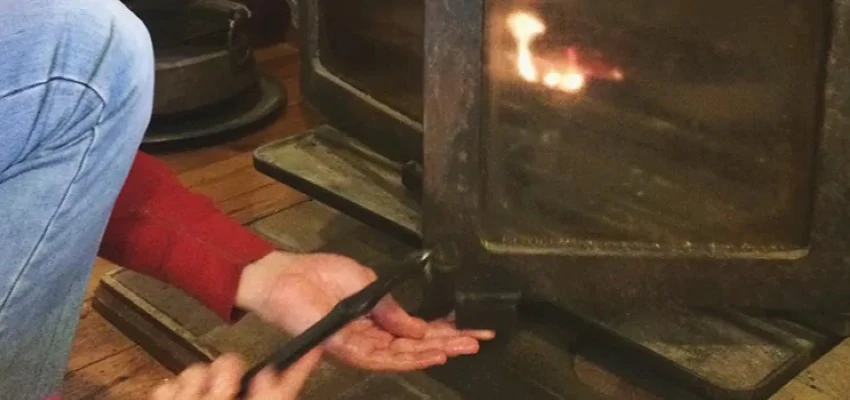
Complete Chimney Sweep Services for Port Moody homeowners
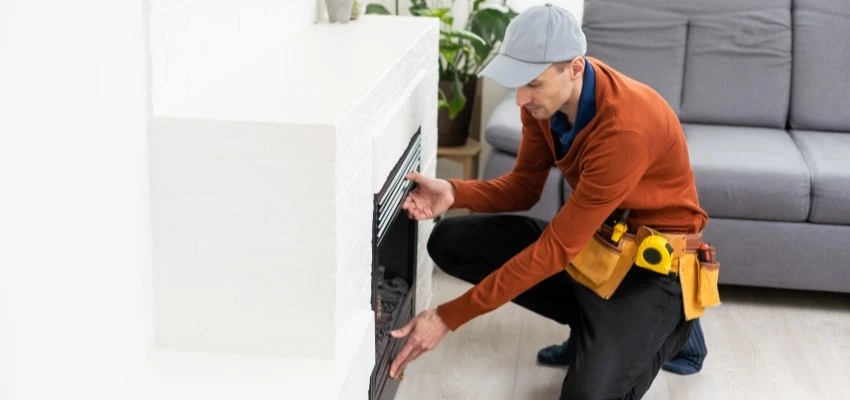
Smoke backing into the room? Call Fireplace Experts in Port Moody
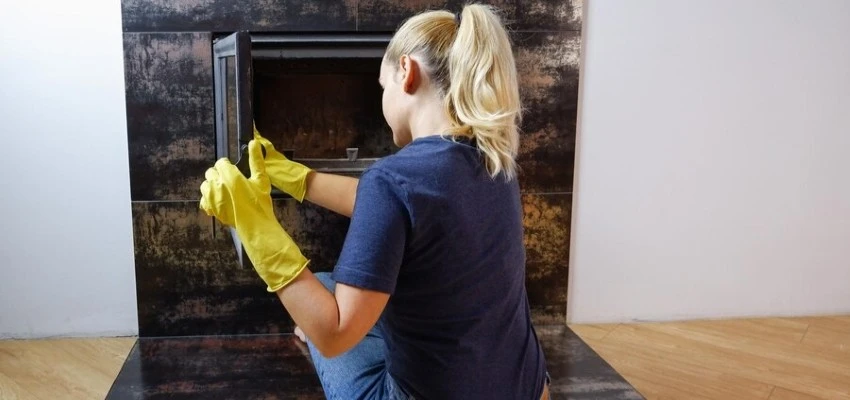
Control area vacuumed during Gas Fireplace Cleaning
A record of every Gas Fireplace Maintenance visit

