
Fill in the form below with your contact details and a short note, and we will prepare a quote for Fireplace Firebox Services Port Moody
Older homes often come with fireplaces that have seen many winters and a few questionable repairs along the way. If that sounds like yours and you typed “fireplace firebox services” into a search bar, you are probably weighing what to fix, what to keep and what to change. This guide is written for homeowners around Port Moody and explains firebox repair honestly, including the cases where a simpler job makes more sense than a big one.

The firebox is the chamber where the fire actually burns: in a masonry fireplace, walls and a floor of firebrick set in refractory mortar; in a factory-built unit, a metal box lined with refractory panels. It takes more heat than any other part of the fireplace, so it wears first. Typical problems are cracked or flaking bricks, eroded mortar joints, a bulging back wall and, in factory-built units, cracked or crumbling panels. Anyone researching “fireplace firebox services” should know which type they have, since the repair methods for brick and panel fireboxes are quite different.
Heat cycling does most of the damage, with help from moisture and knocks. Every fire expands the face of the brick faster than its back, and over many seasons that stress opens cracks. Water from a missing cap or a damaged crown soaks into the brick and freezes or turns to steam, which flakes the surface away. Grates jammed against the back wall and heavy logs tossed in chip the edges. When we inspect, we tap and probe: a cracked brick that is still tight gets noted, while one that moves, or a joint we can rake out with a finger, gets repaired.
Look for cracked or missing firebricks, gaps in the mortar joints, smoke that drifts into the room, a damper that sticks or will not close, rust or flaking metal and stains or cracks on the surround or mantel. Bits of mortar or brick in the ash, a strong odor after rain and drafts when the fireplace is cold are other clues. Any of these deserves a professional look, ideally before the next fire. Many homeowners also have the fireplace checked once a year, which catches small problems while they are still simple to fix.
We protect the room with floor coverings, sealed openings and a contained work area, and the setup takes time on purpose because masonry dust travels. The floor is covered from the door to the hearth, plastic is taped around the fireplace opening and, for messy demolition, we build a small enclosure so dust stays in one spot. Cutting is done with dust collection where the tools allow, and mixing happens outside or on protected ground. At the end of each day we vacuum and tidy. Some fine dust can still escape on a demolition day, but it should be minor.
A factory-built firebox is repaired with parts made for that model rather than with bricks and mortar. Its refractory panels slot or screw into a steel shell, and when they crack through, crumble or go missing, they are replaced as a set or individually using the panels listed in the manual. The steel behind them is checked for warping, rust or burn-through, which can mean the unit is near the end of its life. Universal patches and loose firebricks should not be wedged into these units, because they change how heat moves through a tested system. Your firebox repair visit starts by reading the model label.

An inspection comes first because it shows whether the fireplace is safe to use and sound enough for the planned work, so you do not spend money on a new face over a failing core. A technician typically checks the firebox walls and floor, the damper and throat, the smoke chamber, the flue and the clearances around the opening, often with a camera for the hidden parts. If problems turn up, they can be fixed before finishes go on, when access is easiest. It is a sensible routine on its own too: many homeowners have the fireplace and chimney inspected once a year.
Small repairs, such as replacing a few firebricks or fixing a damper, often take a single visit, while refacing, mantel work or a conversion can take several working days spread over a week or two. Masonry and mortar need time to cure before the fireplace is used, and some finishes must set before the next layer goes on. Ordering stone, tile, a mantel or a gas insert can add weeks before work starts. Ask for a schedule that shows working days, waiting time for curing or materials and the earliest date you can light a fire again.
Keep up the basics: have the chimney and fireplace inspected once a year and swept when needed, burn only dry, seasoned wood and keep the damper closed when the fireplace is not in use, unless it serves gas logs that need it open. Clean new stone or tile with products suited to the material, since harsh cleaners can stain or etch them. Avoid hanging heavy items from a new mantel unless it was built for that load. Check the firebox walls now and then for new cracks. A small problem caught early, like a single loose firebrick, is a quick fix rather than a project.
When homeowners show us competing quotes, the gap usually comes from scope. One quote may cover a new surround but say nothing about the cracked firebricks behind it; another includes the repair and the curing time. We suggest laying them side by side and asking three questions of each: what exactly is being fixed, what exactly is being installed and what happens if something unexpected turns up when the old finish comes off. Clear, specific answers point to a contractor who has thought the job through. Vague ones usually mean extras later.

Whether it is a sound, a stain or something you spotted while cleaning, mention it when you contact us so the technician knows where to start. Describe what you noticed and Chimney Sweep Port Moody will follow up about firebox repair for your home.
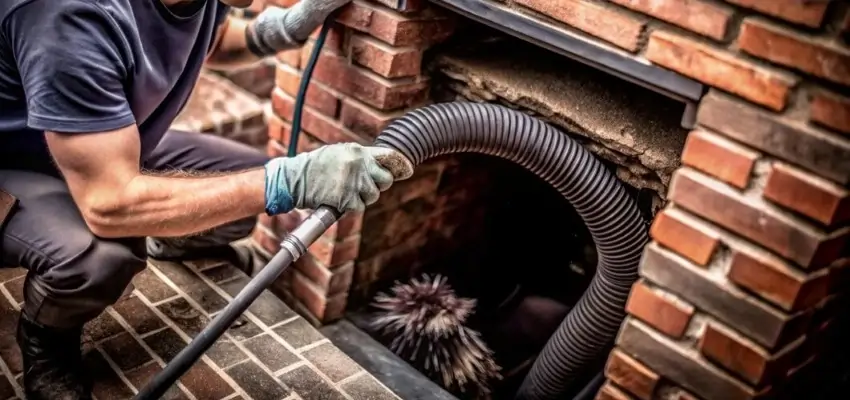
Clearer draft, cleaner flue: Chimney Cleaning for Port Moody homes

Due for Chimney Sweep service? Book ahead in Port Moody
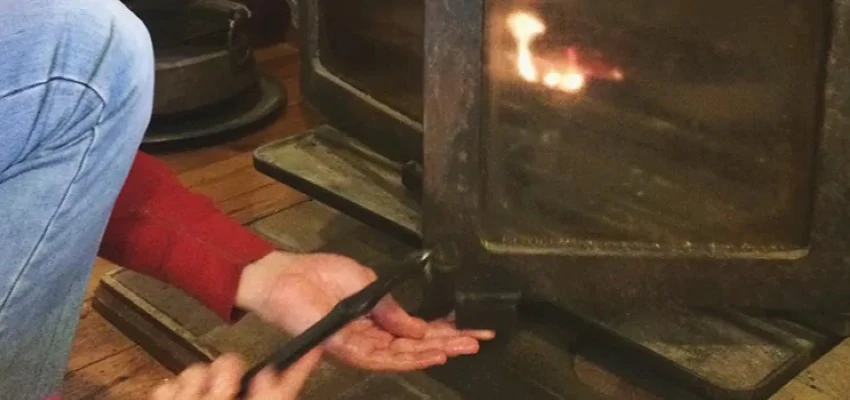
Complete Chimney Sweep Services for Port Moody homeowners
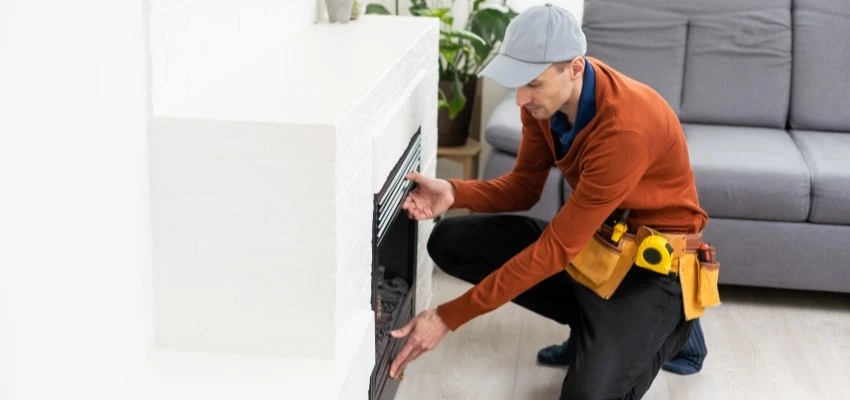
Smoke backing into the room? Call Fireplace Experts in Port Moody
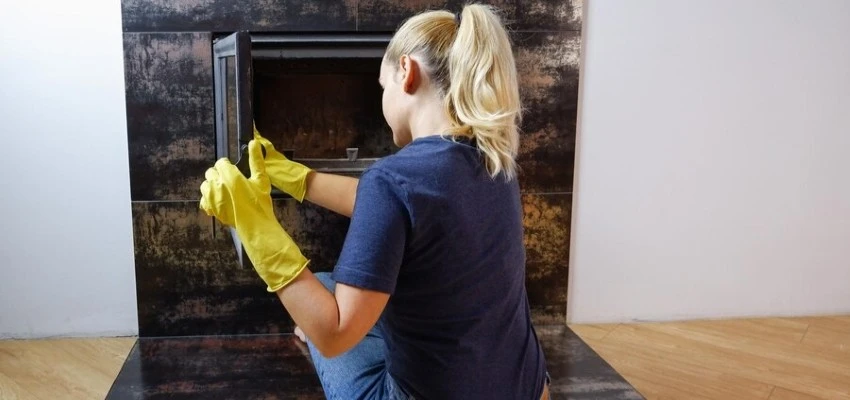
Control area vacuumed during Gas Fireplace Cleaning
A record of every Gas Fireplace Maintenance visit

