
Fill in the form below with your contact details and a short note, and we will prepare a quote for Fireplace Fixing Services Port Moody
Before the next fire, it helps to know what is happening above the flames. Every load of wood leaves a little residue in the chimney, and every season of heating and cooling tests the mortar, metal and seals that keep smoke where it belongs. People in Port Moody who look up “fireplace fixing services” usually want to know whether their own fireplace needs attention. The answers on this page explain fireplace repair plainly, without scare tactics.

Repairing is usually worth it, because the costly parts of a wood-burning setup, such as the chimney and the masonry around a fireplace, are built to last a very long time. Worn mortar, a rusted damper, cracked firebrick and tired door gaskets are all fixable. Replacement starts to make sense when the main body is failing: a stove with a cracked or badly warped body, a factory-built fireplace whose metal box has rusted through, or masonry so damaged that rebuilding approaches the cost of starting over. A technician can lay out both paths with their pros and cons so you can compare them calmly.
Smoke spills when the house wins a tug-of-war with the chimney. A warm chimney pulls air upward; anything that weakens that pull lets smoke roll out of the opening instead. On calls like this we check the damper first, then look up the flue for blockages, then consider the house itself, because range hoods, dryers and tight windows can make the home pull harder than the chimney. Sometimes the opening is simply too large for the flue, or the chimney is too short for nearby rooflines. Each cause has its own fix, from a smoke guard to a taller flue or a better air supply.
A careful crew stops, shows you what it found and explains the options before going further. Hidden damage is common in fireplace work: removing a few firebricks can reveal heat-damaged backing, and opening the smoke chamber can uncover gaps nobody could see. You should get photos, a clear description and a revised price for the extra work, along with what would happen if you chose to leave it for later. Agree on this process before the job starts, so a “fireplace fixing services” project never grows without your knowledge or consent.
During a fireplace sweep, the technician cleans the full smoke path from the firebox to the top of the chimney while keeping soot out of your room. A typical visit starts with drop cloths and a sealed opening, with a vacuum running to hold fine dust back. Brushes on flexible rods are then run through the flue, from below, from the roof or both. The smoke shelf and smoke chamber above the damper are cleared, the damper is cleaned and tested, and ash and debris are removed from the firebox. You should get a short summary of what was found.
A firebox rebuild, the step taken once patching can no longer keep up, means removing the worn firebrick and mortar and laying new firebrick with refractory mortar made for high heat. It is usually recommended when many bricks are cracked, loose or crumbling, when gaps run through the back or side walls, or when earlier patches have failed. The work is done from inside the opening, with the room protected from dust. Afterward, the mortar needs time to cure before the first fire, and the first few fires should be small. Done properly, a rebuilt firebox can handle many seasons of regular use.

The repairs wood-burning fireplaces need most often are replacing damaged firebrick, repointing worn mortar joints, fixing or replacing the damper and repairing the chimney cap or crown. Firebrick cracks and joints erode after many fires, which can let heat reach the surrounding structure. Throat dampers rust, warp or seize, and many are replaced with a damper mounted at the top of the chimney. Caps blow off, and crowns crack and let water in. Hearth tiles, glass doors and screens need attention now and then as well. Most of these jobs are fixed in a single visit.
Fireplace repairs range from a single visit to several days, and the hands-on time is often shorter than the waiting around it. Replacing a damper or a few firebricks fits into one appointment. A full firebox rebuild or crown repair may take a day or more of work, and roof jobs depend on calm, dry weather. Then comes cure time, since refractory mortar and crown materials need to set properly before they face heat or rain. We give homeowners a realistic window for the whole project, including the wait before the first small fire, so nobody plans a cozy evening too early.
The cost of fireplace repair depends on what is damaged, how far the damage has spread and how easy the area is to reach. A few loose firebricks or a new damper are smaller jobs; a full firebox rebuild, smoke chamber work or repairs to the chimney above the roofline involve more labor and materials. Matching older brick, tile or stone adds time, and so does fixing the cause, such as a leaking crown that let water in. Factory-built fireplaces depend on parts made for that model. Ask for a written scope so every quote covers the same work.
Plan for a longer, busier visit than a sweep. Clear the room around the fireplace, not just the hearth, since masons need space for mixing tubs, tools and material. Move valuables and electronics out of the room or cover them, and expect some noise from chiseling and cutting. Let the company know where an outdoor water tap and a power outlet are, and leave room in the driveway for a vehicle and materials. If the work involves the chimney top, keep the yard below clear. Pets and children are happier elsewhere while the work goes on.

That is a common place to start. A short conversation usually sorts out what kind of visit makes sense, from a focused check to a full service. Reach Chimney Sweep Port Moody at (778) 719-4866 and we will give you a straight answer for your home in Port Moody.
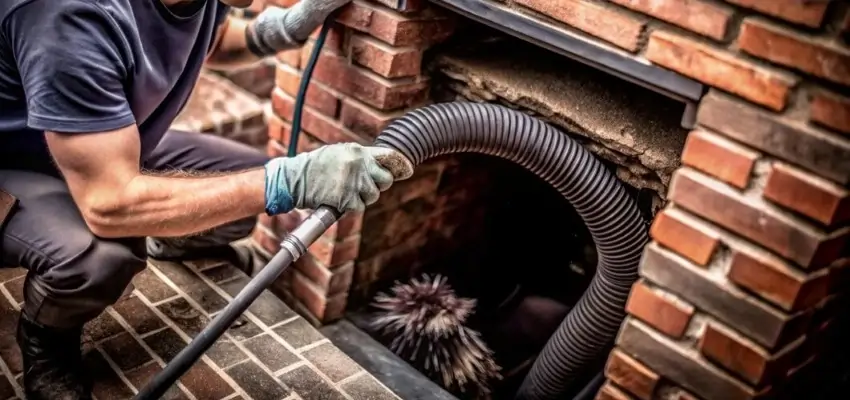
Clearer draft, cleaner flue: Chimney Cleaning for Port Moody homes

Due for Chimney Sweep service? Book ahead in Port Moody
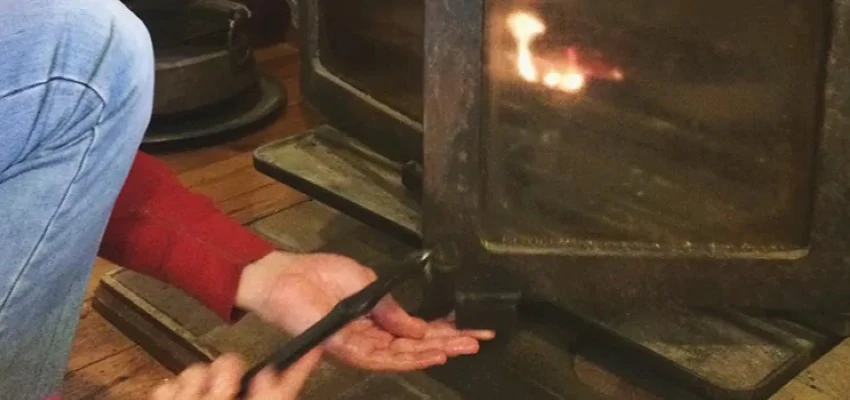
Complete Chimney Sweep Services for Port Moody homeowners
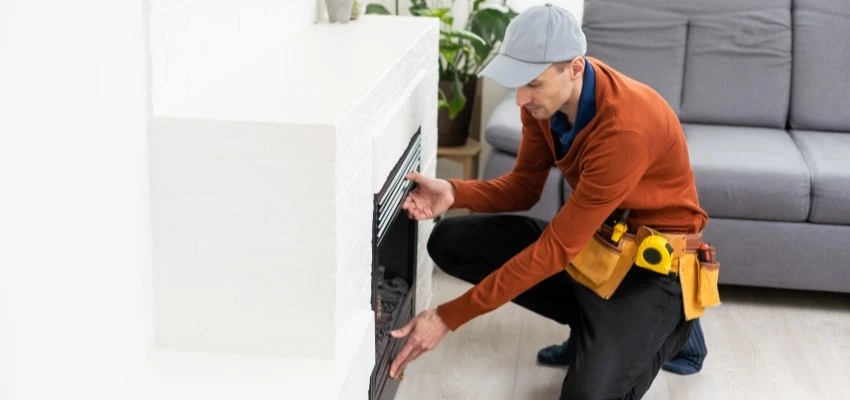
Smoke backing into the room? Call Fireplace Experts in Port Moody
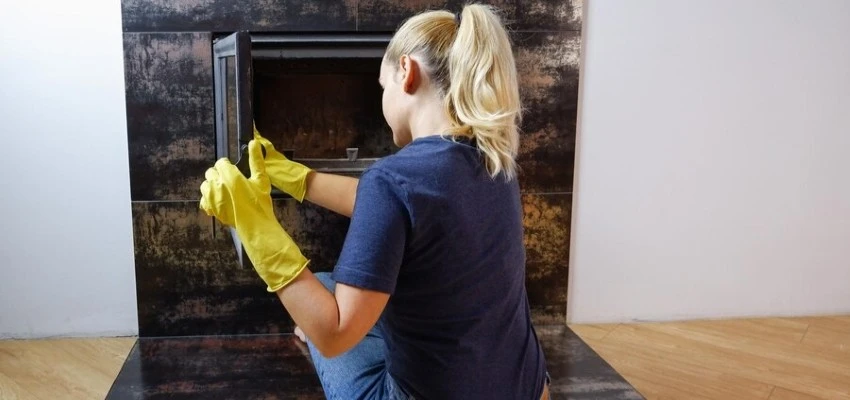
Control area vacuumed during Gas Fireplace Cleaning
A record of every Gas Fireplace Maintenance visit

