
Fill in the form below with your contact details and a short note, and we will prepare a quote for Fireplace Maintenance Port Moody
Advice about wood fires tends to swing between extremes. One neighbor never has the chimney touched, while another is told every hairline crack is a disaster. Neither helps much when you are trying to decide what your own fireplace needs. If you searched for “fireplace maintenance”, the answers here aim for the practical middle, explaining fireplace maintenance for homes in Port Moody with enough detail to make a confident decision.

A fireplace or stove needs cleaning when the flue turns matte black and furry with deposits, or when fires start losing their pull. We judge it by thickness and texture, but homeowners can spot the effects from the hearth. Fires get lazy, drafts weaken and the room picks up a stale smell between uses. In stoves, the glass blackens faster and the baffle collects a crust. Heavy users often reach that point before the season ends, while occasional users may go a full year or more. When in doubt, a quick inspection settles it without guesswork.
A chimney fire often announces itself with a loud roaring or rumbling sound, popping and cracking noises, thick smoke and a strong, hot smell, sometimes with flames or sparks shooting from the top. If you notice these, get everyone out of the house and call the fire department from outside. Not every chimney fire is dramatic, though. Slow-burning ones can go unnoticed and leave quieter clues: flaky, puffed-up creosote, a warped damper or cap, cracked flue tiles and debris on the roof or ground. After any suspected chimney fire, have the system inspected before it is used again.
Smoke comes into the room when the chimney is not pulling air upward strongly enough, and the cause is usually one of a few things. The damper may be partly closed, the flue may be cold when the fire is lit, or a nest, debris or heavy creosote may be blocking the path. Strong kitchen or bathroom fans and very airtight homes can also pull air down the chimney. Open the damper fully and crack a nearby window when lighting the fire. If smoke keeps spilling, stop using the fireplace, have it checked and make sure your carbon monoxide alarms work.
In most cases it does, because the expensive fireplace problems usually grow out of small ones left alone. A cap that costs little to replace keeps water out of the damper, the smoke chamber and the mortar joints. A sweep that removes creosote reduces the chance of a chimney fire that can crack a flue. Loose firebrick reset early avoids a full firebox rebuild later. Routine fireplace maintenance will not stop every repair, but it spreads costs out, gives you warning and keeps the big projects rarer.
The cost depends mainly on how much work the visit involves and how hard the chimney is to reach. Key factors include the height of the chimney and the pitch of the roof, the number of flues, how much creosote has built up and whether it has glazed, and whether the visit includes an inspection or a camera scan. Stoves with pipe to take apart and older fireplaces with rough smoke chambers can add time. Repairs and parts are normally quoted separately. A written quote that lists what is included makes it easier to compare companies fairly.

There is no need to clean the fireplace or stove before the visit, although clearing out a deep pile of completely cold ash is helpful. Technicians empty the firebox as part of the job and can learn something from what is there, such as how much creosote is falling or whether bricks are flaking. What matters most is that the ashes are cold, which can take several days after the last fire, since buried embers stay hot far longer than they look. Do take out unburned logs, kindling and decorations so the firebox is easy to reach.
You can keep things tidy between visits, but the flue is where do-it-yourself efforts fall short. We regularly find chimneys that were brushed from below with a kit that missed the smoke shelf, pushed debris onto a closed damper or knocked soot loose without anyone noticing a cracked tile. Any work on the liner or masonry belongs with a professional. A sensible split is simple: ashes, glass, alarms and firewood are yours; sweeping, inspection and anything structural go to a technician. That division keeps you safe and puts experienced eyes on the parts that matter.
A simple yearly routine covers most of what a wood-burning fireplace needs. Before the burning season, have the chimney inspected and swept as needed, test smoke and carbon monoxide alarms and stock dry wood. During the season, remove cold ashes regularly, keep the hearth clear and watch for smoke, odors or flakes falling from above. After the last fire, clean out the firebox, close the damper and consider booking any repairs for the warmer months. Following this kind of fireplace maintenance calendar keeps small issues small and makes each professional visit quicker.
The questions that reveal the most are about scope and evidence: what is cleaned, what is inspected, how findings are shared and how extra work is priced. It is also reasonable to ask who will do the work, whether they handle masonry repairs themselves and how long any repair would need before the first fire. Asking how they deal with glazed creosote or a stovepipe that has to come apart shows quickly whether they have done it before. A technician who knows wood-burning systems answers each of these in a sentence or two, without hedging or upselling.

Many homeowners like to schedule this before the busiest heating or cooling months, when everything is about to work hardest. If that sounds like a sensible plan for your home in Port Moody, reserve a visit with Chimney Sweep Port Moody and we will confirm a time with you.
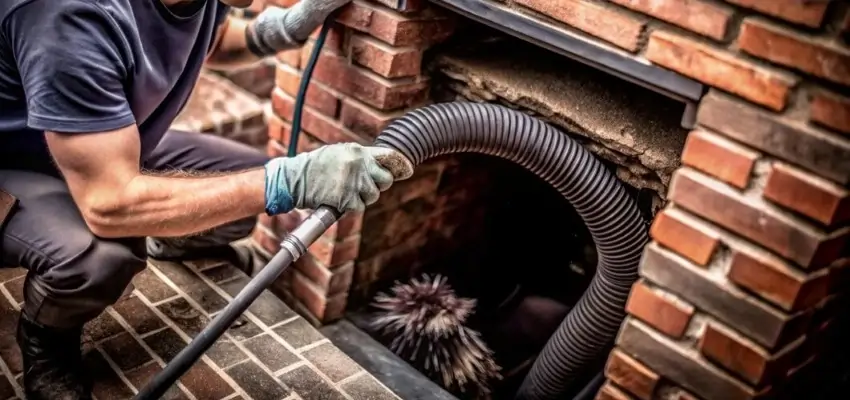
Clearer draft, cleaner flue: Chimney Cleaning for Port Moody homes
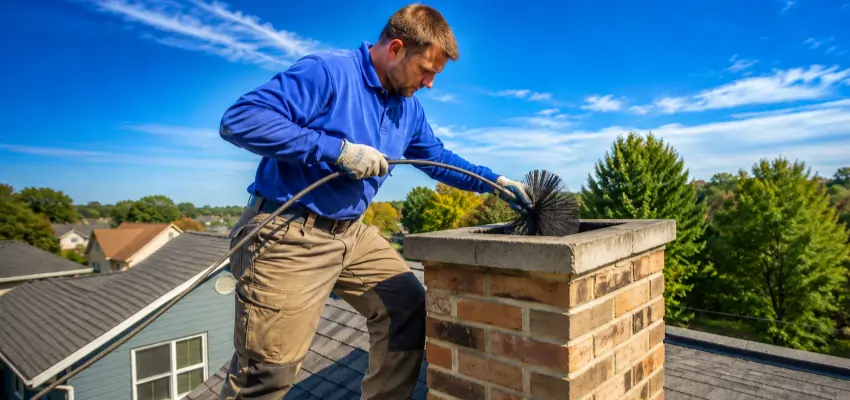
Due for Chimney Sweep service? Book ahead in Port Moody
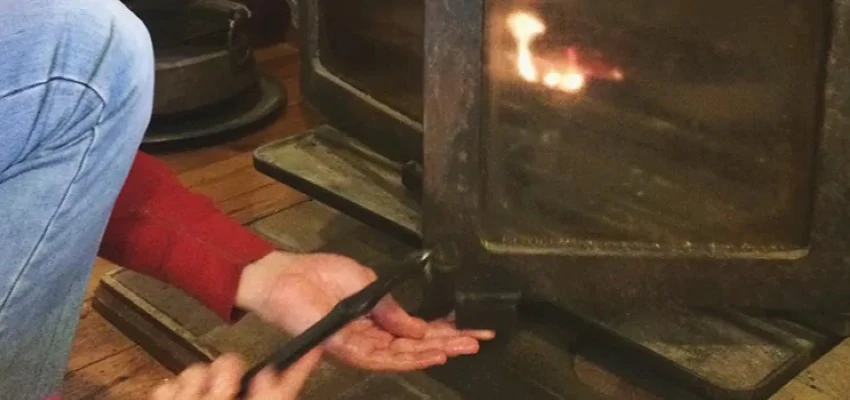
Complete Chimney Sweep Services for Port Moody homeowners
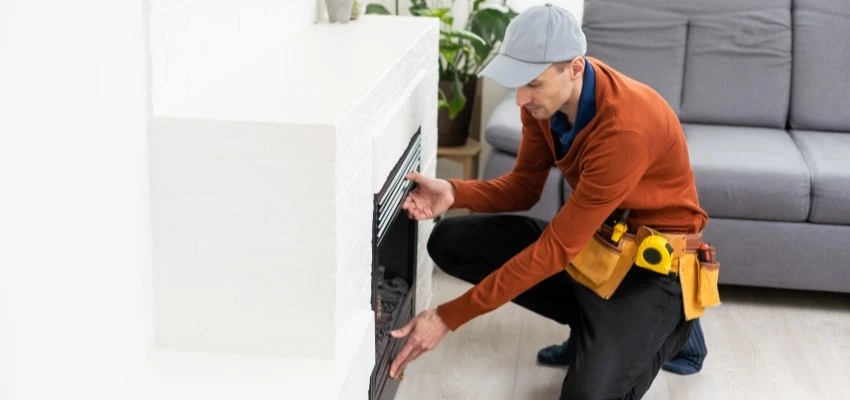
Smoke backing into the room? Call Fireplace Experts in Port Moody
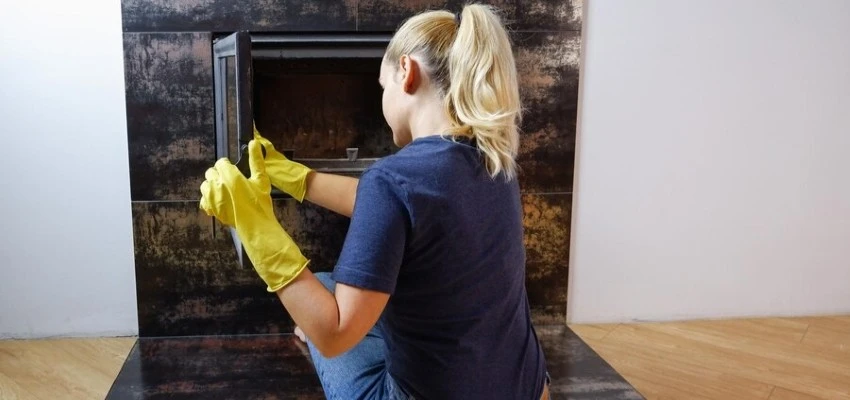
Control area vacuumed during Gas Fireplace Cleaning
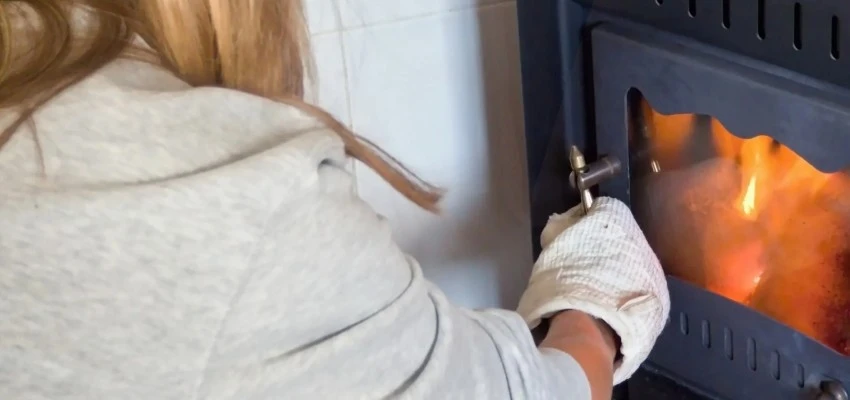
A record of every Gas Fireplace Maintenance visit

