
Fill in the form below with your contact details and a short note, and we will prepare a quote for Fireplace Makeover Services Port Moody
Some fireplace projects start with a wish for a fresh look; others start with a crumbling brick, a stuck damper or a smoky room. Either way, people around Port Moody who search for “fireplace makeover services” tend to ask the same practical questions. This page answers them plainly, from what the work involves and how long it takes to how to prepare and what to ask before hiring anyone, so you can plan fireplace renovation with fewer surprises.

A makeover can be as small as fresh paint on the brick or as large as a new surround, hearth and mantel. Common pieces are refacing with stone, tile or plaster, a new or refinished mantel, a raised or extended hearth, new glass doors and a modern insert or gas conversion. Built-in shelving or lighting on either side often comes into the plan too. People searching for “fireplace makeover services” usually have a look in mind, and the job is turning it into a scope that suits the fireplace, the room and the budget. Any repairs found along the way should come first.
The line we draw is between the parts you see and the parts that handle fire and smoke. Remodeling deals with surfaces and fuel: tile, stone, mantels, surrounds and conversions. Repair deals with the working core: the firebox, the throat and damper, the smoke chamber and the metal components that seal or protect them. On real jobs the two often overlap. Pull off an old surround and you may find gaps that let heat reach framing; open the damper and you may find a crumbling smoke shelf. We sort each finding into must-fix and nice-to-have so you can plan sensibly.
In most homes we see, yes, but the answer comes from inside the fireplace rather than its surface. A dated surround over a healthy firebox and a working damper is a good candidate for improvement. Cracked firebricks, a rough smoke chamber or a rusted damper are worth fixing in their own right, since they affect how safely the fireplace burns. Where we hesitate is when the chimney itself needs major rebuilding, because then the budget conversation changes. We look at the whole system first, explain what we find and let you weigh appearance against function.
The problems that concern us most are the ones that let heat or smoke go where they should not. Open cracks in the firebox, mortar joints washed out deep enough to catch a fingernail, a smoke chamber shedding chunks onto the smoke shelf and a damper plate rusted through all fall into that group. Cosmetic issues, like hairline crazing in a tile surround or a scuffed mantel, can be planned around your schedule. When homeowners send photos, we usually ask for three: the firebox walls, the view up past the damper and the outside of the chimney.
Because what we find inside often changes the plan, every project should begin with an inspection. A makeover quote means little if the firebox behind it is cracked, and a gas conversion depends on the condition of the flue it will vent through. We look at the masonry joints, the damper and its frame, the smoke chamber walls above it and the liner or flue tiles, and we measure the opening. Then we tell you what the existing fireplace can support. Doing this first also avoids the worst outcome: covering damage that someone later has to tear out again.

It can be, if heat and mounting are planned for. Electronics can be damaged by rising heat, so check the TV maker’s guidance and hold your hand under the spot while the fireplace runs: if it feels hot, the TV will too. A deeper mantel can deflect some heat. The mount must anchor into solid masonry or framing, and wiring should run through proper channels rather than across hot surfaces. Some factory-built fireplaces allow wall finishes above them only within set limits, so check the manual. Viewing height matters as well, since a TV over a mantel often sits high.
Start with how you use the room and what the fireplace should do in it: be the focal point, blend into a feature wall or frame a TV. Look at the scale of the wall, the ceiling height and the furniture, since a heavy stone surround can overwhelm a small space while a slim tile face can disappear on a tall wall. Collect a few pictures you like and bring samples into the room to see them in your own light. Decide early whether the fuel type will change. A clear plan makes fireplace renovation quotes easier to compare and keeps decisions from piling up mid-project.
We give every customer a first-fire date, and it is set by the slowest-curing material in the job. Fresh mortar and refractory products hold water, and heating them too fast turns that water to steam inside the joint, which can crack it before it has hardened. So after firebox, throat or smoke chamber work, we recommend a few small fires before a full one. Tile and stone surrounds have their own adhesive cure times. Gas units are lit and tested on installation day, then left ready to use. Call us if anything looks or smells unusual during those first fires.
Ask to see their work, inside the firebox as well as on the wall. A company that does fireplaces well can show you finished surrounds and mantels, but also the less glamorous jobs: rebuilt fireboxes, parged smoke chambers and replaced dampers. Those pictures tell you it understands the working parts, not just the decoration. Listen for questions about your chimney and how you use the fireplace. A contractor who mentions an inspection before quoting, explains curing time and says which parts of the job go to a gas technician or other specialist is usually a safe pick.

It is easy to forget about the parts of a home you rarely see. Booking fireplace renovation now means one less thing to wonder about later in the year. Request a quote from Chimney Sweep Port Moody and choose a visit time that fits around your week.
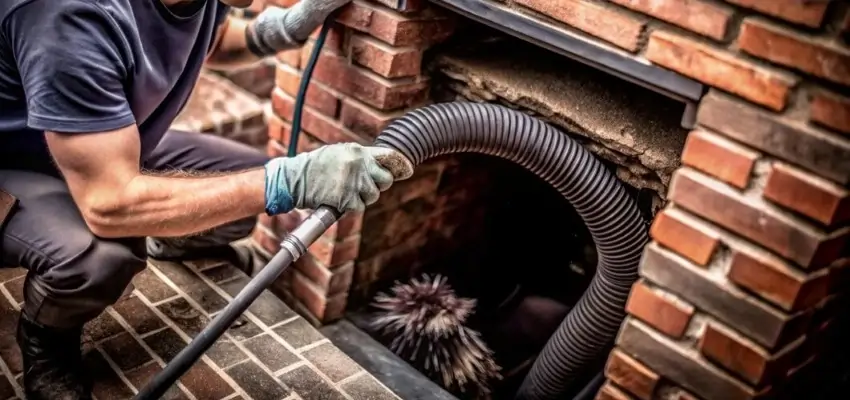
Clearer draft, cleaner flue: Chimney Cleaning for Port Moody homes

Due for Chimney Sweep service? Book ahead in Port Moody
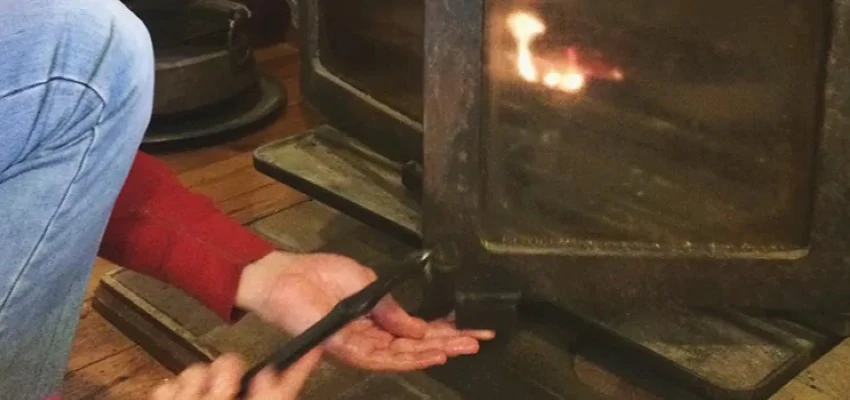
Complete Chimney Sweep Services for Port Moody homeowners
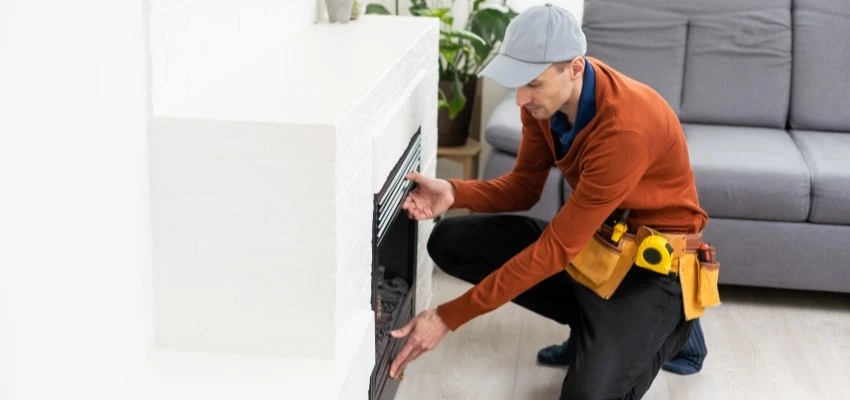
Smoke backing into the room? Call Fireplace Experts in Port Moody
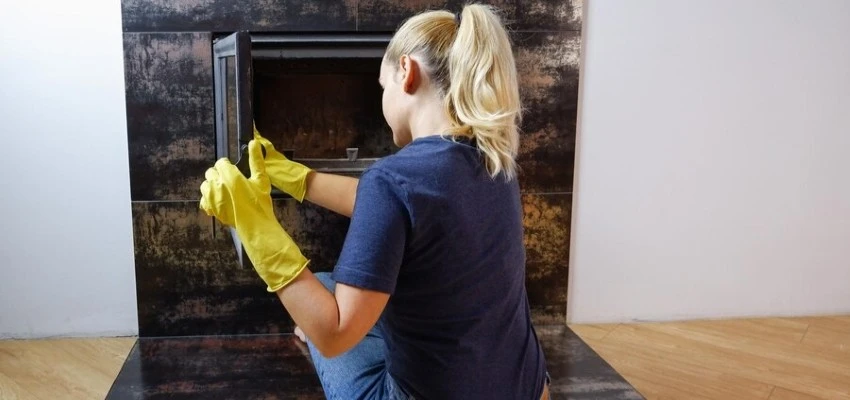
Control area vacuumed during Gas Fireplace Cleaning
A record of every Gas Fireplace Maintenance visit

