
Fill in the form below with your contact details and a short note, and we will prepare a quote for Fireplace Refacing Port Moody
A fireplace has to work properly before it can look its finest, and that idea runs through every answer below. Homeowners around Port Moody who search for “fireplace refacing” often focus on one visible problem, which is the right place to start, yet the surrounding parts matter too. Here you will see how surround and hearth refacing is approached, which checks protect your home and how to plan the job so it holds up well over time.

Most surround materials can work, and each one changes the job differently. Stone veneer, real or manufactured, gives depth but adds weight, so we check that the wall and hearth can carry it. Porcelain tile is thin, durable and easy to wipe down, and large-format pieces give a modern look with few grout lines. Thin brick suits traditional rooms without the bulk of full brick. Plaster and limewash refresh existing brick with very little demolition. Whatever you choose, the material closest to the firebox must handle heat, which is where specialty adhesives and mortars come in.
Fireplace refacing means covering or replacing the visible face around the opening, the surround and often the hearth, without changing the firebox or chimney behind it. It is a way to update a dated brick, tile or stone fireplace in a matter of days rather than rebuilding it. New materials can go over sound existing brick or replace it where needed. Homeowners searching for “fireplace refacing” usually want a modern or cleaner look, and refacing delivers that as long as the working parts behind the new face are healthy, which an inspection should confirm first.
The required distance depends on the fireplace and on local rules, and it usually grows the farther a mantel or trim projects from the wall. Wood, drywall and other combustible materials can dry out and eventually char if they sit too close to the opening, even without visible flames. For factory-built fireplaces and inserts, the installation manual lists exact clearances; for masonry fireplaces, local building rules set them. Noncombustible materials such as stone, tile and brick can come closer. A contractor should measure and confirm clearances before ordering a mantel or finishing a surround.
An inspection comes first because it shows whether the fireplace is safe to use and sound enough for the planned work, so you do not spend money on a new face over a failing core. A technician typically checks the firebox walls and floor, the damper and throat, the smoke chamber, the flue and the clearances around the opening, often with a camera for the hidden parts. If problems turn up, they can be fixed before finishes go on, when access is easiest. It is a sensible routine on its own too: many homeowners have the fireplace and chimney inspected once a year.
It should not change how the fireplace burns, because the firebox, damper and chimney stay as they were. What can change is fit: a thicker surround may affect how glass doors or an insert surround panel sit against the face, and a deeper hearth can alter clearances to the mantel. Good planning measures these before materials are ordered. Refacing is also a chance to fix problems you could not reach before. If your “fireplace refacing” project uncovers loose firebricks or a gap between the firebox and the surround, have those repaired so the new face is not hiding a problem.

It depends on where you live and what the work involves. Purely cosmetic changes, such as painting brick or swapping a mantel shelf, often need no permit, while gas line work, installing a new insert or fireplace, changes to the chimney or structural masonry frequently do. Rules differ from one municipality to the next, so check with your local building department or ask the contractor to confirm. A professional company should know the local requirements and tell you whether it will arrange the permit and inspection or whether that falls to you. Get that answer in writing before work begins.
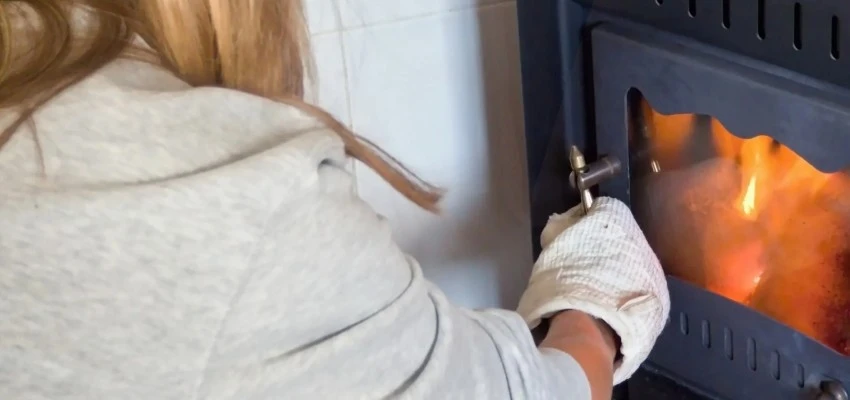
We give every customer a first-fire date, and it is set by the slowest-curing material in the job. Fresh mortar and refractory products hold water, and heating them too fast turns that water to steam inside the joint, which can crack it before it has hardened. So after firebox, throat or smoke chamber work, we recommend a few small fires before a full one. Tile and stone surrounds have their own adhesive cure times. Gas units are lit and tested on installation day, then left ready to use. Call us if anything looks or smells unusual during those first fires.
Choose a contractor who inspects before quoting, explains the plan in plain language and shows photos of similar finished work. Fireplace projects mix trades, so ask who does the masonry, who handles any gas work and whether a qualified gas technician is involved for conversions. A written quote should list materials, curing or waiting time and how surprises are handled. Read recent reviews for comments on tidiness, communication and whether jobs finished on schedule. Be wary of anyone who wants to cover a damaged firebox or smoke chamber with a new finish without fixing it.
Compare quotes line by line rather than by the total. Each should describe the same scope: what is removed, what is repaired, what new materials go in and who handles any gas, liner or venting work. Look for the material types, the finish details, protection and cleanup, disposal of old materials and any permit costs. Check how hidden damage would be priced if it turns up. A quote that looks much lower may simply leave out repairs another contractor included. Ask each company to explain anything vague before you decide.

The hardest part is often deciding to deal with it. Once you call (778) 719-4866, we take care of the scheduling, explain the visit and send a technician to your home in Port Moody. It is a straightforward way to get your fireplace looked after.
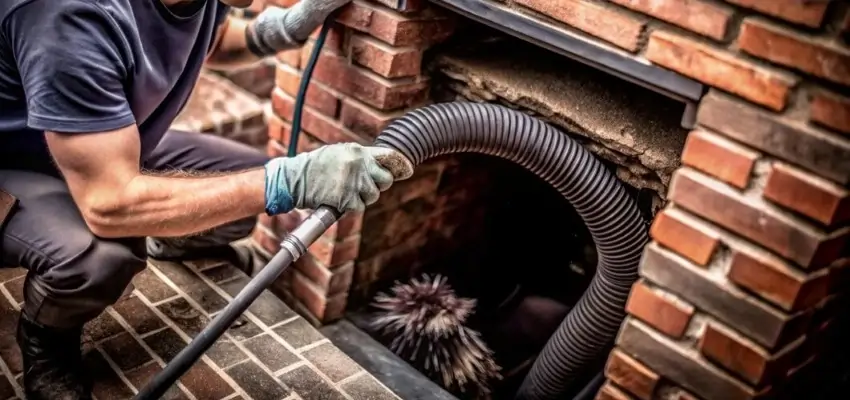
Clearer draft, cleaner flue: Chimney Cleaning for Port Moody homes

Due for Chimney Sweep service? Book ahead in Port Moody
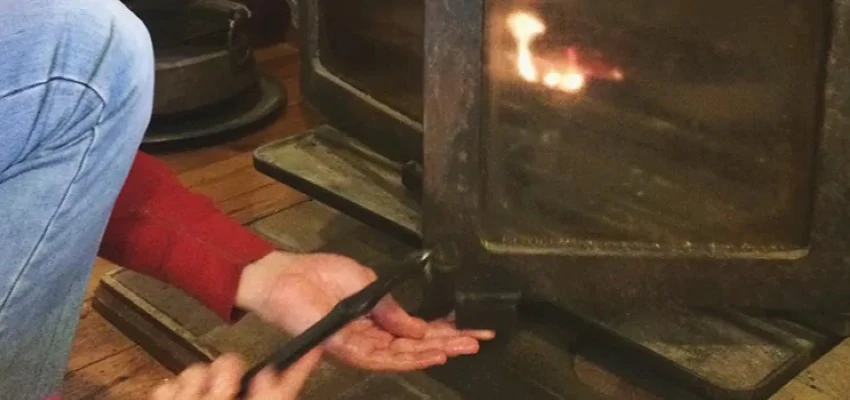
Complete Chimney Sweep Services for Port Moody homeowners
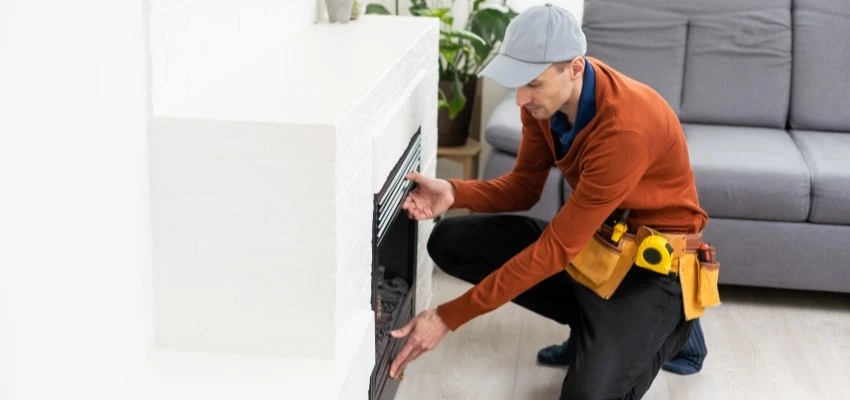
Smoke backing into the room? Call Fireplace Experts in Port Moody
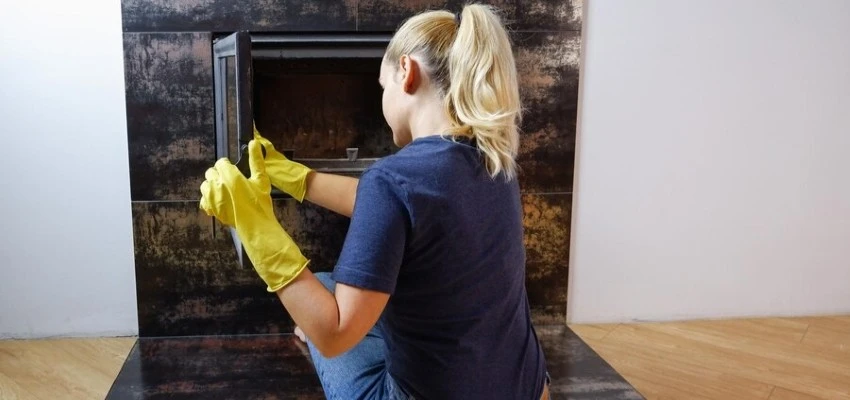
Control area vacuumed during Gas Fireplace Cleaning
A record of every Gas Fireplace Maintenance visit

