
Fill in the form below with your contact details and a short note, and we will prepare a quote for Fireplace Restoration Port Moody
Not every fireplace needs a big project. Sometimes a few bricks and fresh mortar do the job; sometimes a dated surround is all that stands between you and a room you love. Searching for “fireplace restoration” is a sensible first step toward telling those situations apart. The answers below help homeowners around Port Moody understand hearth and firebox restoration, set realistic expectations and decide what their fireplace actually needs.

Restoration is usually the stronger choice when the structure is sound and the fireplace has character worth keeping, such as original brick, tile, cast iron or carved woodwork. Restoring means repairing the firebox, damper and smoke chamber, then cleaning, repairing or refinishing the visible parts. Replacement makes more sense when the firebox is failing badly, the fireplace was poorly built for safe use or you want a completely different style or fuel. An inspection shows which path fits, and many homeowners end up with a mix: restored structure and refreshed surfaces.
In an older home, fireplace restoration means bringing the original fireplace back to safe working order while keeping the features that give it character. That can involve rebuilding a worn firebox, repairing the damper and smoke chamber, lifting long-built-up soot from brick, resetting original tiles and refinishing cast iron or wood. The aim is authenticity as well as safety, so materials are matched as closely as possible. If you searched for “fireplace restoration” because the fireplace came with the house and its history is a mystery, an inspection will show what can be saved and what must be rebuilt.
In most homes we see, yes, but the answer comes from inside the fireplace rather than its surface. A dated surround over a healthy firebox and a working damper is a good candidate for improvement. Cracked firebricks, a rough smoke chamber or a rusted damper are worth fixing in their own right, since they affect how safely the fireplace burns. Where we hesitate is when the chimney itself needs major rebuilding, because then the budget conversation changes. We look at the whole system first, explain what we find and let you weigh appearance against function.
Look for cracked or missing firebricks, gaps in the mortar joints, smoke that drifts into the room, a damper that sticks or will not close, rust or flaking metal and stains or cracks on the surround or mantel. Bits of mortar or brick in the ash, a strong odor after rain and drafts when the fireplace is cold are other clues. Any of these deserves a professional look, ideally before the next fire. Many homeowners also have the fireplace checked once a year, which catches small problems while they are still simple to fix.
Look for materials that do not belong. Gray hardware-store mortar between firebricks, caulk or silicone in joints, ordinary red brick patched into the firebox and paint covering cracks inside the opening are all signs of a repair that will not last. Outside the firebox, mismatched mortar color, smeared joints and a mantel fastened too close to the opening are common. Poor repairs often fail again quickly and can hide damage. If you are researching “fireplace restoration” in a home with a history of patch jobs, ask for an inspection that notes earlier repairs as well as new damage.

Fireplace doors and screens need repair when glass is cracked, doors no longer close or latch, hinges sag, mesh screens tear or the frame has pulled away from the opening. Cracked glass should be replaced before the next fire with glass made for fireplace use, not ordinary window glass. Gaps around the frame let warm room air escape when the fireplace is off. Warping usually comes from very hot fires with the doors closed. Most frames, hinges, handles and mesh panels can be repaired or replaced without changing the whole set.
Restoration typically begins with an inspection and cleaning, then moves from the inside out. Damaged firebricks and mortar joints are repaired with refractory materials, the damper is freed or replaced and the smoke chamber is repaired if needed. Next come the visible parts: brick or stone is cleaned with methods gentle enough for its age, original tiles are reset or matched, metal fronts and doors are cleaned and refinished and the mantel is repaired. The goal is a fireplace that works safely and looks like itself again, not like something new.
The cost depends mostly on the scope of work, the materials and what turns up once old surfaces come off. A simple refresh with paint or a new mantel shelf costs far less than full stone refacing, a gas conversion or rebuilding a firebox. Material choice matters too: natural stone, custom millwork and specialty tile cost more than standard options. Access, the size of the fireplace and any hidden damage add time, while gas work, liners and venting add parts. A clear, itemized quote that separates repairs from finishes makes options much easier to compare.
Ask the contractor for a specific date, because it depends on the materials used. Mortar, refractory cement and some adhesives need time to cure before they face heat, and lighting a fire too soon can crack fresh joints or loosen new finishes. After masonry work, the first fires are usually kept small to drive out remaining moisture gradually. Gas conversions are tested by the installer before handover. Keep the first few fires modest, watch for smoke in the room and make sure your smoke and carbon monoxide alarms work.

We protect the work area, clean up before we leave and tell you what we found in words that make sense. You end the visit knowing the state of your fireplace. Book hearth and firebox restoration with Chimney Sweep Port Moody when it suits you.
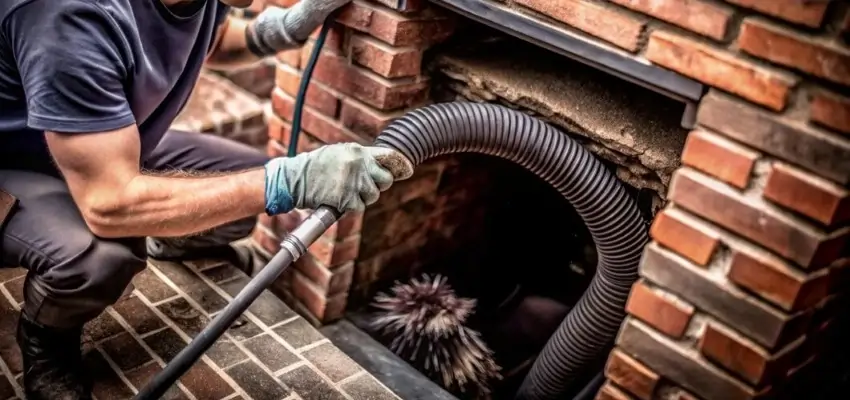
Clearer draft, cleaner flue: Chimney Cleaning for Port Moody homes

Due for Chimney Sweep service? Book ahead in Port Moody
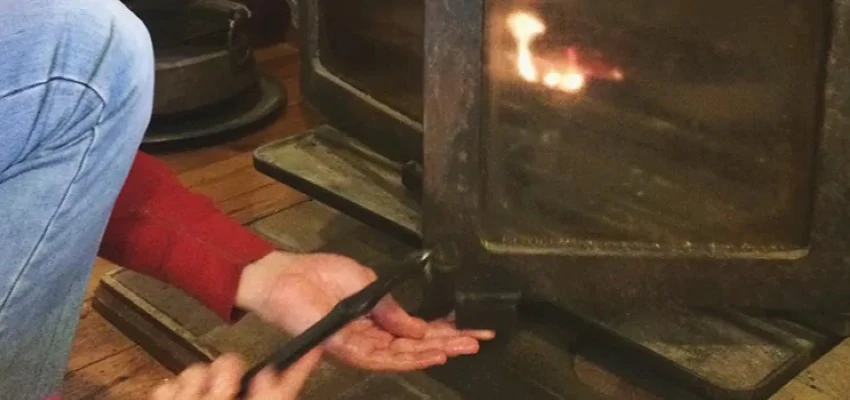
Complete Chimney Sweep Services for Port Moody homeowners
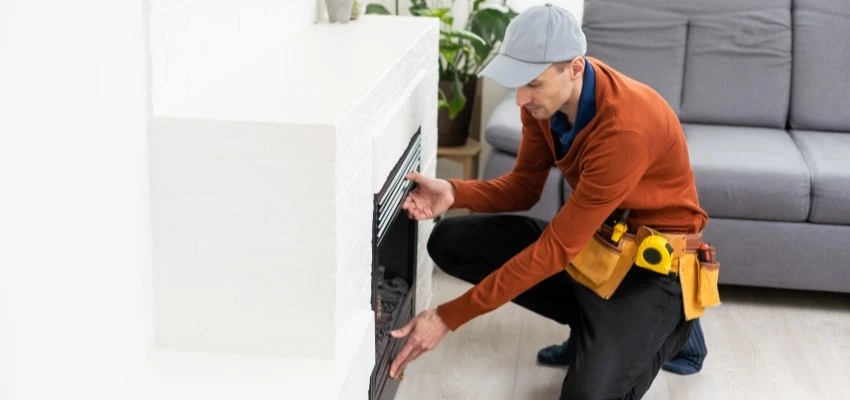
Smoke backing into the room? Call Fireplace Experts in Port Moody
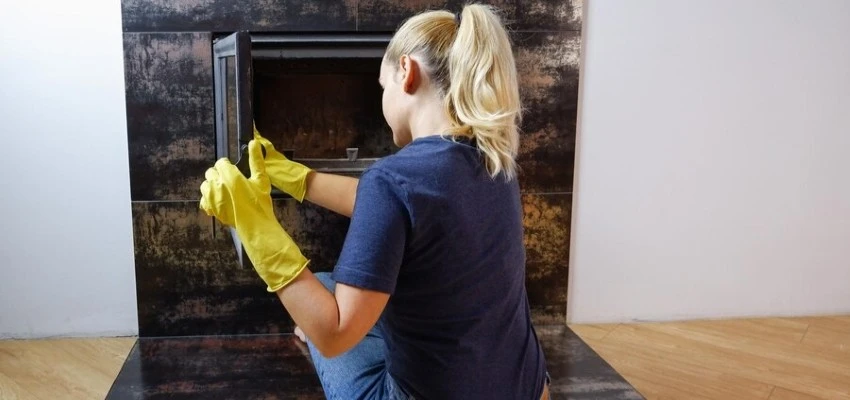
Control area vacuumed during Gas Fireplace Cleaning
A record of every Gas Fireplace Maintenance visit

