
Fill in the form below with your contact details and a short note, and we will prepare a quote for Fireplace Restore & Refurbish Services Port Moody
Fireplace work sits where looks and safety meet. A new surround has to cope with heat, a repaired firebox has to contain fire and every change has to leave the smoke a clear path out. If “fireplace restore & refurbish services” brought you here, the following answers give homeowners in Port Moody a grounded view of fireplace restoration and refurbishing: what is involved, what can go wrong when corners are cut and how to prepare for a smooth job.

Restoring aims to return a fireplace to its original condition and character, while refurbishing renews it, which can include updates the original never had. A restoration might rebuild a firebox with matching brick and reset original tiles; a refurbishment might keep the structure but add new doors, a fresh surround finish or a modern insert. Many projects blend the two: authentic where it matters, updated where it helps. When you look up “fireplace restore & refurbish services”, decide which parts you want preserved and which you are happy to change, since that shapes every quote.
Remodeling changes how a fireplace looks or what it burns, while repair restores parts that have worn out or been damaged. Refacing, a new mantel or a wood-to-gas conversion are remodeling jobs. Fixing cracked firebricks, a stuck damper, a deteriorated smoke chamber or rusted metal parts is repair. Many projects include both: a makeover often uncovers damage that should be fixed while the area is open, and a repair can be a good moment to update the finish. Knowing which kind of work you need helps you find the right people and compare quotes fairly.
Often they can. Tiles are removed one at a time with care and cleaned, and the old adhesive is ground off their backs before they are reset on a sound base. Cracked tiles can sometimes be repaired, and missing ones replaced with salvaged or reproduction pieces chosen to match. Tiles that are still firmly attached may only need cleaning and fresh grout. Some old tiles are fragile, so a few losses are possible even with careful handling. If original tiles are part of the reason you searched for “fireplace restore & refurbish services”, make their protection a written part of the plan.
Most firebox damage is repaired by repointing worn joints and replacing cracked bricks, without rebuilding the whole firebox. Old, loose mortar is raked out and replaced with refractory mortar made for direct heat, since ordinary mortar breaks down quickly in a firebox. Bricks that are cracked through or crumbling are cut out and replaced with matching firebrick. When large areas are failing, or the back wall has bulged, a section or the full firebox lining is rebuilt. Afterward, the repairs need time to cure, and the first fires should be kept small.
Small repairs, such as replacing a few firebricks or fixing a damper, often take a single visit, while refacing, mantel work or a conversion can take several working days spread over a week or two. Masonry and mortar need time to cure before the fireplace is used, and some finishes must set before the next layer goes on. Ordering stone, tile, a mantel or a gas insert can add weeks before work starts. Ask for a schedule that shows working days, waiting time for curing or materials and the earliest date you can light a fire again.

When we price fireplace work, we are estimating labor hours, materials and risk. Labor depends on how much needs to come apart, how tight the space is and whether the job calls for skilled masonry, carpentry or gas fitting. Materials range from inexpensive tile to heavy natural stone that needs extra support. Risk is the unknown: an old surround can hide damaged brick or framing that has to be fixed before anything new goes on. We explain up front how any extra work would be handled and priced, so a surprise behind the wall does not become a surprise on the invoice.
Ask the contractor for a specific date, because it depends on the materials used. Mortar, refractory cement and some adhesives need time to cure before they face heat, and lighting a fire too soon can crack fresh joints or loosen new finishes. After masonry work, the first fires are usually kept small to drive out remaining moisture gradually. Gas conversions are tested by the installer before handover. Keep the first few fires modest, watch for smoke in the room and make sure your smoke and carbon monoxide alarms work.
Rust on fireplace metal comes from moisture, so the main defense is keeping water out. A chimney cap stops rain from falling straight onto the damper and firebox, and a closed damper limits humid air in summer, unless gas logs require it open. Remove ashes after the season, since damp ash holds moisture against metal. Light surface rust on doors, frames or grates can be cleaned and touched up with high-temperature paint made for fireplaces. Heavy rust, flaking or holes in a damper or metal firebox need professional attention. Checking metal parts once a year catches problems early.
Ask to see their work, inside the firebox as well as on the wall. A company that does fireplaces well can show you finished surrounds and mantels, but also the less glamorous jobs: rebuilt fireboxes, parged smoke chambers and replaced dampers. Those pictures tell you it understands the working parts, not just the decoration. Listen for questions about your chimney and how you use the fireplace. A contractor who mentions an inspection before quoting, explains curing time and says which parts of the job go to a gas technician or other specialist is usually a safe pick.

The quote form takes a minute or two. Add your address in Port Moody, a line about what you need and how you would like us to reach you. Fill in the form and we will get back to you with a price and the next available times for fireplace restoration and refurbishing.
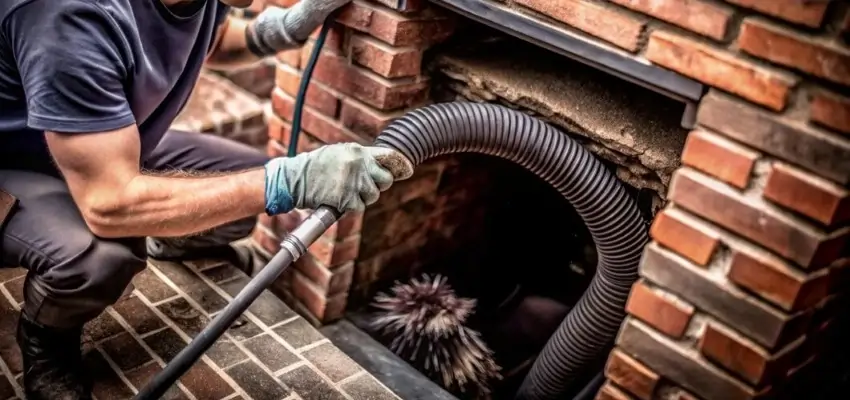
Clearer draft, cleaner flue: Chimney Cleaning for Port Moody homes

Due for Chimney Sweep service? Book ahead in Port Moody
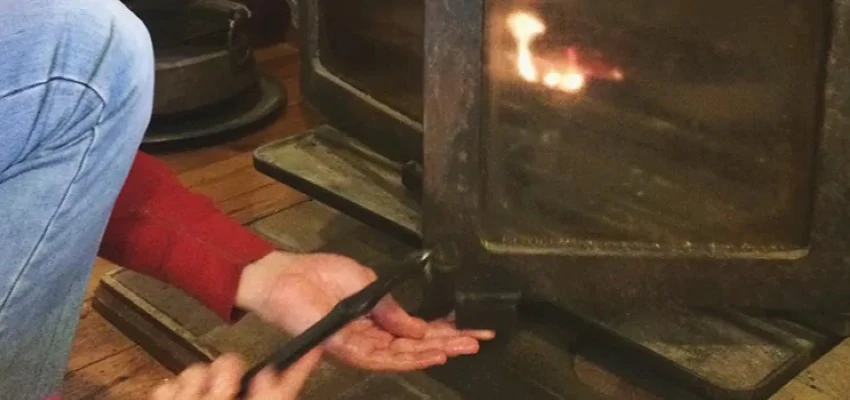
Complete Chimney Sweep Services for Port Moody homeowners
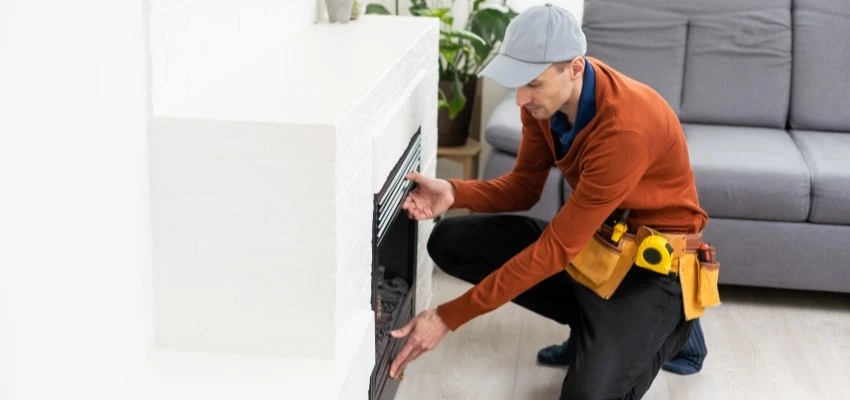
Smoke backing into the room? Call Fireplace Experts in Port Moody
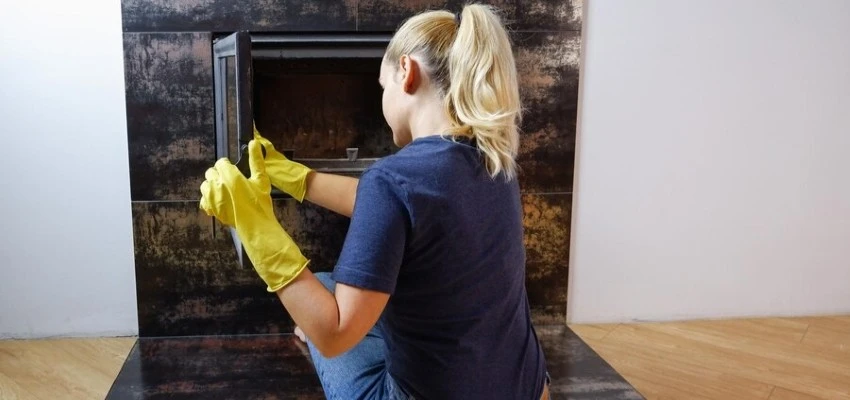
Control area vacuumed during Gas Fireplace Cleaning
A record of every Gas Fireplace Maintenance visit

