
Fill in the form below with your contact details and a short note, and we will prepare a quote for Fireplace Safety Inspection Port Moody
A fireplace or wood stove is part heater, part centerpiece and part exhaust system, and each part needs its own kind of attention. Homeowners in Port Moody who search for “fireplace safety inspection” often start with one problem and discover that the whole picture matters. Here you will find straightforward answers about fireplace inspection, from the basics of creosote and drafts to choosing who works on your home. Dip into whichever answers match your situation.

A fireplace becomes unsafe when it can no longer keep heat, sparks and smoke where they belong. The usual culprits are heavy creosote that can ignite, cracked flue tiles or firebrick that let heat reach wood framing, a missing or damaged hearth extension, mantels and trim too close to the opening and blockages that push smoke and carbon monoxide into the room. Missing smoke and carbon monoxide alarms add to the risk. A fireplace safety inspection looks for each of these in turn, so you know whether to keep using the fireplace, plan a repair or stop until it is fixed.
A wood-burning fireplace or stove needs regular care because every fire leaves residue behind, and that residue builds up where you cannot see it. Smoke cools as it rises and coats the flue with soot and creosote, which narrows the passage and can catch fire. Heat also slowly wears down mortar, firebrick, door seals and metal parts. Left alone for years, those small changes add up to poor drafts, smoky rooms and costly repairs. A yearly check, plus a sweep when buildup calls for it, keeps the fire drawing well and catches problems while they are still minor. Working smoke and carbon monoxide alarms complete the picture.
A sweep removes soot and creosote, while an inspection checks the condition of the fireplace or stove and the chimney it vents into. Cleaning tells you how much buildup there was; an inspection tells you whether everything is sound and set up correctly. Many homeowners book both together, because a clean flue is easier to examine and the technician can spot cracks, gaps or worn parts that the deposits were hiding. If you can only schedule one, start with an inspection, since it shows whether a sweep or a repair is needed at all.
Not until someone has looked inside, because an idle chimney fills up with things nobody can see from the room. On a first visit to a long-unused fireplace or stove, we routinely pull out nests, twigs, leaves and fallen mortar. We also check for animals that may still be living in the flue, a damper rusted shut and flue tiles that cracked while nobody was watching. Then we sweep, run a camera up the flue when needed and walk the homeowner through what we saw. Many of these systems go back into service after a cleaning and a few repairs.
A routine cleaning or inspection usually takes about one to two hours, and a combined sweep and inspection can run a little longer. Time depends on how much creosote has built up, how tall the chimney is, whether the roof has to be accessed and whether a stovepipe must come apart. Glazed deposits and any small repairs agreed on during the visit add time, while larger masonry work is normally scheduled separately. Plan to be home for the whole visit and allow a few minutes at the end to go over the findings. Describing your setup when booking helps the company estimate the time.

Many chimneys can be cleaned from inside, through the fireplace opening or stove, but a complete job often includes a look from the roof as well. Working from below with flexible rods handles plenty of flues, especially with a vacuum holding the dust back. The roof is where the cap, crown, flue top and outside masonry can be checked, and some caps or tight bends make cleaning from the top easier. Technicians only go up when weather and roof conditions allow it safely. Mention steep pitches, fragile roofing or tight ladder space when you book.
Most fireplace safety comes down to daily habits. Use a screen or glass doors whenever a fire burns, never leave a fire unattended and make sure it is fully out before bed or leaving the house. Keep children and pets back from the hearth, and keep rugs, furniture and decorations a safe distance from the opening. Never use gasoline or other accelerants to start a fire. Keep a fire extinguisher nearby and test your alarms monthly. These habits work alongside a yearly “fireplace safety inspection” visit, which catches what you cannot see.
Ashes are cleaned out safely by waiting until they are cold, scooping them into a lidded metal bucket and taking that bucket straight outside. Cold ash only, every time; any warmth deep in the pile means it waits. Once outside, the bucket belongs on bare ground or concrete, where a surviving ember can do no harm. We have seen ash buckets left on wooden decks and in garages, which is exactly where they should not be. Daily stove users may empty the pan every day or two, and ash vacuums made for the job are an option once everything is fully cold.
Check the parts that sat untouched all summer, the alarms and the wood supply; our own pre-season list is that short. Dampers can rust or stick, so work them open and closed. Caps and screens may have gathered leaves or a nest. Glass door latches and stove gaskets should still close snugly. A carbon monoxide alarm with a dead battery protects nobody, so test it. Then comes the fire itself: dry kindling, seasoned logs and a modest first burn while you watch how the smoke behaves. If it rolls into the room or smells odd, let it die down and call for a check.

Once you know the work is due, the next step is simple. Tell us a little about your fireplace and the days that suit you, and we will suggest a time that works. Request a quote and the Chimney Sweep Port Moody team will follow up with details.
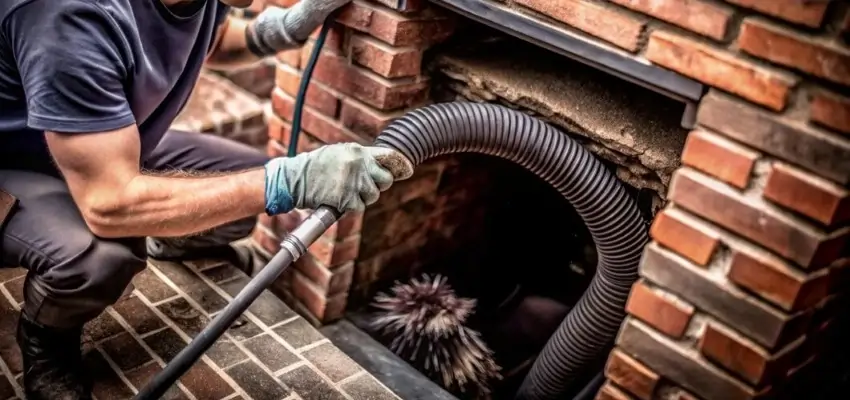
Clearer draft, cleaner flue: Chimney Cleaning for Port Moody homes
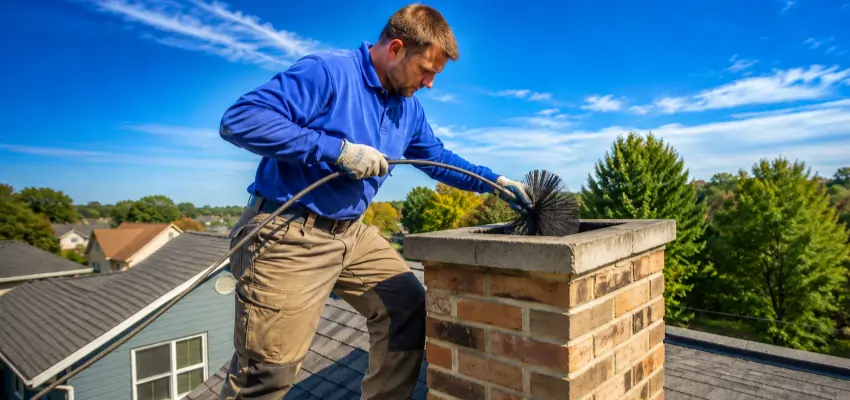
Due for Chimney Sweep service? Book ahead in Port Moody
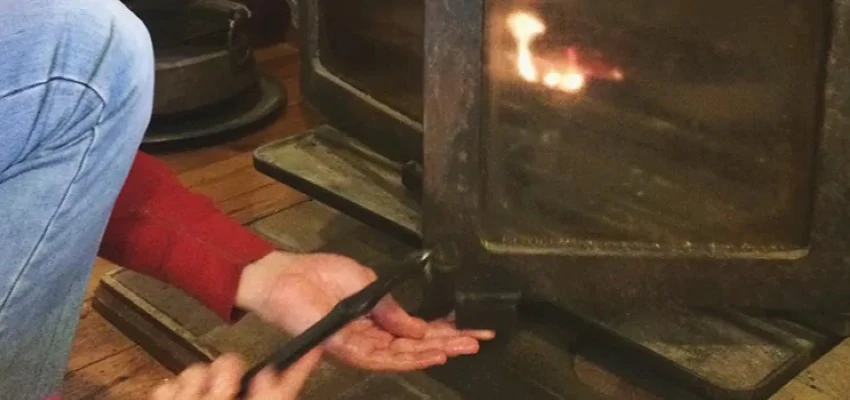
Complete Chimney Sweep Services for Port Moody homeowners
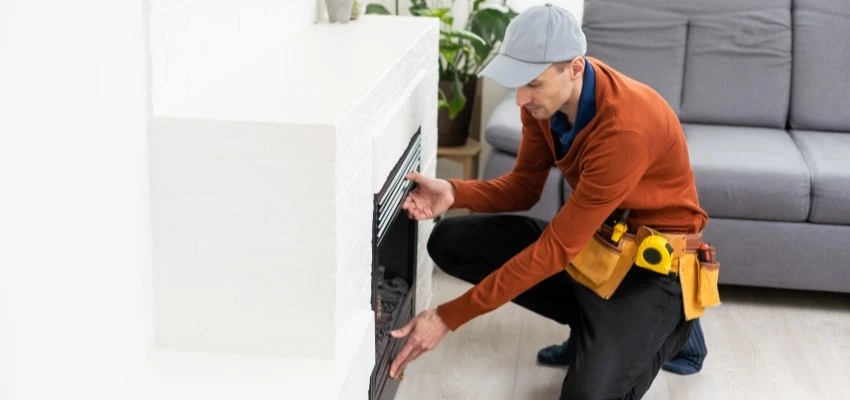
Smoke backing into the room? Call Fireplace Experts in Port Moody
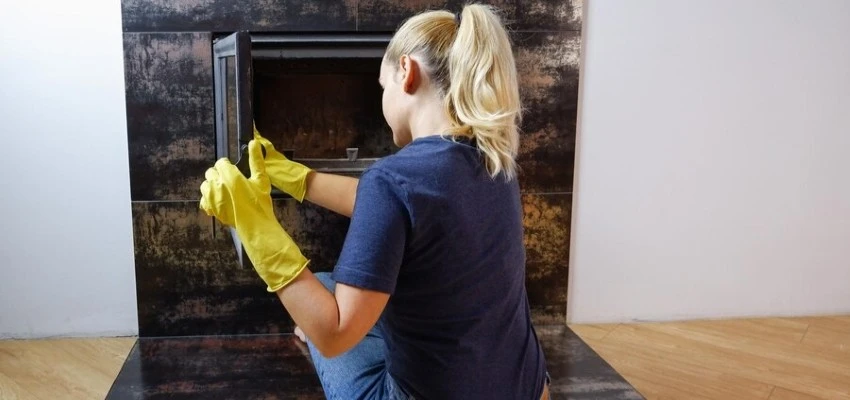
Control area vacuumed during Gas Fireplace Cleaning
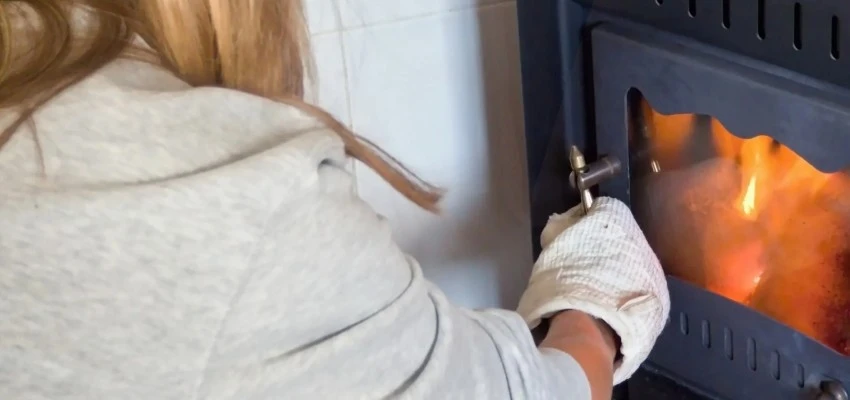
A record of every Gas Fireplace Maintenance visit

