
Fill in the form below with your contact details and a short note, and we will prepare a quote for Fireplace Smell Removal Port Moody
Most of what homeowners ask about wood fires comes down to three worries: is it safe, is it working properly and what will it take to fix? This page tackles all three for households in Port Moody. If you arrived by searching for “fireplace smell removal”, you will find fireplace odor removal explained without jargon, with notes on what changes from one home to the next and which checks need no ladder or tools.

The chimney is the main part of any cleaning we do, and the firebox is only the starting point. Soot settles on every surface the smoke touches, from the damper or stove outlet all the way up to the cap, and the heaviest deposits usually sit just above the fire, where the gases first cool. We brush that entire path, pull the debris down into a contained vacuum, then clear the firebox and the hearth. When a company only scoops ashes and wipes the doors, the part that matters for safety has been skipped, and the next fire runs through the same dirty flue.
A fireplace or stove needs cleaning when the flue turns matte black and furry with deposits, or when fires start losing their pull. We judge it by thickness and texture, but homeowners can spot the effects from the hearth. Fires get lazy, drafts weaken and the room picks up a stale smell between uses. In stoves, the glass blackens faster and the baffle collects a crust. Heavy users often reach that point before the season ends, while occasional users may go a full year or more. When in doubt, a quick inspection settles it without guesswork.
Odor in warm months is one of the most common calls we get, and the cause is nearly always creosote reacting with humidity. Those deposits absorb moisture and release a stale campfire smell, which drifts indoors whenever the house draws air down the flue. We clean the flue to remove the source, check whether the damper seals and look at the cap, since rain soaking into soot makes things noticeably worse. In homes around Port Moody where the problem keeps returning, a top-sealing damper that closes at the very top of the chimney is often the change that settles it.
Each smell points to a different cause. A stale campfire smell, strongest in humid weather, usually means creosote in the flue. A musty or damp odor suggests water getting in through the cap, crown or masonry. A sharp, rotten smell can mean an animal has died in the chimney. A burning-dust smell on the first fire of the season is common and fades quickly. A chemical odor may come from new paint or parts curing after a repair. Matching the smell to its source is the first step in fireplace smell removal, since each one needs a different fix.
A smoky odor is handled by removing the creosote and soot that cause it, then stopping air from carrying what remains into the room. A thorough sweep of the flue and firebox is the first step and takes care of most of the smell. After that, a damper that seals properly, a cap that keeps rain off the deposits and glass doors on an open fireplace all help. Some homeowners leave a tray of baking soda or activated charcoal in the cold firebox during warm months to absorb lingering odor. A sharp or rotten smell points to an animal in the flue instead.

The schedule depends on how much you burn and how cleanly, more than on the calendar. For a household with occasional fires, a yearly visit usually finds a light layer ready to come out. Someone heating with a stove every day may need cleaning before the season ends, especially if the wood is not fully seasoned. Signs between visits help too: black flakes on the hearth, slower starts and darker glass all suggest buildup is growing. Jot down the date of each sweep along with how heavy the deposits were, and after a season or two the right interval becomes clear.
Leave it largely as it is, apart from unburned logs and decorative pieces. We actually prefer to see the firebox before anyone tidies it, because what lies on the floor tells a story: black flakes suggest creosote breaking loose above, mortar crumbs point to joint wear and gritty debris can mean a crown or cap problem. Shoveling out warm ash is the one thing to avoid, since embers can survive in an ash bed for days. If the pile is overflowing and stone cold, removing some of it is perfectly fine.
Keep the deposits low, keep water out and keep the damper closed when the fireplace is not in use. Burning dry wood and having the flue swept on schedule limits the creosote that causes most odors. A chimney cap and a sound crown keep rain from soaking into the soot. Glass doors and a tight-sealing damper reduce the air that drifts down the chimney, especially when kitchen or bathroom fans run. If the smell returns every summer despite these steps, ask about a top-mounted damper as part of your fireplace smell removal plan.
Ask about scope, evidence and pricing, since those answers reveal most of what you need to know:
It is also fair to ask whether they work on your type of appliance. Specific, confident answers are reassuring; vague ones are a cue to compare another company.

Tell us your address in Port Moody, what you have noticed and when you are usually home. That is all we need to plan fireplace odor removal around your schedule. Send the details and the Chimney Sweep Port Moody team will reply with options and a price.
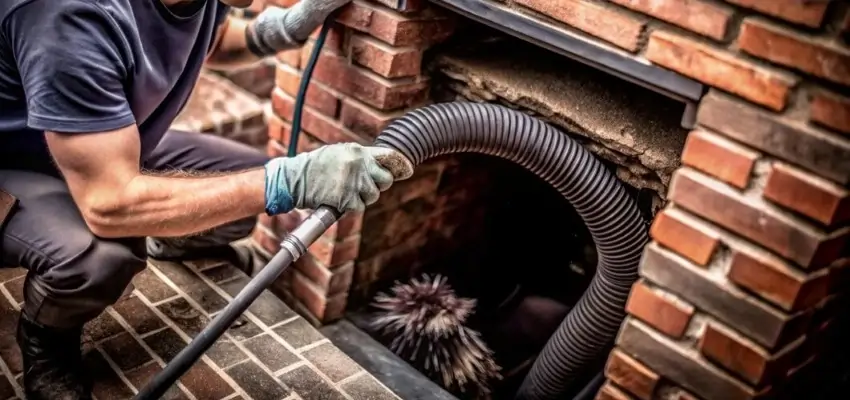
Clearer draft, cleaner flue: Chimney Cleaning for Port Moody homes

Due for Chimney Sweep service? Book ahead in Port Moody
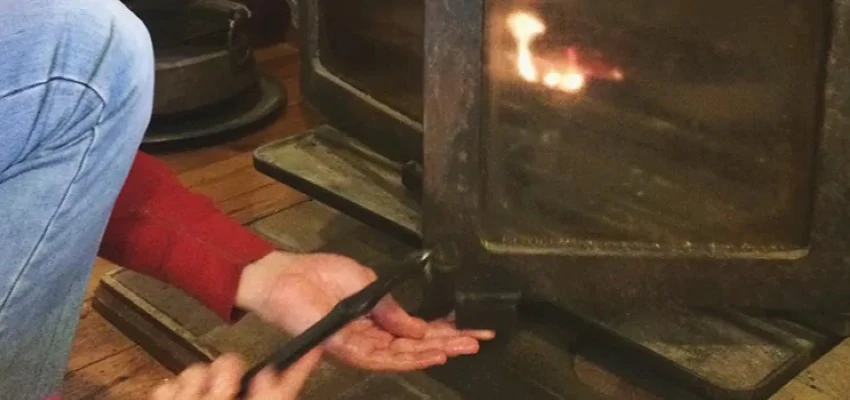
Complete Chimney Sweep Services for Port Moody homeowners

Smoke backing into the room? Call Fireplace Experts in Port Moody
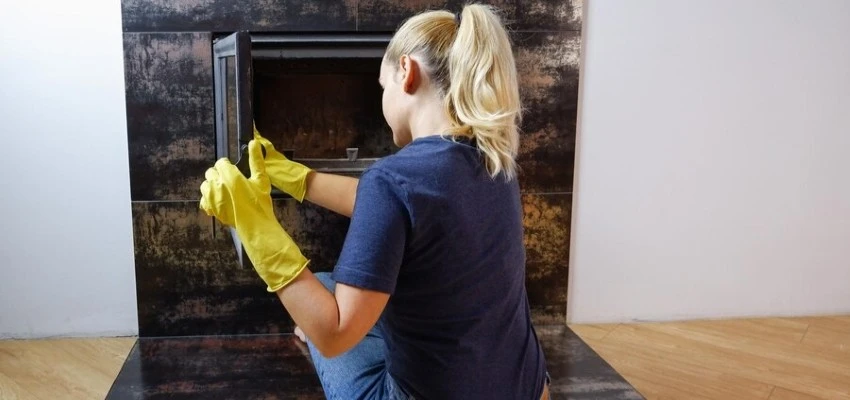
Control area vacuumed during Gas Fireplace Cleaning
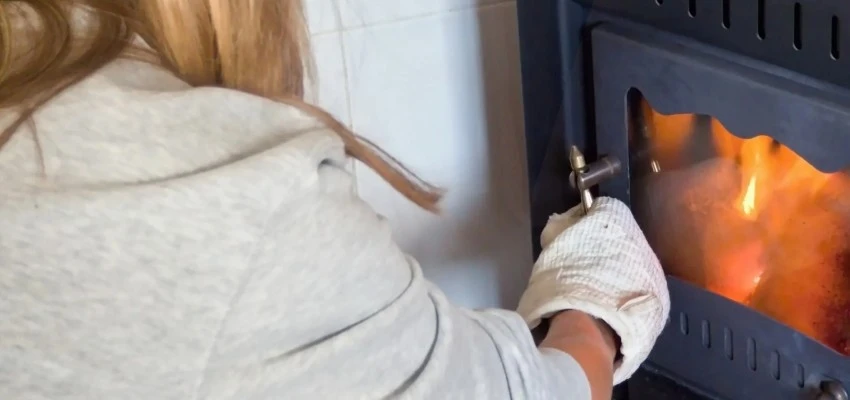
A record of every Gas Fireplace Maintenance visit

