
Fill in the form below with your contact details and a short note, and we will prepare a quote for Fireplace Throat Services Port Moody
The months when a fireplace sits unused are often the easiest time to work on it. Masonry needs time to cure, materials may need ordering and nobody wants a half-finished hearth when the weather turns cold. If you searched for “fireplace throat services” while planning ahead, the answers here help households in Port Moody map out fireplace throat repair, from the first inspection to the first fire afterward.

It is the transition zone between the throat and the flue, and it does more work than most people realize. Shaped like an inverted funnel, it gathers smoke and guides it into the flue opening. When we look up past the damper with a camera, we often find corbelled brick steps, missing mortar or a layer of glazed creosote clinging to rough walls. Those surfaces slow and swirl the smoke, which can push it back into the room and let deposits build. A smooth, sound chamber helps the fireplace draft properly and keeps hot gases away from the house structure.
The throat is the narrow opening at the top of the firebox where smoke leaves the fire and enters the chimney system. In most masonry fireplaces, the damper sits in the throat, and just behind it is the smoke shelf, with the smoke chamber above. The shape of the throat helps the fireplace draft, so damage or poor construction there can cause smoke to spill into the room. People searching for “fireplace throat services” are usually dealing with a damper that sticks, debris on the shelf or crumbling masonry around the opening, all of which are part of throat work.
Look for cracked or missing firebricks, gaps in the mortar joints, smoke that drifts into the room, a damper that sticks or will not close, rust or flaking metal and stains or cracks on the surround or mantel. Bits of mortar or brick in the ash, a strong odor after rain and drafts when the fireplace is cold are other clues. Any of these deserves a professional look, ideally before the next fire. Many homeowners also have the fireplace checked once a year, which catches small problems while they are still simple to fix.
A throat service usually covers cleaning the throat and smoke shelf, checking and adjusting the damper and inspecting the masonry around the opening and up into the smoke chamber. Depending on what turns up, it can extend to freeing or replacing the damper, repointing joints with refractory mortar and smoothing the transition into the smoke chamber. A camera or mirror is used for areas that cannot be seen directly. When you collect quotes after a search for “fireplace throat services”, ask which of these steps are included as standard and which would be priced separately if needed.
We repair when the frame and plate are sound, and replace when they are not. Freeing a seized pivot, fitting a new handle or clearing debris off the smoke shelf is a modest job. Once the plate has rusted thin or warped badly, a matching throat damper can be hard to find for older fireplaces, so many homeowners choose a top-sealing damper instead. It closes at the chimney top with a gasketed lid, cuts drafts better than most throat dampers and keeps rain off the masonry. Installing one means roof work, which affects the quote, so we discuss both routes before starting.

When we price fireplace work, we are estimating labor hours, materials and risk. Labor depends on how much needs to come apart, how tight the space is and whether the job calls for skilled masonry, carpentry or gas fitting. Materials range from inexpensive tile to heavy natural stone that needs extra support. Risk is the unknown: an old surround can hide damaged brick or framing that has to be fixed before anything new goes on. We explain up front how any extra work would be handled and priced, so a surprise behind the wall does not become a surprise on the invoice.
The working time is usually shorter than the calendar time. A damper or firebrick repair may take a few hours, and a surround can be refaced in a few working days, but mortar and adhesives need curing time and gas work needs scheduling and testing. Materials are the other variable: custom stone, a made-to-order mantel or an insert can take weeks to arrive. We give homeowners two dates when we plan: when work starts and when the fireplace can be used again. For most families the second date matters most, especially heading into the colder months.
We give every customer a first-fire date, and it is set by the slowest-curing material in the job. Fresh mortar and refractory products hold water, and heating them too fast turns that water to steam inside the joint, which can crack it before it has hardened. So after firebox, throat or smoke chamber work, we recommend a few small fires before a full one. Tile and stone surrounds have their own adhesive cure times. Gas units are lit and tested on installation day, then left ready to use. Call us if anything looks or smells unusual during those first fires.
Knowing the area saves time on almost every fireplace job. In older and newer neighborhoods alike, we see the same brick styles, the same original dampers and the same surround materials again and again, so we can often predict what is behind a finish before it comes off. We also know which suppliers stock matching brick, stone and refractory materials and how long their orders take. Projects that need several visits, with curing time in between, run more smoothly when the crew is close by. And if a question comes up after the work, you can reach us directly.

If you already know the work needs doing, booking early gives you more choice of dates and less to think about later. Tell us roughly when you would like the visit in Port Moody and we will hold a time for you. Reserve your visit.
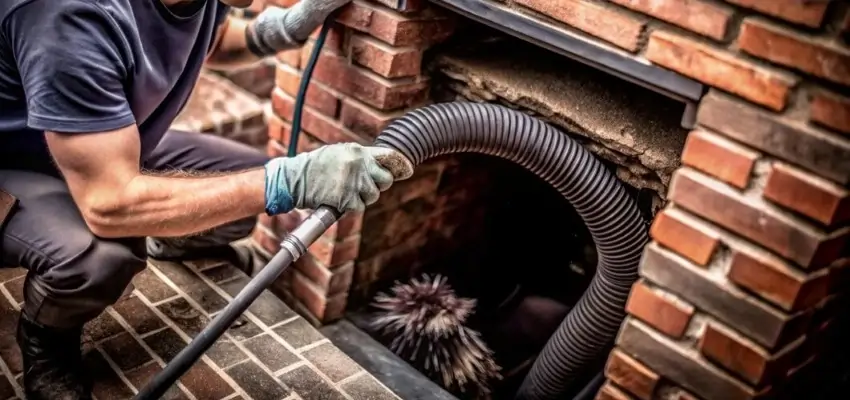
Clearer draft, cleaner flue: Chimney Cleaning for Port Moody homes

Due for Chimney Sweep service? Book ahead in Port Moody
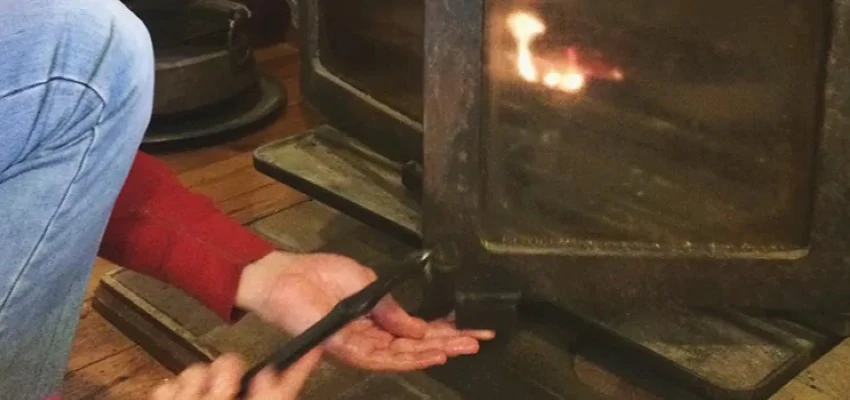
Complete Chimney Sweep Services for Port Moody homeowners

Smoke backing into the room? Call Fireplace Experts in Port Moody
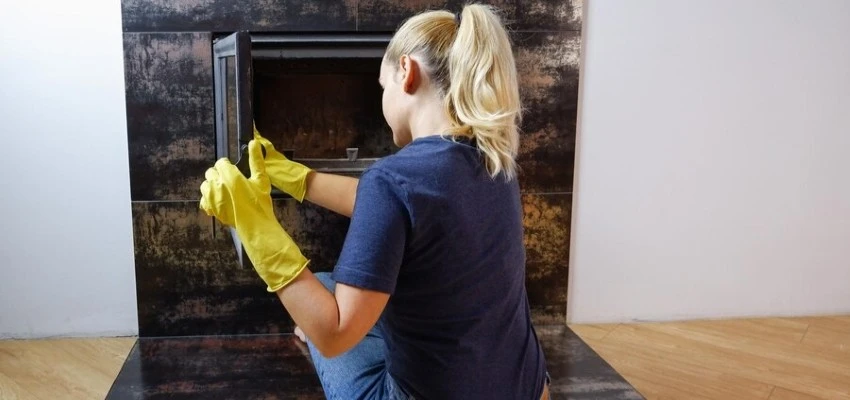
Control area vacuumed during Gas Fireplace Cleaning
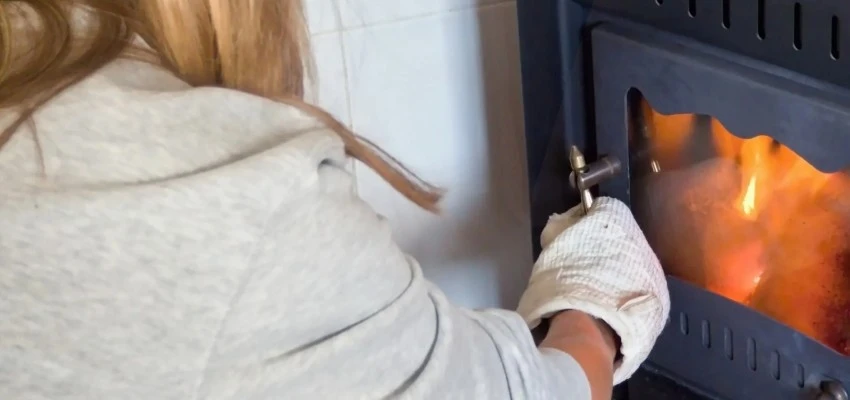
A record of every Gas Fireplace Maintenance visit

