
Fill in the form below with your contact details and a short note, and we will prepare a quote for Fix Blocked Chimney Port Moody
Nobody needs to panic about a chimney, and nobody should ignore one either. The sensible middle ground is knowing what to watch for and when to bring in help. If “fix blocked chimney” is what you typed, this page lays out that middle ground for people in Port Moody: what blocked chimney clearing involves, what a technician looks at and what you can keep an eye on between visits, all in plain terms and with the reasoning behind each answer.

An unswept flue slowly narrows and fills with fuel for a chimney fire, and stopping that is the short version of why we sweep. On the job, the deposits we pull out range from light, dusty soot to crusty flakes and shiny, hardened tar. Each layer makes the next one easier to form, because a rough, narrowed flue cools smoke faster. A neglected chimney also hides its own damage, since nobody can see a cracked tile or a gap in the mortar through a thick coat of buildup. Clearing it is what lets us tell an owner in Port Moody whether the fireplace or stove is ready to use.
Most chimney blockages come from nests, wind-blown leaves and twigs, creosote that has flaked off and piled up, or pieces of brick and flue tile that have broken loose, and they show up as smoke spilling into the room and fires that will not draw. You may also see debris dropping onto the grate, smell soot when nothing is burning or hear a CO alarm if a gas appliance shares the flue. A missing or damaged cap makes all of this more likely. Stop using every appliance connected to that chimney until it has been checked, since a blocked flue sends smoke and carbon monoxide back indoors.
Signs of a chimney fire include a loud roaring or popping sound, dense smoke, a strong hot smell and sparks or flames from the top of the chimney, but many chimney fires burn quietly and are only discovered later. Afterward you might notice puffy, honeycomb-like flakes of creosote on the roof or ground, a warped damper or cap, cracked flue tiles or discolored metal. If you think a fire is happening, get everyone outside and call the fire department. If you suspect one happened in the past, stop using the fireplace or stove until the chimney has been inspected.
A common guideline is to have a chimney inspected once a year and swept whenever that inspection finds meaningful buildup, which for a fireplace or stove used regularly usually means about once a year. Heavy users, such as households heating mainly with wood, may need sweeping more than once per season. A fireplace lit only a few times each winter may go longer between sweeps, yet it still benefits from the yearly look, because nests, water damage and cracks have nothing to do with how often you burn. Many sweeps regard about an eighth of an inch of buildup as the point where cleaning is due.
Usually not. Most blockages are made of debris such as leaves, nests or fallen creosote, and once that is cleared the chimney often works normally again with nothing more than a sweep and a new or refitted cap. Bigger work comes into play only when the blockage was caused by the chimney breaking down, for example flue tiles that have cracked and slid or a liner that has come apart. Even then, relining the flue is a far more common answer than rebuilding the chimney. Ask to see camera footage before agreeing to anything large after blocked chimney clearing, since it shows plainly whether the structure is part of the problem.

Leave the fireplace or stove unused until the chimney is cleared, because even a partly blocked flue cannot carry away all the smoke and carbon monoxide a fire produces. Some smoke may still rise, which makes a partial blockage easy to underestimate. Close the damper and any glass doors, and if a furnace or water heater shares the chimney, mention it right away when you call. Keep CO alarms working on every level. If anyone in the household needs extra heat in the meantime, use a safe alternative rather than the blocked appliance.
Your part is mostly to stop using it and gather clues. Do not light the fireplace or stove; if a furnace or water heater vents into the same chimney, mention it right away when you call and keep your carbon monoxide alarms working, and leave gas valves, burners and appliance settings to a qualified gas technician. Keep the damper shut if you suspect an animal. From the hearth, a flashlight can show whether debris is sitting on the smoke shelf. From the ground, check whether the cap is missing or damaged. Resist pushing poles up the flue. People who search “fix blocked chimney” sometimes make things worse by forcing debris tighter.
Some owners do sweep their own chimneys, but we see enough DIY mishaps to suggest leaving the flue to a professional. Wire brushes can scratch stainless steel liners, and rods pushed from below without a vacuum spread soot through the room. Falls from roofs are a real risk. Sweeping logs can make loose creosote flakier so it drops more easily, which helps between visits, yet the debris still has to come out and the flue still needs a look. The parts we encourage owners to handle are good burning habits and visual checks; cleaning and inspecting are where trained eyes and proper tools pay off.
If the sweep finds damage, ask to see it, ask what it means for safety and get a written quote before you agree to anything, since a sound recommendation can always be shown and explained. Photos or camera footage should make the problem clear. Ask whether the fireplace or stove can be used in the meantime, and which repairs are urgent and which can be planned. Common findings include a cracked crown, loose flashing, a rusted damper, a missing cap or cracked flue tiles. For larger jobs, such as relining, a second opinion is reasonable. Avoid deciding under pressure on the doorstep.

A proper look at your chimney means one less worry for everyone under your roof. We explain what we checked and what we recommend, step by step, in plain words. Call (778) 719-4866 to book blocked chimney clearing in Port Moody.
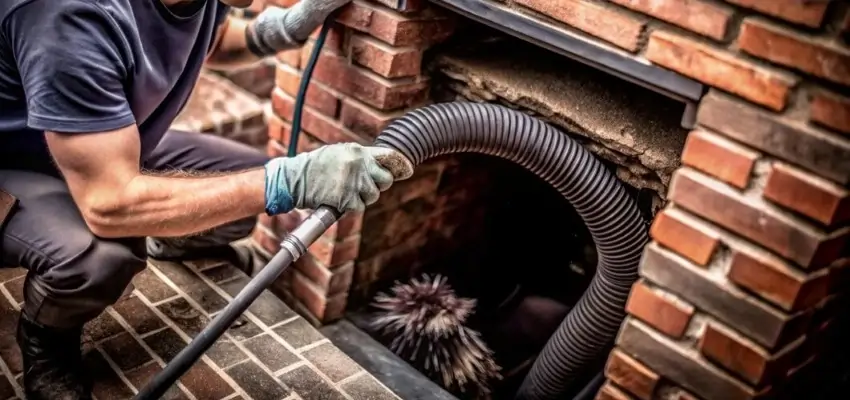
Clearer draft, cleaner flue: Chimney Cleaning for Port Moody homes
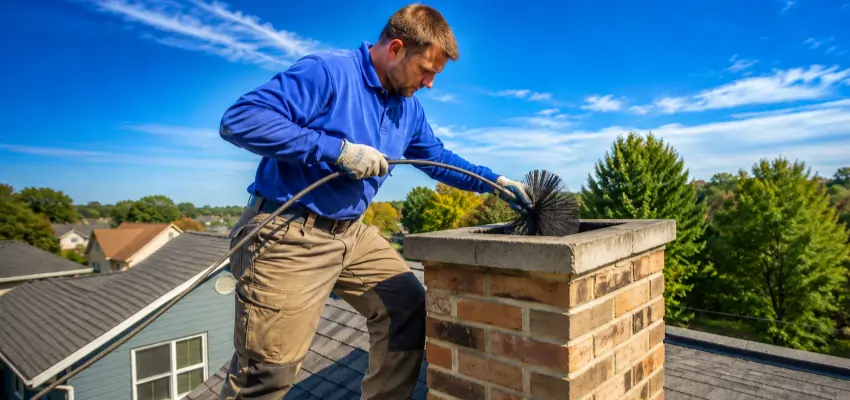
Due for Chimney Sweep service? Book ahead in Port Moody
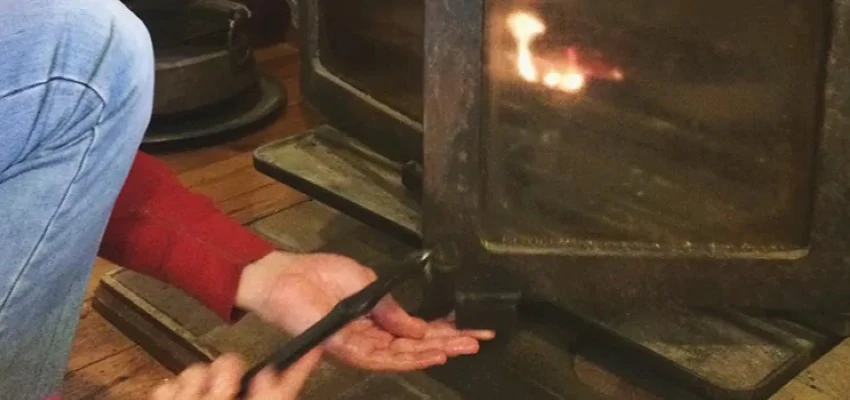
Complete Chimney Sweep Services for Port Moody homeowners
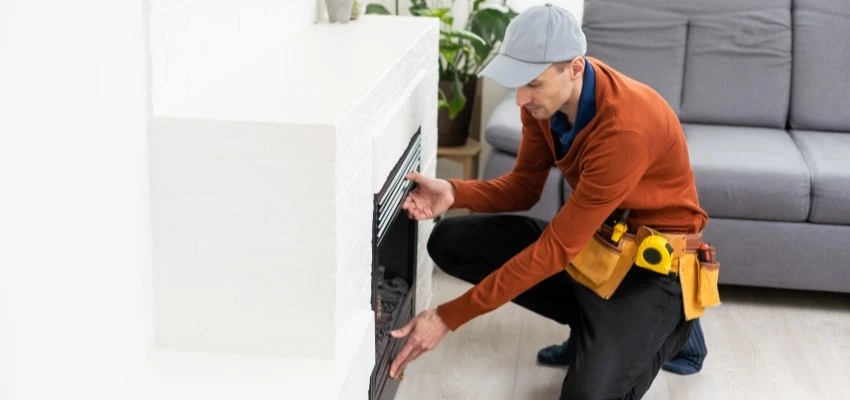
Smoke backing into the room? Call Fireplace Experts in Port Moody
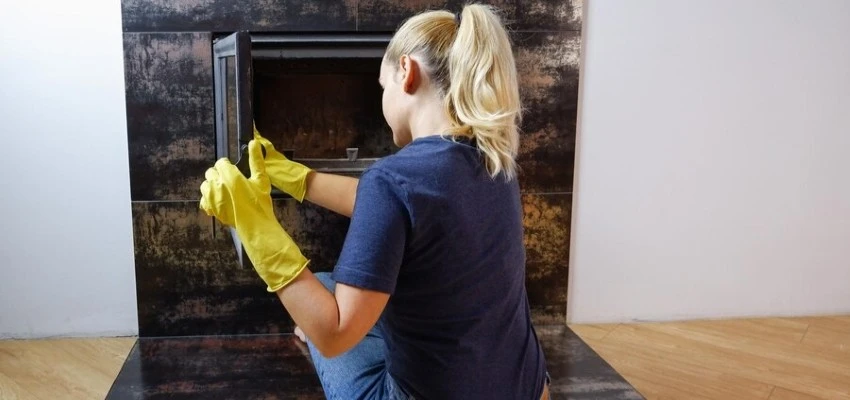
Control area vacuumed during Gas Fireplace Cleaning
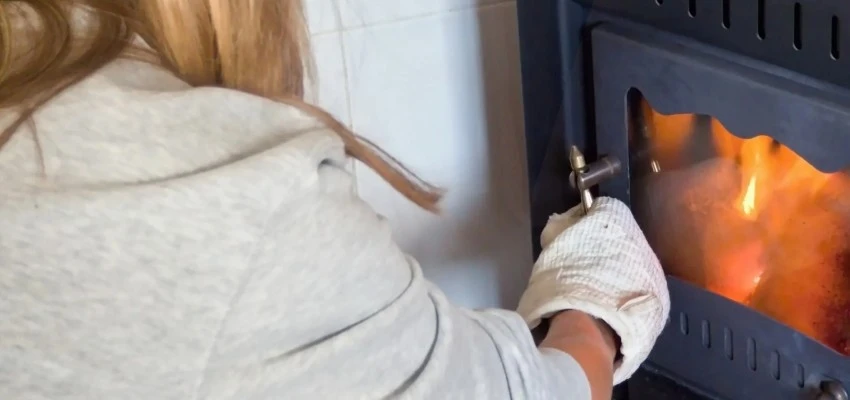
A record of every Gas Fireplace Maintenance visit

