
Fill in the form below with your contact details and a short note, and we will prepare a quote for Flue Cleaning Port Moody
A smoky smell on a humid afternoon, scratching above the damper, a fire that refuses to draw: chimneys tend to announce trouble in small ways first. If one of those moments led you to search for “flue cleaning”, you are in a good place to start. This page walks through flue cleaning for buildings around Port Moody, explaining what usually causes problems, what a visit involves and which simple checks you can make safely on your own.

Soot and creosote are different deposits: soot is a dry, powdery carbon dust, while creosote is a tarry residue from wood smoke that can be flaky, sticky or glassy. Soot comes from incomplete burning and can be left by wood, oil or a gas appliance that is not running cleanly. It is lighter and brushes away easily, but it still narrows the flue and can hold moisture and odors. Creosote is the bigger fire concern because of its oily base. Seen from the firebox, soot looks like fine black powder, while creosote looks crusty, shiny or tar-like. A technician adjusts the cleaning to match.
Oil burners do not leave creosote, but they can produce soot and a flaky scale, especially when the burner is out of adjustment. Their exhaust is also acidic and moist, which can wear down masonry flues and unlined chimneys over time, so debris often collects at the base. These flues are commonly checked and cleaned once a year, often timed with the furnace or boiler service. The burner itself should be serviced by a qualified heating technician. A “flue cleaning” visit for an oil appliance focuses on removing soot and scale and checking the liner for corrosion.
Glazed creosote comes off with tools and time, since an ordinary brush glides over it like a broom on ice. We describe creosote in three stages: a loose, sooty layer that brushes away, a crunchy, flaky layer that needs stiffer heads, and a glossy third stage that clings to the liner like candy coating. For that last stage we use rotary heads with chains or cutting blades, spun on a drill and matched carefully to the liner so we do not damage it. Chemical modifiers help too, turning the glaze into a brittle crust we can sweep out later. Each method has limits, so we explain them first.
Late spring and summer are often the easiest times to have a chimney swept. The burning season is over, so the flue holds a full year of deposits, and sweeping then clears them before humid weather brings out odors. Appointments are also easier to get than in early fall, when many people remember their chimney at the same moment. Fall still works if you book ahead and leave time for any repairs the visit turns up. Heavy wood burners may add a midwinter check. If something already seems wrong, book right away instead of holding out for a particular month.
A chimney quote is mostly time, access and materials, in that order. A single-story house with a gentle roof pitch and one lightly coated flue is quick. A three-story chimney, a slate or tile roof that needs extra care, or a cluster of flues on an apartment building calls for more equipment and more hands. Condition matters too: a flue we can brush in one pass costs less than one that needs rotary tools or several trips. Parts such as caps, dampers or liner sections are separate from labor. We would rather explain those factors up front than surprise anyone later.

Someone usually needs to be home during a chimney visit, because most of the work starts at the fireplace or stove inside. An adult who can let the technician in, show where the appliances are and answer a few questions is enough. Try to be around at the end too, when the findings are explained and you can ask about anything that was noted. Roof-only tasks, such as checking a cap, can sometimes be done while you are out, but agree on that in advance. Landlords can arrange for a tenant or property manager to be present instead.
A cold firebox and a bare hearth help us more than anything else. Clear a few feet of floor for the vacuum and drop cloths, and lift screens and ornaments off the hearth itself. Warm ash is the most common reason a job starts late, since we cannot clean safely until it has cooled. Outside, we need a stable spot near the chimney for the ladder, so mention soft ground, flower beds or a deck that might be in the way. Tell us about alarm systems, a dog that dislikes visitors or a roof that is easier to reach from the back. Those small details save time on the day.
Yes. A flue narrowed by buildup draws less air through the fire, so the fire burns cooler and smokier, which in turn deposits more creosote. With a stove, you may notice it is harder to reach a good operating temperature, the glass blackens quickly and the room takes longer to warm. Open fireplaces may smoke at the front and struggle to stay lit. After flue cleaning, many owners find fires start more easily and burn more steadily, simply because the draft is back to what the appliance was designed for.
The chimneys we find cleanest belong to owners who burn hot and dry. Creosote forms when smoke cools before it leaves the flue, so anything that keeps smoke hot and thin helps. Well-seasoned wood looks gray, has cracked ends and knocks hollow; heavy, fresh-looking logs hiss and smoke. Top-down fires, with kindling above the larger pieces, tend to burn cleanly from the start. Stove owners who run a brisk fire for a while each morning, rather than smoldering it all night, also see less buildup. A flue that stays lightly coated from one year to the next is the clearest proof the routine is working.

If another company gave you a recommendation that does not feel right, we are happy to take a fresh look. You will get our honest view of your chimney, with no pressure either way. Ask Chimney Sweep Port Moody for a second look in Port Moody.
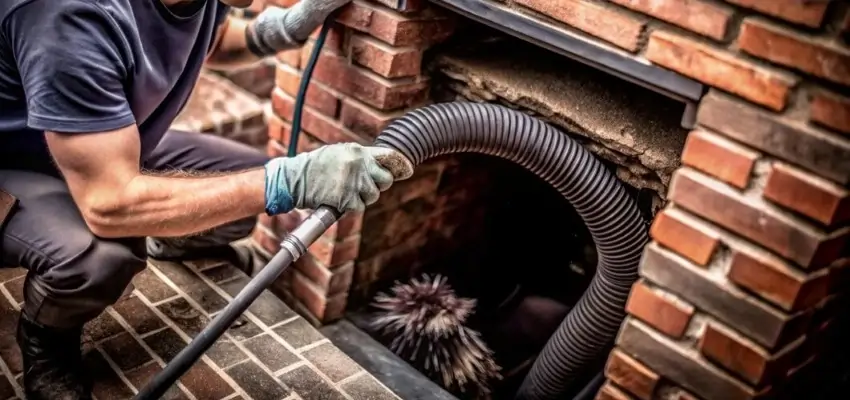
Clearer draft, cleaner flue: Chimney Cleaning for Port Moody homes

Due for Chimney Sweep service? Book ahead in Port Moody
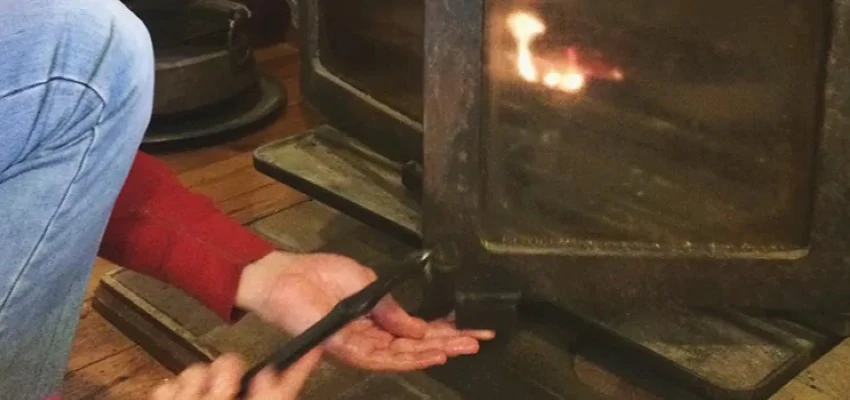
Complete Chimney Sweep Services for Port Moody homeowners
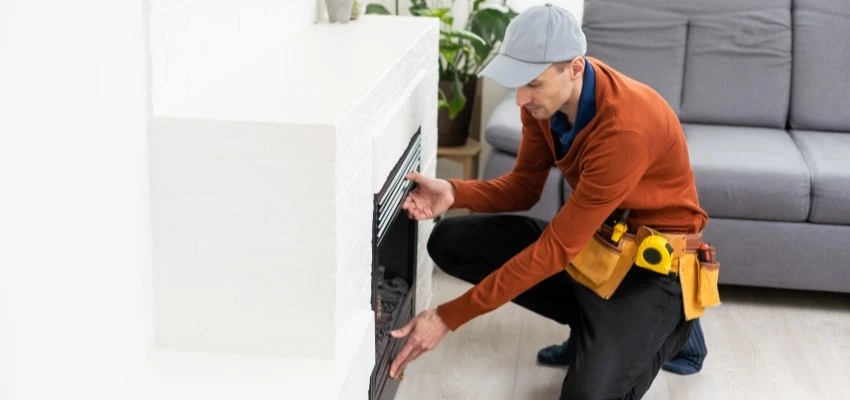
Smoke backing into the room? Call Fireplace Experts in Port Moody
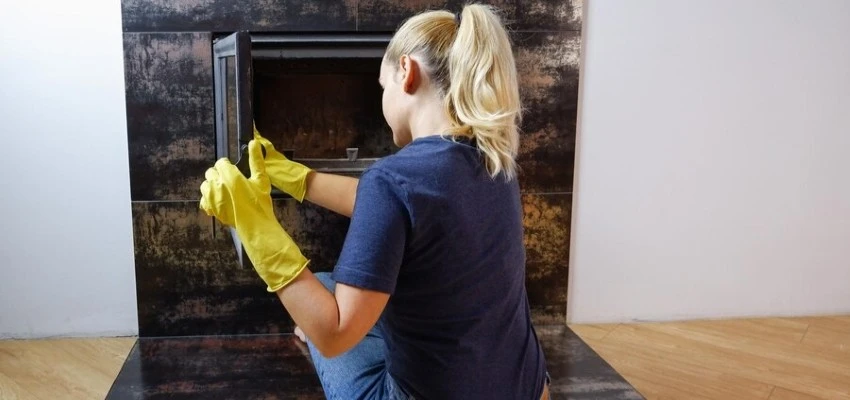
Control area vacuumed during Gas Fireplace Cleaning
A record of every Gas Fireplace Maintenance visit

