
Plain options, no pressure
Fill in the form below with your contact details and a short note, and we will prepare a quote for HearthStone Fireplace Repair Port Moody

Repairing one of these stoves is closer to masonry than to appliance repair, because the stone panels, the cast iron frame, and the gaskets between them all move a little with every heating cycle. Chimney Sweep Port Moody carries that mindset into each fireplace repair on a HearthStone, and the sections below cover what wears, what you can clean yourself, and when a stove has gone past saving.
Six parts account for nearly every wood stove repair we do on this brand, and all six are listed by the maker against the four-digit model number, so a correct part is a matter of reading the plate. Here is what each one does and how it fails.
Gasket kit - one kit per model covers the door, glass, ash door, and top seams; the rope flattens with heat cycles and the stove starts drawing air it should not.
Ceramic baffle or baffle board - the panel above the fire that holds heat in the firebox; it sags or breaks between the air tubes and lets the flame run straight up the flue.
Secondary air tubes - held by a lock bracket and a cotter pin; a tube that warps or drops ends the clean secondary burn and leaves the glass black.
Rear refractory - the back panel inside the firebox that shields the stove body; it cracks from log impact and is replaced as a slab.
Door glass assembly - supplied with its gasket already fitted, so a cracked pane is swapped as a unit rather than re-glazed on site.
Replacement stones - individual soapstone panels still sold for many older models, which turns a cracked side into a repair.
Photograph the plate and the damaged part side by side before you call, and we will quote the exact kit for your model rather than a generic equivalent.

Soapstone can be cleaned by the owner with a damp cloth and a little mild soap once the stove is cold. Nothing acidic or abrasive should ever touch it, because the surface marks easily and cannot be repainted the way steel can. Light scuffs can usually be rubbed out with a very fine abrasive pad; anything deeper is worth asking us about before you try. The cast iron frame around the stones takes a high-temperature stove paint touch-up where it has dulled, applied thinly and kept off the stone.
The ceramic glass clears best with a damp cloth dipped in cold wood ash, which lifts the haze without scratching. The air wash that keeps the glass clean only works when the door gasket holds and the stove is run hot enough once a day. Owners around Port Moody who burn low all week for the stone's slow heat should expect to wipe the glass more often, which is normal and not a fault.
Older models such as the HearthStone I and II were offered with a catalytic combustor, an internal rope gasket at the base of the baffle, and furnace cement packed behind the baffle plate. Repairs on them are a different trade from repairs on today's stoves. The combustor is inspected for plugging and crumbling, the internal gasket is replaced if a previous cleaning pulled it out, and the cement is renewed where it has turned to powder.
Current models burn clean through secondary combustion instead: a row of air tubes above the fire, a ceramic baffle, and a brick or refractory-lined firebox, in soapstone, cast iron, or hybrid versions that use both. Their repairs are the parts listed above. Tell us which generation you own, or send the plate, and the technician arrives with the right kit instead of the wrong one.

A HearthStone stove with one or two cracked side stones, a sound cast iron frame, and a top that sits flat is worth repairing, and the maker's replacement stones and gasket kit bring it back to original. The repair is a careful disassembly, new stones set and sealed, fresh gasket in every seam, and a slow break-in fire. With that done and the stove lit gently after cold spells, the rebuilt stove goes on for many more winters.
The other case is the stove that has been run far too hot for too long. Every stone cracked, the top heaved up out of its frame, and a crack through the cast iron base together mean the frame has moved, and new stones would crack again in it. We say so plainly when we see it, and we put the repair cost next to a replacement so you can decide without pressure from us either way.
Stone and gasket repairs are best done in late summer, when the stove is cold enough to take apart and there is time for a slow break-in burn before you rely on it. The first visit is an inspection with a bright light along every seam, a gasket test at every door, a look at the baffle and tubes, and a written list of what is worn. Each technician we send is licensed and insured, and most fireplace repair visits on these stoves finish in one trip once the parts are in hand.
Homeowners in Port Moody can reach us at (778) 719-4866. Those who prefer to write can contact us with the plate photo and a picture of the worn part, and Chimney Sweep Port Moody will send back a parts quote and the first open date.
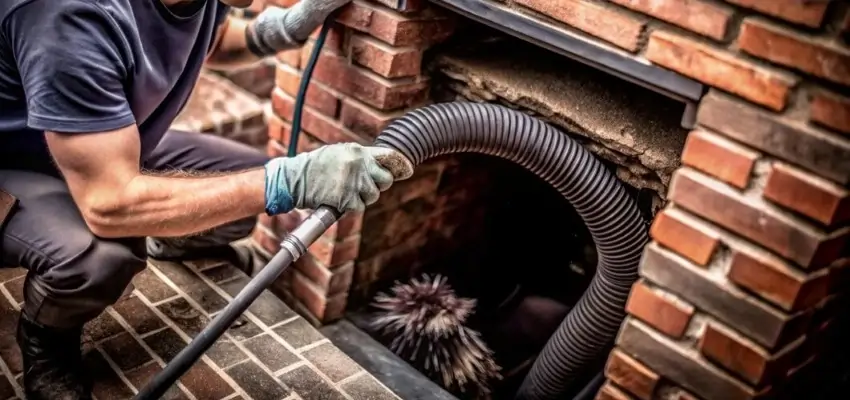
Clearer draft, cleaner flue: Chimney Cleaning for Port Moody homes
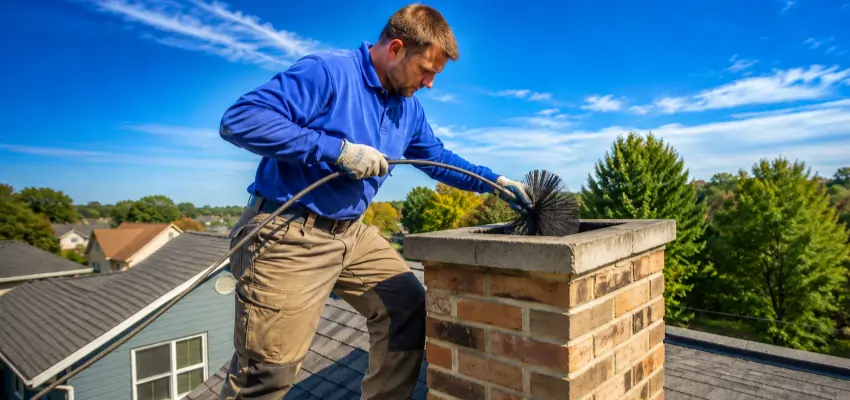
Due for Chimney Sweep service? Book ahead in Port Moody
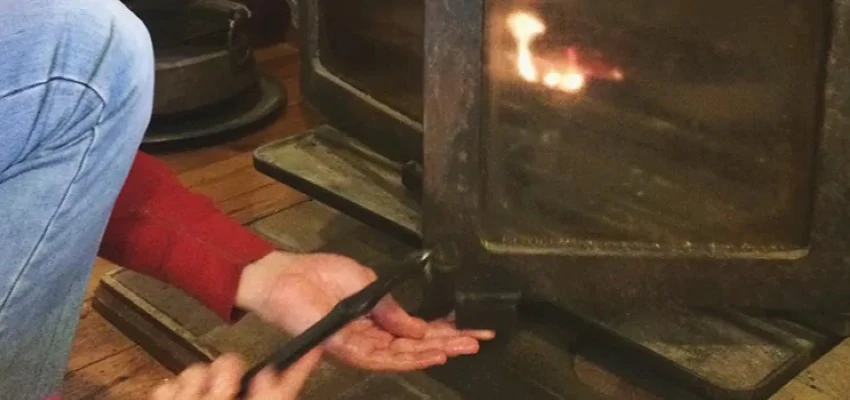
Complete Chimney Sweep Services for Port Moody homeowners
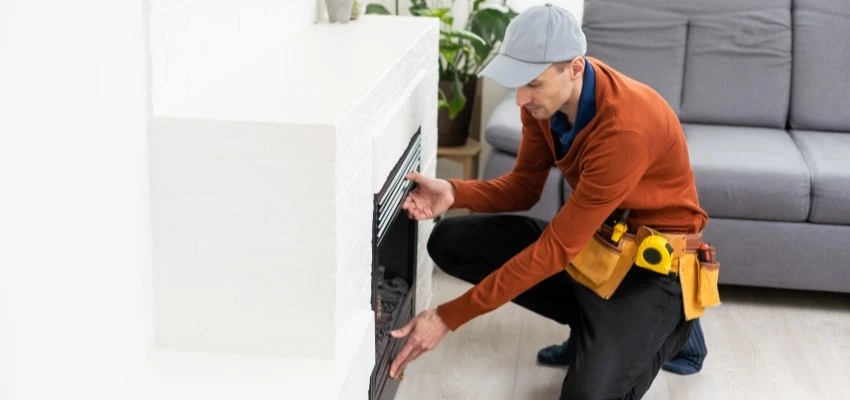
Smoke backing into the room? Call Fireplace Experts in Port Moody
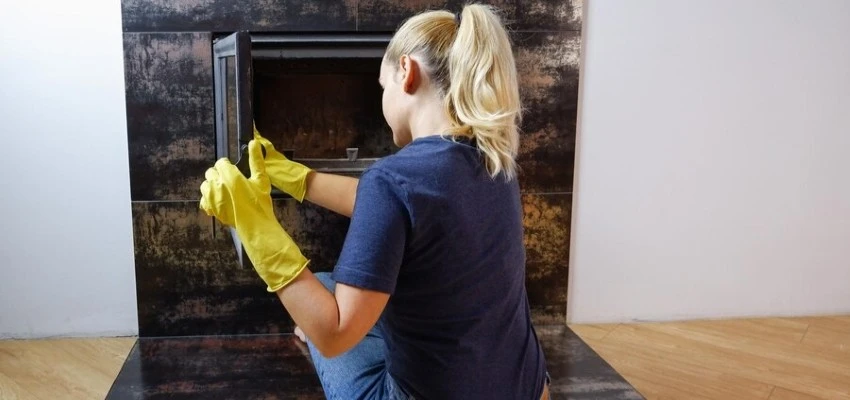
Control area vacuumed during Gas Fireplace Cleaning
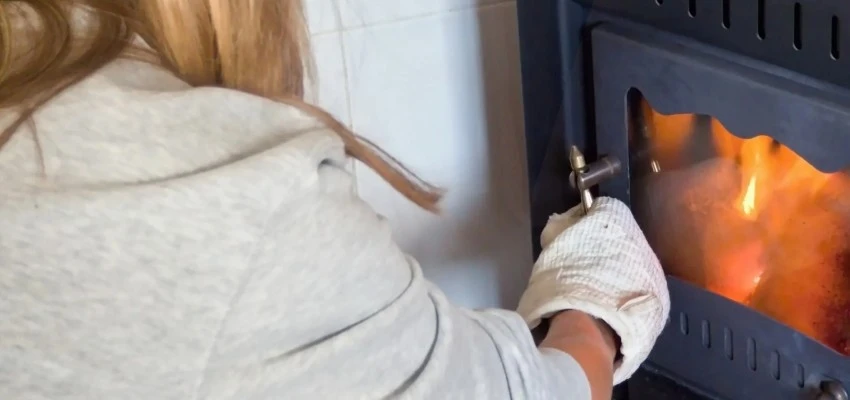
A record of every Gas Fireplace Maintenance visit

