
Fill in the form below with your contact details and a short note, and we will prepare a quote for Industrial Chimney Services Port Moody
Heating season has a way of arriving all at once, and so do the calls to chimney companies. Reading up early, as you are doing by searching “industrial chimney services”, gives you time to plan instead of scramble. Here are clear, practical answers about industrial chimney maintenance for properties around Port Moody, each one short enough to read before you pick up the phone and specific enough to be useful once you do.

Signs of a chimney fire include a loud roaring or popping sound, dense smoke, a strong hot smell and sparks or flames from the top of the chimney, but many chimney fires burn quietly and are only discovered later. Afterward you might notice puffy, honeycomb-like flakes of creosote on the roof or ground, a warped damper or cap, cracked flue tiles or discolored metal. If you think a fire is happening, get everyone outside and call the fire department. If you suspect one happened in the past, stop using the fireplace or stove until the chimney has been inspected.
The clearest sign a chimney needs sweeping is black, flaky buildup you can see on the damper or falling into the firebox. Other clues often show up alongside it:
Any one of these is worth a check. Two or three together usually mean the flue is overdue.
On our visits the flue, smoke chamber, damper and firebox all get cleaned, working along the path of the smoke from the hearth up to the cap. We protect the floor and nearby furniture, seal the opening around our vacuum hose so dust stays contained, then work the flue with rods and a brush matched to the liner: stiff wire for clay tile, softer poly for stainless steel. The smoke chamber above the damper gets hand tools, because creosote clings to its sloped walls. Before and after, we look at the flue condition, often with a camera. At Chimney Sweep Port Moody, the visit ends with a short walkthrough of what came out, how heavy it was and anything we would keep an eye on.
Tall stacks are inspected from the ground, the top and sometimes the inside, depending on their height and design. Ground surveys with binoculars and cameras look for cracking, leaning or loose material. Access to the top may involve lifts, scaffolding or rope access, and some providers use drones for a first look. Inside, cameras lowered from the top or entered through a cleanout door show the condition of the lining. Findings are usually documented with photos and measurements so they can be compared at the next visit. Ask any industrial chimney maintenance provider which of these methods it uses and what it subcontracts.
Preparing for a chimney visit mostly means letting the fireplace or stove cool and clearing space around it. Skip fires for at least a day beforehand so the ashes and flue are cold. Move furniture, rugs, screens and decorations a few feet back from the hearth, and take fragile items off the mantel. Outside, make sure the technician can reach the roof: unlock gates, move vehicles away from the walls where a ladder may go and keep pets indoors. Note anything unusual you have noticed, such as smells, sounds or smoke, and have the date of the last cleaning handy if you know it.

The equipment the chimney serves must be shut down, isolated and allowed to cool, and the site’s own safety rules have to be agreed in advance. That usually means a planning meeting covering shutdown timing, lockout procedures, access routes, work zones on the ground and who has authority to stop the job. Weather limits for work at height should be set too. Your safety officer may require orientation for the crew. Choosing a provider of “industrial chimney services” that asks about these details unprompted is a good sign it has worked on similar sites.
Commercial chimney work is usually scheduled before opening, after closing or during a quieter season, so customers, guests and tenants are disturbed as little as possible. Ovens and fireplaces need to be out and cool beforehand, which for a busy kitchen often means booking the morning after a closed day. Arrange roof access, keys and parking for the service vehicle ahead of time, and let staff or residents know when someone will be on the roof. Buildings with many flues can often be done in stages over several visits. Agree on the order of work and a contact person on site before anything begins.
When we find damage, our job is to show it, explain it and let you decide, and you should expect the same from anyone. We take photos or footage, point out the exact spot and describe what happens if it is left alone. Some findings, such as a flue tile cracked by heat, mean the appliance should not be used until it is repaired. Others, like light flaking on a brick face, can be monitored for a season. We price each item separately in writing so nothing is bundled vaguely. If you want time to think or another opinion, that is completely reasonable.
Commercial clients are well served by a provider that treats documentation and communication as part of the job, not an extra. In our experience, managers want a predictable schedule, one contact person, dated reports with photos and a clear list of recommendations they can take to an owner or board. Technical fit matters too: a crew that sweeps house chimneys all day may not have the rotary tools, roof gear or experience for a busy pizza oven or a tall boiler stack. Ask about similar sites the company looks after and how it handles a job that runs longer than planned.

The weeks before heavy use are the calmest time to deal with your chimney. Appointments are easier to find and any repair can be planned without pressure. Book industrial chimney maintenance in Port Moody while your calendar still has room.
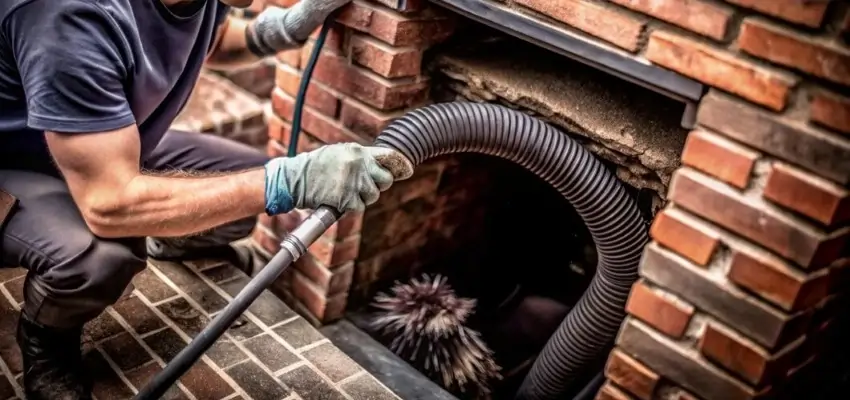
Clearer draft, cleaner flue: Chimney Cleaning for Port Moody homes

Due for Chimney Sweep service? Book ahead in Port Moody
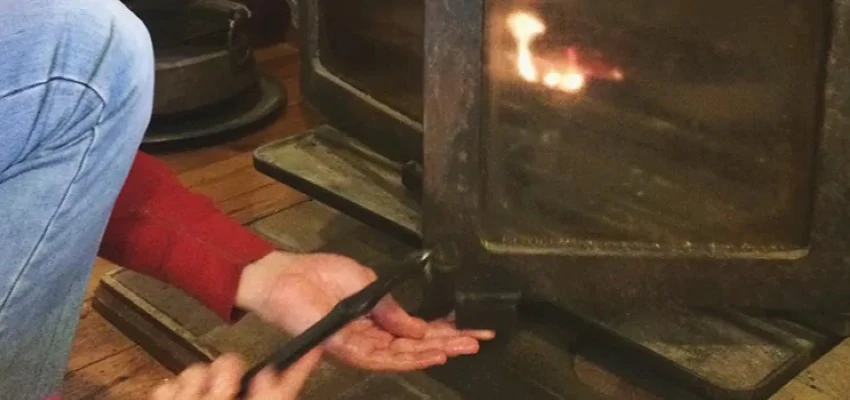
Complete Chimney Sweep Services for Port Moody homeowners
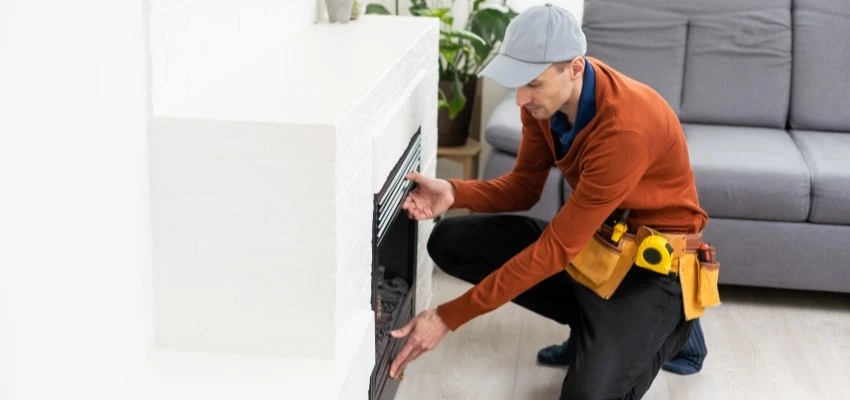
Smoke backing into the room? Call Fireplace Experts in Port Moody
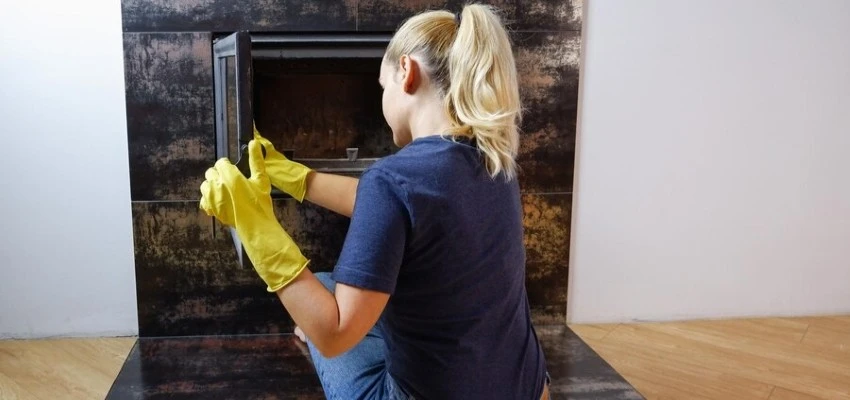
Control area vacuumed during Gas Fireplace Cleaning
A record of every Gas Fireplace Maintenance visit

