
Fill in the form below with your contact details and a short note, and we will prepare a quote for Insulated Ductwork Services Port Moody
You do not need to become a building expert to make a sound decision about your attic. For homeowners in Port Moody who searched for “insulated ductwork services”, a simple comparison tells you a lot: on the hottest and coldest days of the year, note how the top floor feels against the main floor with the thermostat at its usual setting. A gap that keeps growing, or one room that never catches up, often points to thin or uneven insulation overhead, a clue worth mentioning when you ask about duct insulation.

Uninsulated ducts carry your conditioned air straight through what is essentially an outdoor climate on top of the house, and the air changes temperature on the way. Put a thermometer at a register fed by a bare attic duct and the air is often noticeably warmer in cooling season than it should be, and the room shows it. The same thing happens in reverse in winter. We also find water stains on ceilings under ducts that sweat on muggy days. Wrapping the ducts, or replacing them with insulated ones after the seams are sealed, keeps the energy you pay for inside the pipe until it reaches the room.
Usually not, because heat that escapes there stays inside the home anyway. The ducts that matter most are the ones running through unconditioned spaces: attics, crawlspaces, garages and unheated basements. Exceptions include ducts in exterior walls, and supply ducts that sweat in humid weather even indoors, which may need wrapping to keep water off ceilings. Sealing leaky joints helps everywhere. When you request “insulated ductwork services”, ask the company to identify which runs pass through unconditioned areas so the work and the quote focus there.
The clearest sign is a room that never reaches the temperature of the rest of the house, especially one at the end of a long duct run through the attic. Other signs include weak or lukewarm air from certain registers, water stains on ceilings below ducts in humid weather and ducts that feel hot or cold through their covering. In the attic, look for bare metal, torn or slipping insulation wrap and flexible ducts that are crushed or disconnected. Sweating ducts usually mean cold air inside is meeting humid attic air without enough insulation or through a damaged outer jacket.
Attic ductwork is usually insulated by sealing the joints and then wrapping the ducts with insulation that has a moisture-resistant outer jacket, or by replacing worn flexible ducts with new, insulated ones. Sealing comes first, using duct mastic or foil tape made for ducts rather than cloth duct tape, so the insulation covers a tight system. Seams in the wrap are taped closed to stop humid air reaching the cold metal. Many existing ducts can be wrapped where they sit, while crushed, torn or badly leaking flexible ducts are often simpler to replace. Ask which approach suits your system and why.
Seal first whenever the attic allows it, because insulation is a filter, not a wall. Air pushes straight through loose fill and batts, taking warmth and humidity with it. The leaks we chase are predictable: gaps where interior walls meet the ceiling, holes drilled for wires and pipes, open soffits above kitchen cabinets, the hatch frame and older ceiling light housings. Foam and caulk close most of them in a few hours. Once they are buried under fresh insulation, they are much harder to reach, which is why sealing belongs at the start of the job rather than as an afterthought.

Most duct jobs fit into one working day, and the attic decides where in that range yours lands. Sealing and wrapping a few straight trunks within reach of the hatch moves quickly. Crawling to runs tucked under a shallow roof edge, replacing collapsed flex ducts or adding hangers to sagging sections takes longer. Expect the system to be off during part of the visit, so choosing a mild day keeps the house comfortable. Before packing up, the crew turns everything back on and checks the registers that prompted the call in the first place.
The most useful prep happens around the attic hatch. Crews need a clear path from the door to the opening, room to set up a ladder and space to drape plastic over nearby floors and furniture. If the hatch is inside a closet, emptying it saves time and keeps your clothes free of dust. Up in the attic, anything stored on the floor has to come out or be stacked on a raised platform, because insulation cannot go under it. Outside, leaving a parking spot near the door shortens the hose run. Pets are happier in a closed room while the crew moves in and out.
Plan for the heating and cooling to be off for part of the visit, so pick a day when that is comfortable. Clear the path to the attic hatch and to the furnace or air handler, and make sure registers in each room can be reached, since the crew may check airflow before and after. Move stored items in the attic away from duct runs. If some rooms have always been hard to heat or cool, list them; those runs often get extra attention. Keep pets away from the hatch area while the duct insulation work is underway.
Insulated attic ducts mostly need to be left alone and checked now and then. Ask anyone who works in the attic, such as a cable installer or roofer, not to step on, crush or pull at the ducts. Every year or two, look from the hatch for torn jackets, sagging runs, disconnected joints or water stains, especially after very hot, humid spells. Inside, notice whether any room starts falling behind the others, which can point to a problem in its run. Replace air filters on schedule so the system is not straining. Small tears in the jacket can be taped before moisture gets in.

We would rather explain one thing clearly than list ten things you do not need. Ask us what matters for your home in Port Moody and we will give you a straight reply. Get in touch with Chimney Sweep Port Moody whenever you are ready.
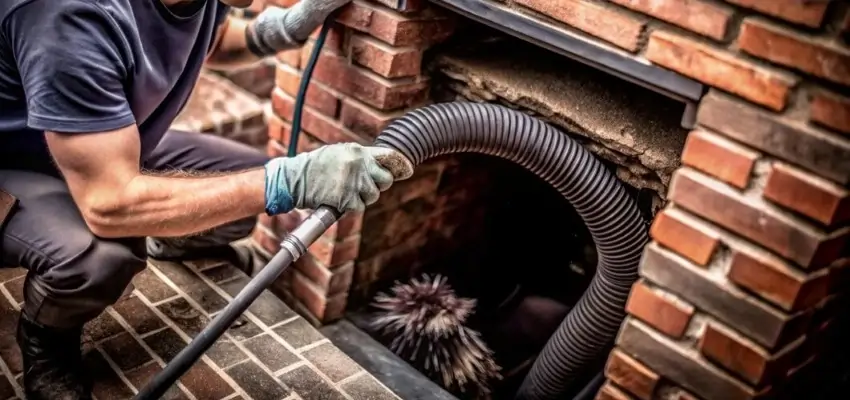
Clearer draft, cleaner flue: Chimney Cleaning for Port Moody homes

Due for Chimney Sweep service? Book ahead in Port Moody
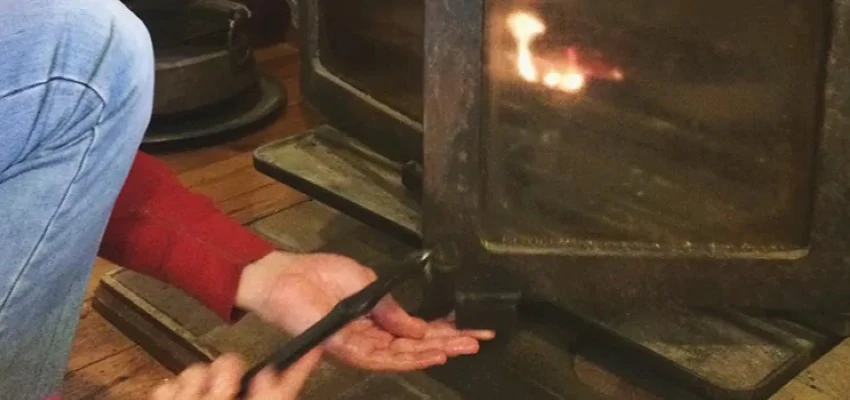
Complete Chimney Sweep Services for Port Moody homeowners

Smoke backing into the room? Call Fireplace Experts in Port Moody
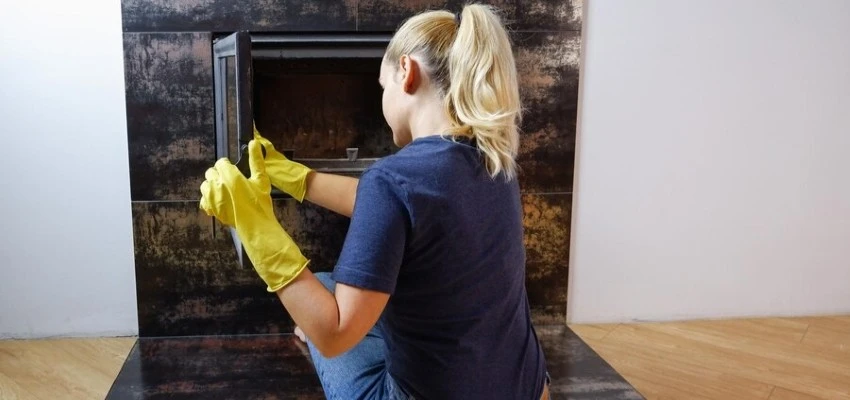
Control area vacuumed during Gas Fireplace Cleaning
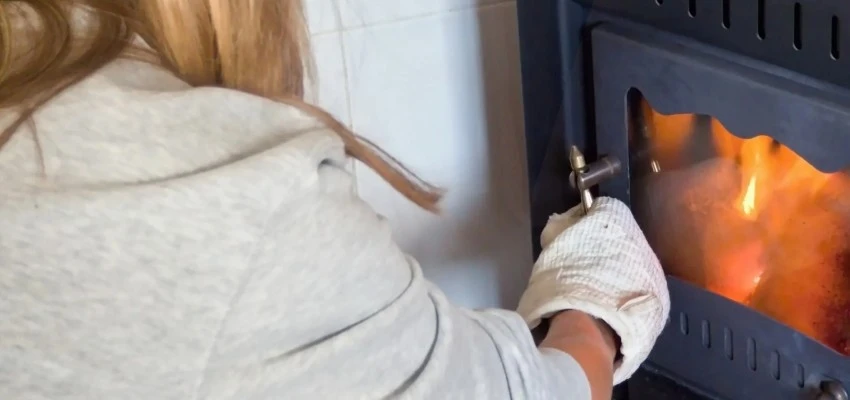
A record of every Gas Fireplace Maintenance visit

