
Every repair leak-checked
Fill in the form below with your contact details and a short note, and we will prepare a quote for Majestic Gas Fireplace Repair Port Moody

Current Majestic gas units light on IntelliFire Touch and can be controlled from an app, while older ones in many homes still run on standing pilot millivolt valves. A licensed gas technician from Chimney Sweep Port Moody sorts out both the vent path and the ignition generation before any part is condemned, and that diagnosis is what this page is about. Glass, liners, fronts, and fan kits are on the appliance page.
The brand sells a fan-powered venting accessory that lets a Meridian or similar unit sit on an interior wall, with slim pipe running up, down, over, or under to reach an outside wall. That freedom comes with conditions. The vent fan has to run and a pressure switch has to prove it before the valve will open. A power-vented fireplace therefore stays dark during an outage, and it goes dark if the switch tubing cracks or the fan bearings seize.
A conventional direct-vent unit has no fan, so its faults are the termination and the pipe. A cap behind a deck, a shrub grown over a low wall cap, or a joint that slipped apart above the ceiling all disturb the flame long before they are spotted outside. We trace the whole run on either type, and on a power vent we listen to the fan, read the switch, and check the wiring to the module. If a carbon monoxide alarm ever sounds while the fire runs, switch the unit off, air the room, and call us from outside it.
Older gas fireplaces from this maker were commonly built around SIT millivolt valves, the same family of valve used on several other hearth brands, with a standing pilot, a thermocouple, and a thermopile. Their repairs are classic: clean the pilot, read the thermopile under load, replace the valve only when the readings prove it sticks. They run without household power, which many owners value.
Current units light on IntelliFire Touch, an intermittent pilot system with a touchscreen remote, a wireless wall switch, optional app control through a Wi-Fi module, and battery backup. Their pilot assemblies and burner orifices are shared with sister brands built in the same group, which keeps parts easy to source. Repairs start at the electrical side: batteries, pairing, the flame sensing rod, and the module, with the valve last. The rating plate behind the lower front tells us which generation is in the wall.

The gas complaints we take on these fireplaces sort by vent type and ignition generation, and the usual cause sits next to each.
Fire will not start but the app shows it on - the Wi-Fi module is talking but the IntelliFire module locked out after a failed pilot attempt.
Power-vented unit clicks, then stops - the pressure switch never proved, from a seized fan, a cracked sensing tube, or a blocked termination.
Standing pilot goes out overnight - a thermocouple tip outside the flame or coated with carbon, or a draft across the pilot from a loose glass frame.
Split logs sooting at the tips - logs set back off their pins after a cleaning, so flame strikes them where it was never meant to.
Flame lazy and orange after a storm - snow or debris across a wall termination starving the sealed firebox of air.
Gas odour with the unit off - shut the supply valve, get everyone out of the room, and call; fittings are tested with solution, never by lighting the fire.

Every gas visit on one of these units runs in the same order. First the vent: on a power vent, fan and switch; on a direct vent, termination and visible pipe. Then the ignition for its generation, either thermocouple and thermopile readings or batteries, pairing, rod, and module. Supply and burner pressure come next, read at the valve's test ports with a manometer and compared with the figures on the plate for natural gas or propane.
Only then is the burner judged. The split logs go back on their locating pins, the ports are cleared, and the flame is watched with the glass on. A Meridian's flame is meant to swirl around its logs, and it only does so when the logs sit where the factory put them. Every joint we opened is tested with leak solution before we leave. With the vent clear, the logs placed, and the pilot cleaned yearly, the valve and burner on a fireplace from this maker rarely need a major part.
Before calling, check whether the fireplace has a fan housing on the vent run, whether there is a touchscreen remote or a plain wall switch, and whether the pilot lights. Those three answers tell us the vent type and the ignition generation, so the right fan parts, pilot assembly, or module come along on the first trip. Chimney Sweep Port Moody carries the gas licence and insurance this work requires, and most gas fireplace repair calls on these units finish in a single visit.
Call (778) 719-4866 to book, or send the rating plate photo when you contact us online. Either way, Majestic Gas Fireplace Repair Port Moody is booked with a confirmed time and a list of the likely parts.
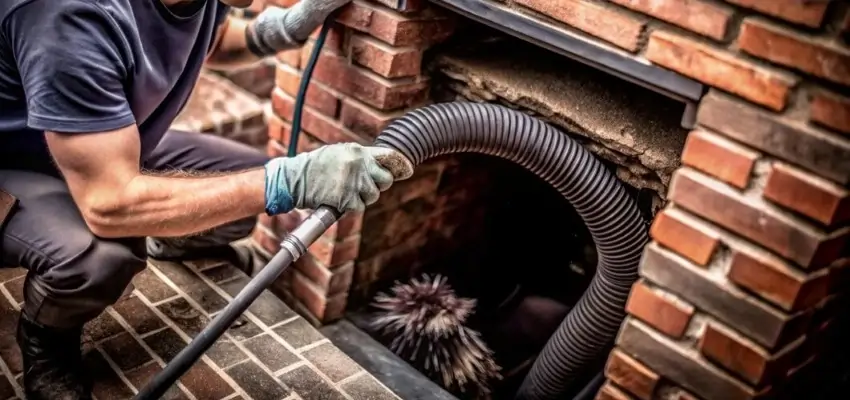
Clearer draft, cleaner flue: Chimney Cleaning for Port Moody homes

Due for Chimney Sweep service? Book ahead in Port Moody
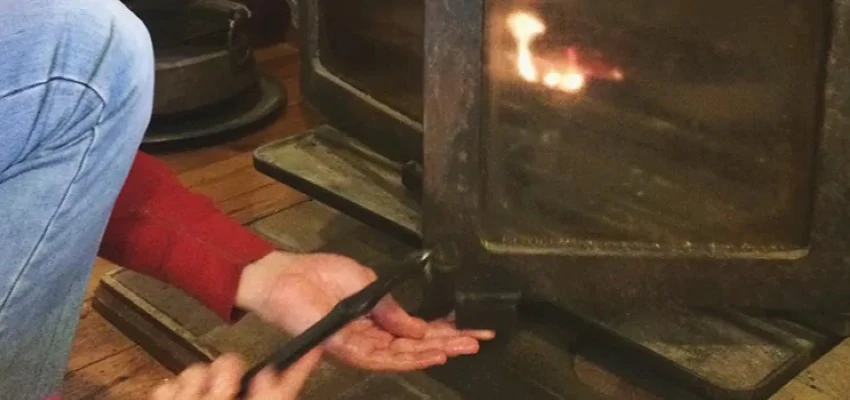
Complete Chimney Sweep Services for Port Moody homeowners
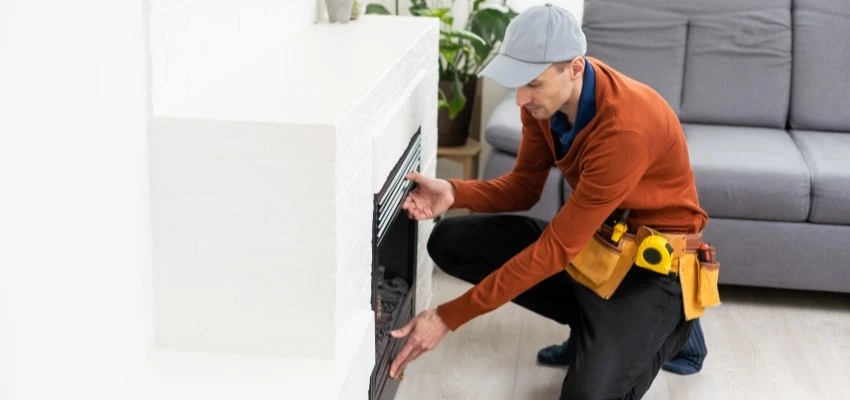
Smoke backing into the room? Call Fireplace Experts in Port Moody
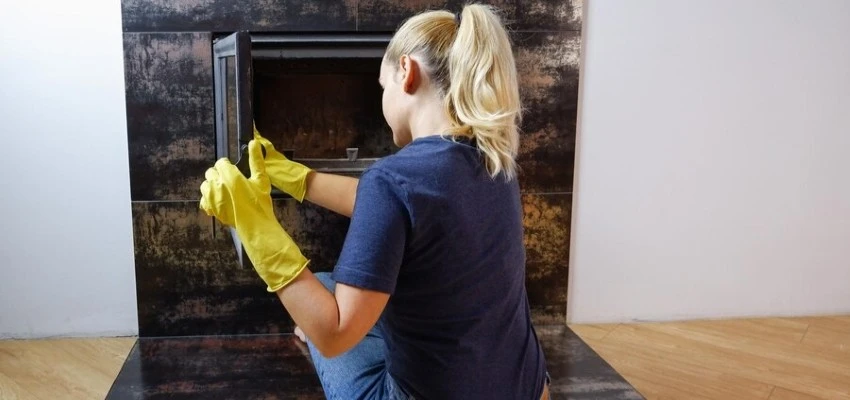
Control area vacuumed during Gas Fireplace Cleaning
A record of every Gas Fireplace Maintenance visit

