
Every repair leak-checked
Fill in the form below with your contact details and a short note, and we will prepare a quote for Napoleon Gas Fireplace Repair Port Moody

Every gas-side call on these fireplaces goes to a licensed gas technician from Chimney Sweep Port Moody, who works on the burner, pilot, valve, controls, and venting. Glass, panels, lights, and blowers sit on the appliance page. Below is how the burner and controls work, how millivolt and electronic models differ, the faults we see, and the parts involved.
Napoleon PHAZER log sets sit over a burner designed to light the ember bed and the underside of the logs so they glow orange, rather than simply sending flame between them. On models such as the Ascent X this is a pan-style burner, and the company's Phazermic burner system appears on other units. Either way, the glow depends on gas leaving the ports where the logs and ember material expect it.
That makes placement a gas issue as well as a looks issue. Ember material spread over a port partly blocks it, which can turn the flame yellow and leave soot on the logs; logs set back off their positions put flame where the ceramic was not meant to take it. Before any pressure is measured, we lay out the logs and embers exactly as the manual shows and run the burner with the glass on. Many apparent gas problems end there.

Several Ascent sizes were sold in two versions: millivolt, with a standing pilot that powers the valve through its thermopile and needs no electricity, and electronic ignition, with an intermittent pilot, a module, a remote, and battery backup. The two look the same from the room, and only the rating plate behind the lower front tells you which you have.
Electronic models add two things worth knowing. Their control can run on a USB power bank in an emergency, which keeps the fire going through an outage once the backup batteries are spent. Many also connect to the eFire app. Repairs on them begin with batteries, pairing, the flame sensor, and the module, while repairs on millivolt units begin with the pilot flame, thermocouple, and thermopile. Luxuria models use the SIT Proflame II system, with its own receiver and handset, and we test that receiver separately from the module.

Below are the complaints that most often bring a Napoleon to our schedule, with the part each one usually points to. Several of them look alike from the sofa, which is why we test rather than guess.
Embers dull and logs sooting - ember material over the ports or logs out of position; a reset usually fixes it, with a burner clean if soot has built up.
Electronic model clicks and gives up - a pilot that will not prove because of a dusty hood, a weak flame, or a coated sensor.
Millivolt pilot lights but the burner never follows - low thermopile output under load, or a broken wall switch wire.
Fire stays dark during an outage - backup batteries exhausted; a power bank at the control's USB port will often bring it back.
Flame rolls or lifts after a fuel change - a conversion kit installed without the pressure set for the new fuel.
A smell of gas when the fireplace is off needs a different response: turn the supply valve off, avoid switches, and call from outside.
Gas parts on these units are matched to the model, the fuel, and the ignition type. A millivolt pilot assembly and an electronic one are different parts even for the same firebox, and natural gas and propane versions differ in orifice and regulator. The module, receiver, and handset on electronic models must match each other as a set, and the Proflame II parts on a Luxuria are not the same as those on an Ascent.
We read the part numbers from the rating plate before ordering anything. On a Napoleon our test sequence then runs from the vent, through ignition and pressures at the valve, to the burner and its media, with every opened joint leak-tested. A yearly cleaning of the pilot assembly keeps both millivolt and electronic models lighting reliably, and a carbon monoxide alarm near the room adds a layer of safety we always recommend.
Before you call, check whether your fireplace has a remote or only a wall switch, whether a pilot flame is visible, and whether the plate says natural gas or propane. Those answers tell us whether to bring millivolt or electronic parts, and whether a Proflame II receiver might be needed. Licensed gas fitters from Chimney Sweep Port Moody do the work, fully insured, and a Napoleon Gas Fireplace Repair Port Moody booking normally wraps up in a single trip, with the pressures we recorded left on a written note for next season.
Dial (778) 719-4866 for gas fireplace repair, or send the plate picture when you contact us. Owners across Port Moody get a confirmed visit and a list of expected parts.
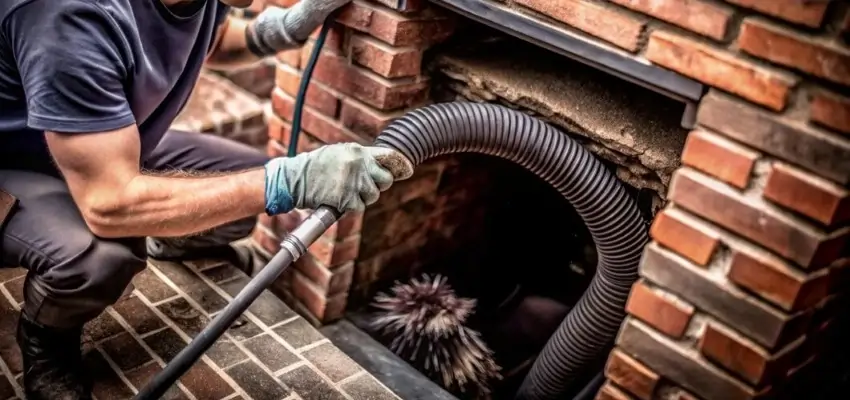
Clearer draft, cleaner flue: Chimney Cleaning for Port Moody homes

Due for Chimney Sweep service? Book ahead in Port Moody
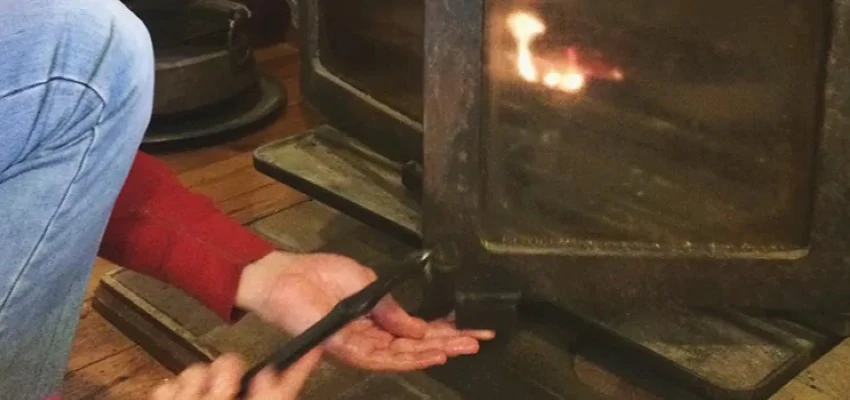
Complete Chimney Sweep Services for Port Moody homeowners
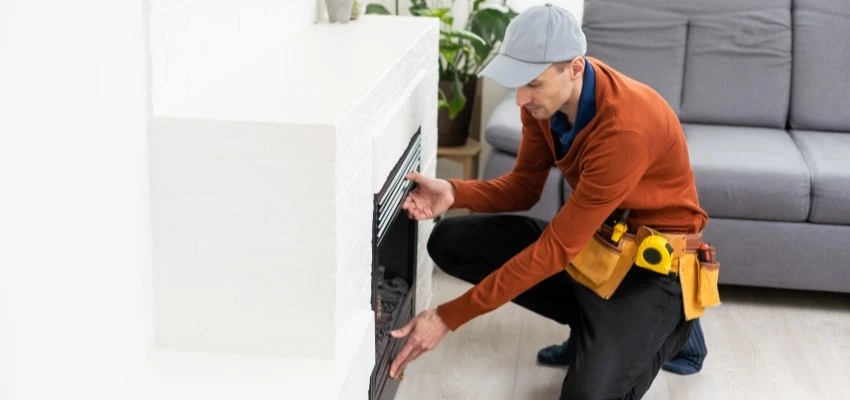
Smoke backing into the room? Call Fireplace Experts in Port Moody
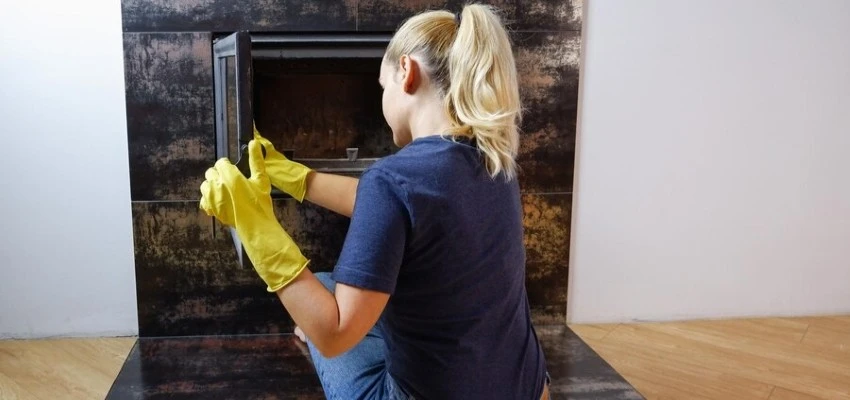
Control area vacuumed during Gas Fireplace Cleaning
A record of every Gas Fireplace Maintenance visit

