
Every repair leak-checked
Fill in the form below with your contact details and a short note, and we will prepare a quote for Pacific Energy Gas Fireplace Repair Port Moody

Gas units from this maker often end up in homes that once burned wood, frequently as an insert in a fireplace that used to take logs. Chimney Sweep Port Moody sends a licensed gas technician for the gas side of these appliances, while glass, logs, and blowers sit with appliance repair. This page explains how the heat exchanger and controls work, what an insert in an old wood chimney needs, the faults we see, and how a visit runs.
The gas collection is built around a large aluminum heat exchanger that wraps the firebox and moves warmth into the room, with a blower pushing air across it on many models. That design is why these units heat well, and it is also why dust matters: lint and pet hair on the exchanger fins insulate them, so the room warms slowly while the firebox runs hot. Cleaning the exchanger passages is part of every gas visit.
Control comes from a one-touch programmable remote, standard across the collection, that can hold a room temperature and run on a schedule. When the fire seems to start and stop on its own, the remote is usually doing its job as a thermostat. Before suspecting the valve, we check the remote's mode, its schedule, its batteries, and its pairing with the receiver.

The Brentwood, the biggest gas insert in the range, slides into an existing fireplace and breathes through a pair of flexible liners. One carries exhaust up the old flue; the other brings outside air down to the burner. Where that flue spent years carrying wood smoke, it should be swept and inspected before any liner goes in, since loose creosote and old cracks do not disappear just because the fuel changed.
On an insert that is already running, the liners get our attention first whenever a pilot flutters out on gusty days or the flame turns soft and yellow. Typical culprits are a liner that has slipped off its collar, a section kinked where it passes the old damper frame, and a termination bent by ice or a falling branch. Because any gas appliance can produce carbon monoxide if its exhaust path fails, keep a tested CO alarm within earshot of the room, and if it ever sounds, shut the insert down and open windows before phoning.

Five complaints cover most of the gas work we do on this brand, and each tends to lead to one particular part.
Room warms slowly though the flame looks normal - dust packed on the heat exchanger fins, or a blower that is no longer pushing air across them.
Fire turns itself off and on - the remote in thermostat or schedule mode, or a receiver with low batteries losing its settings.
Pilot will not stay lit - a dusty pilot hood, a thermocouple tip out of the flame, or a downdraft at a damaged liner cap.
Logs sooting on one side - logs disturbed during cleaning so flame strikes them, or ember material blocking ports.
Flame weak on high after a fuel switch - a conversion done without setting burner pressure for the new fuel.
A gas smell while the unit is off is handled differently: turn the shut-off by the appliance, avoid lights and switches, and ring us once you are outdoors.
We work from the outside in. The termination and liners come first, then the joint where they meet the insert or stove. After that, the controls: what mode the handset is in, the receiver and its cells, and the wires landing on the valve terminals. Then the pilot itself, its shape and colour, and a thermopile reading taken twice, once idle and once with the main burner lit.
Only with all of that confirmed do we connect a manometer and compare supply and burner pressures against the rating plate for natural gas or propane. Logs and embers are then set to the diagram, burner ports cleared, exchanger fins vacuumed, and the flame judged with the front closed. Fittings we loosened get a leak check before the tools go away. Kept on that yearly routine, a gas unit from this maker heats reliably for many seasons.
A little information speeds the visit for owners across Port Moody. Tell us whether you own a freestanding stove, a built-in fireplace, or an insert, whether a pilot flame is visible right now, and what the handset display says. If you can reach the rating label under the lower louver, a picture of it helps us pick the right pilot assembly and receiver. Our gas fitters are licensed, Chimney Sweep Port Moody is insured for the work, and most visits for gas fireplace repair end with the unit back in service and the readings written down for next year.
Phone (778) 719-4866 to set a date, or use the contact us form. We then confirm the Pacific Energy Gas Fireplace Repair Port Moody appointment and list the parts we plan to carry.
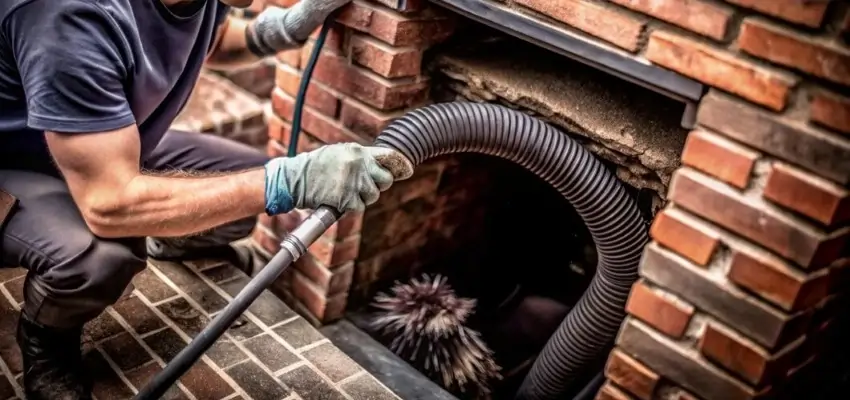
Clearer draft, cleaner flue: Chimney Cleaning for Port Moody homes
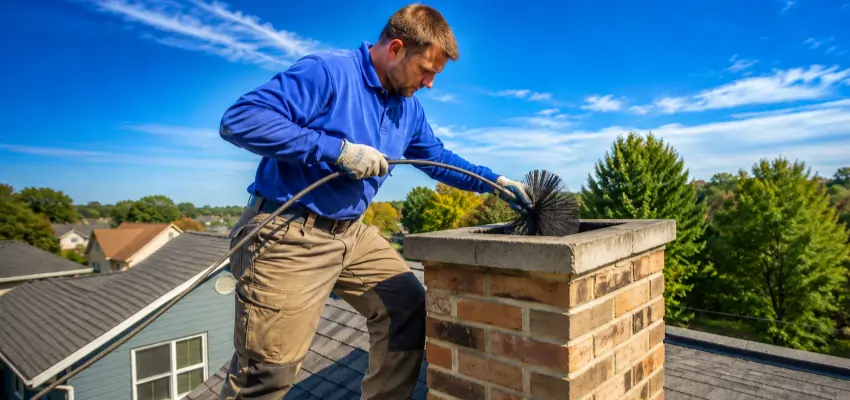
Due for Chimney Sweep service? Book ahead in Port Moody
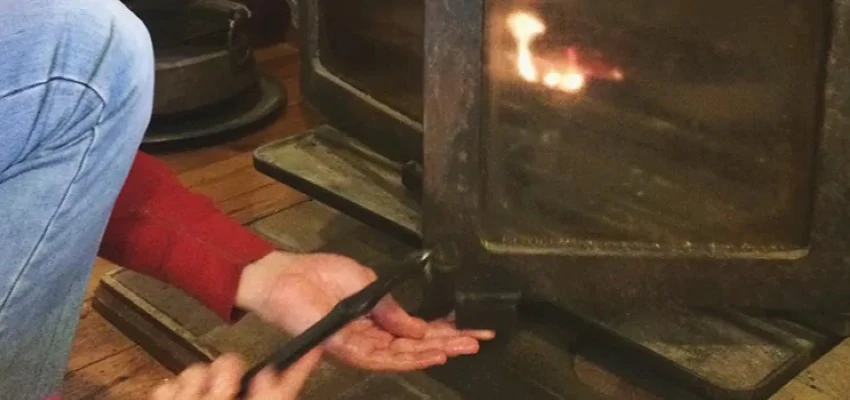
Complete Chimney Sweep Services for Port Moody homeowners
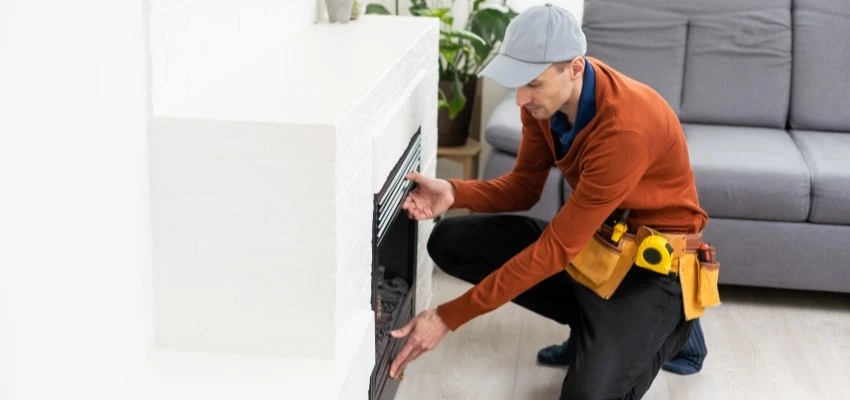
Smoke backing into the room? Call Fireplace Experts in Port Moody
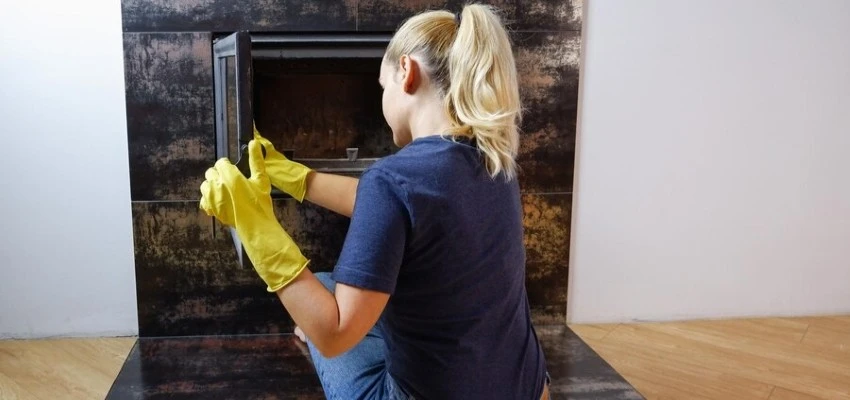
Control area vacuumed during Gas Fireplace Cleaning
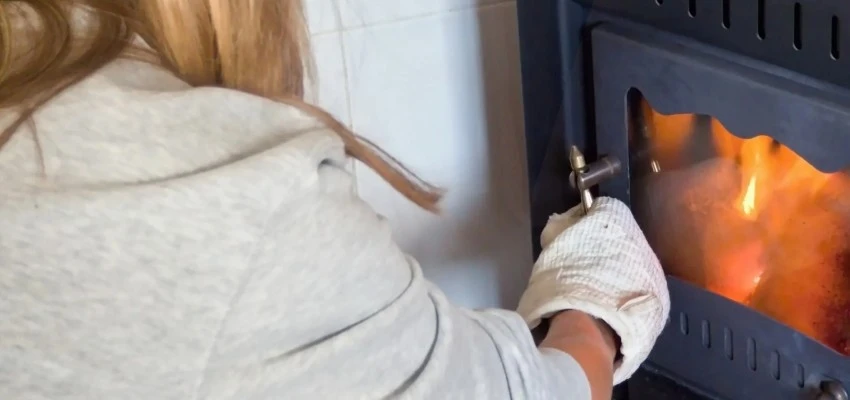
A record of every Gas Fireplace Maintenance visit

