
Fill in the form below with your contact details and a short note, and we will prepare a quote for Wood Stove Repair Port Moody
Some households light a fire every evening all winter; others use theirs a handful of times a year. Both need attention, just on a different schedule. Whatever your routine, if you have been looking up “wood stove repair”, this page explains wood-burning stove repair in a way that fits real homes around Port Moody, from what wears out first to how often a technician should take a look at your wood stove.

A wood-burning fireplace or stove needs regular care because every fire leaves residue behind, and that residue builds up where you cannot see it. Smoke cools as it rises and coats the flue with soot and creosote, which narrows the passage and can catch fire. Heat also slowly wears down mortar, firebrick, door seals and metal parts. Left alone for years, those small changes add up to poor drafts, smoky rooms and costly repairs. A yearly check, plus a sweep when buildup calls for it, keeps the fire drawing well and catches problems while they are still minor. Working smoke and carbon monoxide alarms complete the picture.
A stove that burns too hot or too fast is usually getting more air than it should. The common causes are a worn door or glass gasket, a warped door, a damaged air control, a missing or cracked baffle and gaps in the stove body. A very strong chimney draft can add to the problem. Signs include a fire that roars even with the air turned down, glowing parts and wood disappearing much faster than usual. Running a stove this way can warp parts and overheat nearby materials, so a “wood stove repair” check is worth booking before the next long burn.
A fireplace or stove usually smells when it is not in use because creosote and soot in the flue give off odor, especially in humid weather. Moist summer air reacts with those deposits and makes the smell stronger, and rain coming down an uncapped chimney adds a damp, musty note. The house can make it worse: kitchen and bathroom fans or a running dryer can pull air down the chimney and into the room. A sweep removes most of the source, a cap keeps rain out and a tightly closing damper cuts the downdraft. A sharp, rotten smell is different and can mean an animal in the flue.
The most common wood stove repairs involve parts designed to wear: door and glass gaskets, firebricks, baffles, glass and stovepipe. Gaskets are fiberglass rope seals that flatten over time and let air leak in, so they are replaced in the correct size with a high-heat cement. Cracked firebricks are swapped out, warped baffles or burn tubes are replaced, and broken glass is replaced with heat-rated ceramic glass, never ordinary window glass. Rusted or loose stovepipe is renewed and secured. Some stoves also have a catalytic combustor that wears out with use and needs replacing to keep burning cleanly.
The old rope gasket is pulled out of its channel, and the channel is scraped clean of old cement. A new fiberglass rope of the correct diameter and density is set into a bead of high-temperature gasket cement, pressed into place and trimmed so the ends meet without overlapping. The door is then closed to seat the rope, and the stove is run with small fires at first while the cement cures. A simple test afterward is closing the door on a strip of paper: it should be hard to pull out at several points around the door.

Cleaning a wood stove covers the stove itself, the stovepipe that connects it to the chimney and the chimney flue. The technician typically removes the ash, lifts or takes out the baffle near the top of the firebox so the deposits behind it can be cleared, and brushes or removes the stovepipe sections, where creosote often collects at elbows. The chimney is then brushed from the top or bottom while a vacuum contains the dust. Door and glass gaskets get a quick check, and the glass is cleaned. Everything is reassembled with the joints snug before the next fire.
The schedule depends on how much you burn and how cleanly, more than on the calendar. For a household with occasional fires, a yearly visit usually finds a light layer ready to come out. Someone heating with a stove every day may need cleaning before the season ends, especially if the wood is not fully seasoned. Signs between visits help too: black flakes on the hearth, slower starts and darker glass all suggest buildup is growing. Jot down the date of each sweep along with how heavy the deposits were, and after a season or two the right interval becomes clear.
Brisk, well-fed fires instead of long, smoky smolders are what keep a stove in good shape between cleanings. Low, choked burns all night are the main source of the heavy creosote we remove. Owners who watch a stove thermometer and stay in the recommended range, reload onto a good bed of coals and open the air for a few minutes after each reload end up with much lighter sweeps. Small checks help too: listening for a whistle at the door, which signals a gasket leak, and looking over the pipe joints now and then. Those habits will not replace cleaning, but they make each visit easier.
Ask for evidence and a written scope, and get a second opinion when the work is large, such as a new liner, major masonry or chimney work, or replacing a stove. The first company should provide photos or camera footage, a plain description of the problem and a list of what will be removed, rebuilt or replaced. A clear quote names the materials, explains how the cause of the damage will be addressed and states what is not included. If two companies disagree, ask each to explain its reasoning; the one that can show you the problem usually deserves more weight.

When you call, you speak with people who know the work and can answer practical questions about your wood stove. Reach Chimney Sweep Port Moody at (778) 719-4866 and we will help you decide on the next step for your home in Port Moody.
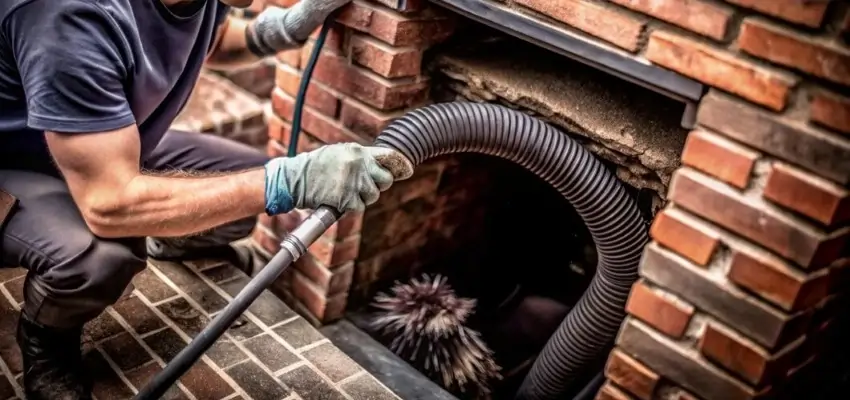
Clearer draft, cleaner flue: Chimney Cleaning for Port Moody homes
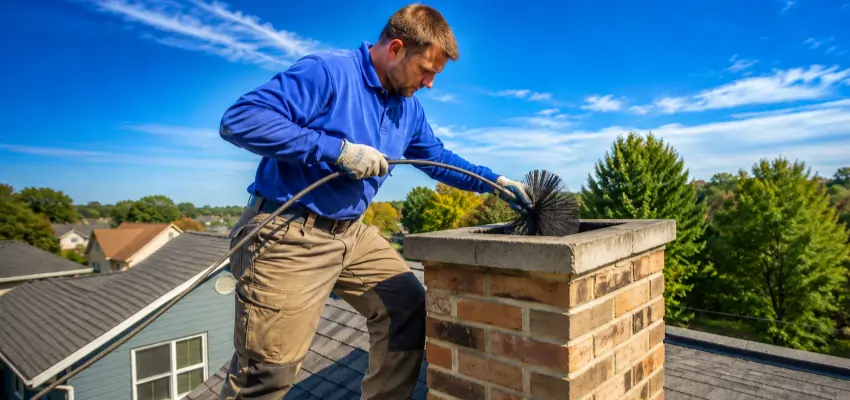
Due for Chimney Sweep service? Book ahead in Port Moody
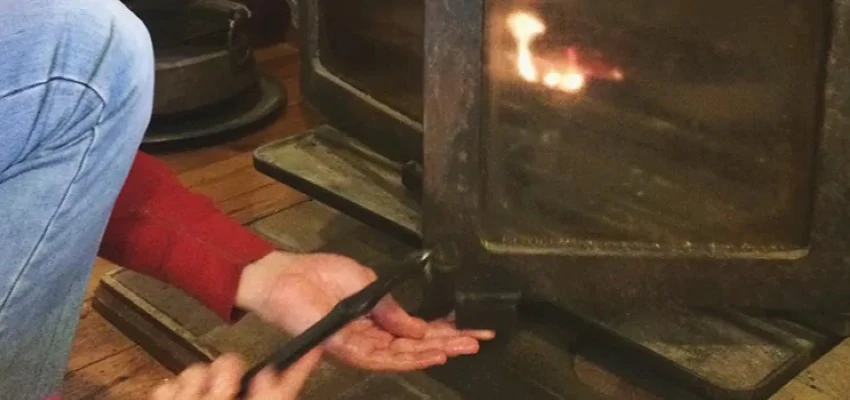
Complete Chimney Sweep Services for Port Moody homeowners
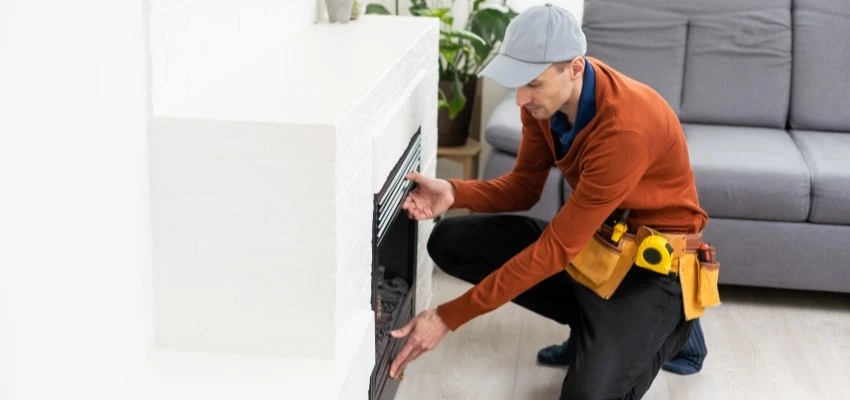
Smoke backing into the room? Call Fireplace Experts in Port Moody
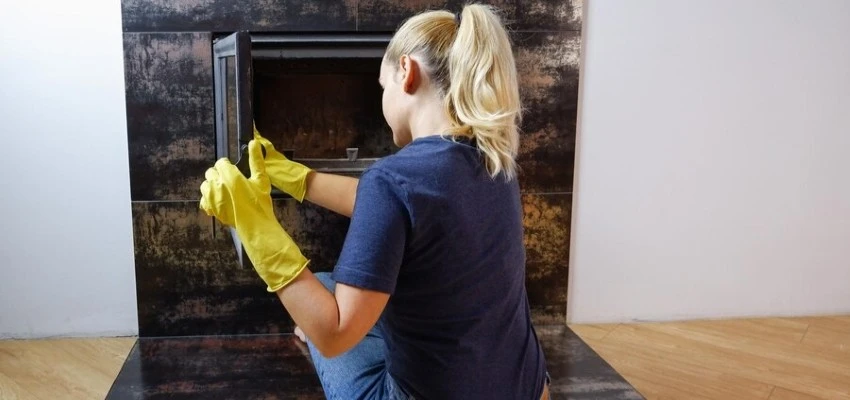
Control area vacuumed during Gas Fireplace Cleaning
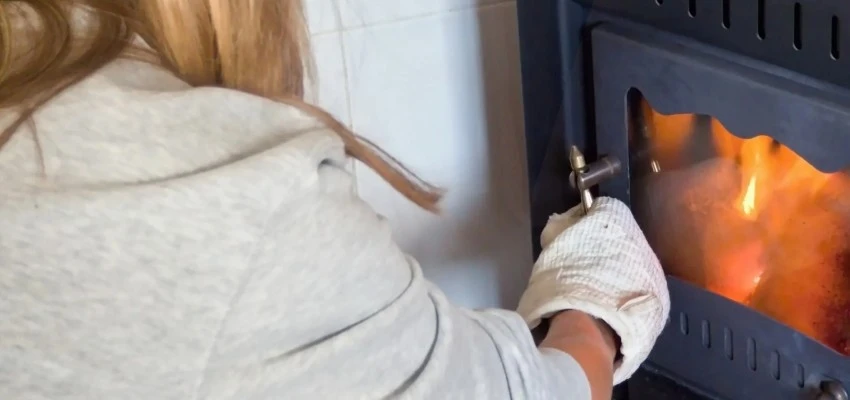
A record of every Gas Fireplace Maintenance visit

